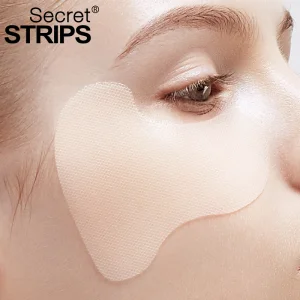
Direct alignment of sustainable cosmetic formulations paired with advanced green containment designs. Transition your brand seamlessly to eco-responsible cosmetic solutions.

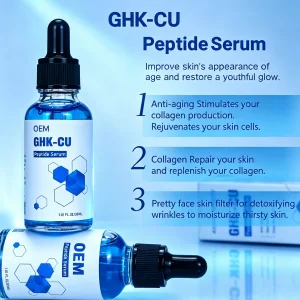
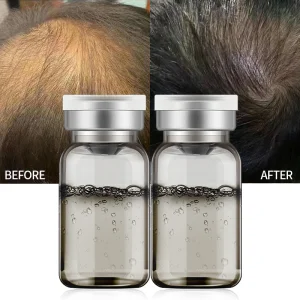
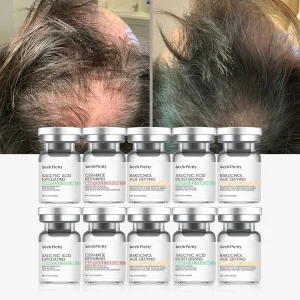
Empathetic analysis of regulatory shifts, material science breakthroughs, and carbon mitigation goals driving multi-national brand sourcing strategies.
As global sustainability mandates tighten, businesses face immense pressure to adapt. The European Union's Packaging and Packaging Waste Regulation (PPWR), California’s SB 54, and evolving Extended Producer Responsibility (EPR) laws are transforming packaging from simple brand containment into a complex compliance strategy. Modern packaging must satisfy rigorous end-of-life criteria, including high Post-Consumer Recycled (PCR) limits, strict monomaterial recyclability requirements, and verification of low carbon emissions.
In this landscape, procurement officers are shifting away from traditional petrochemical polymers. True structural sustainability requires analyzing the entire supply chain. Integrating biological actives, gentle preservative-free formulations, and clean cosmetic liquids demands highly compatible, stable, and protective eco-packaging solutions. The challenge lies in replacing fossil-fuel plastics with biodegradable materials, recycled resins, and refillable systems without compromising formula integrity, aesthetics, or shelf life.
China's manufacturing sector has evolved from a high-volume base into a hub of technological innovation, leading in the production of sustainable materials like sugarcane-based PE, polylactic acid (PLA) composites, and high-purity PCR plastics. By combining raw materials, tooling technologies, and filling operations, Chinese exporters deliver cost-effective eco-packaging that meets the compliance standards of North American and European markets.
Bridging high-tech cosmetic formulation with custom eco-packaging design for global skincare and personal care brands.
Guangdong Miura Beauty Co. Ltd. is a leading OEM, ODM, and OBM cosmetics manufacturer based in Guangdong, China. We combine cosmetics R&D with advanced eco-packaging design, managing everything from active ingredients to sustainable final packaging. We provide global cosmetics brands with a streamlined development process that reduces lead times and carbon emissions.
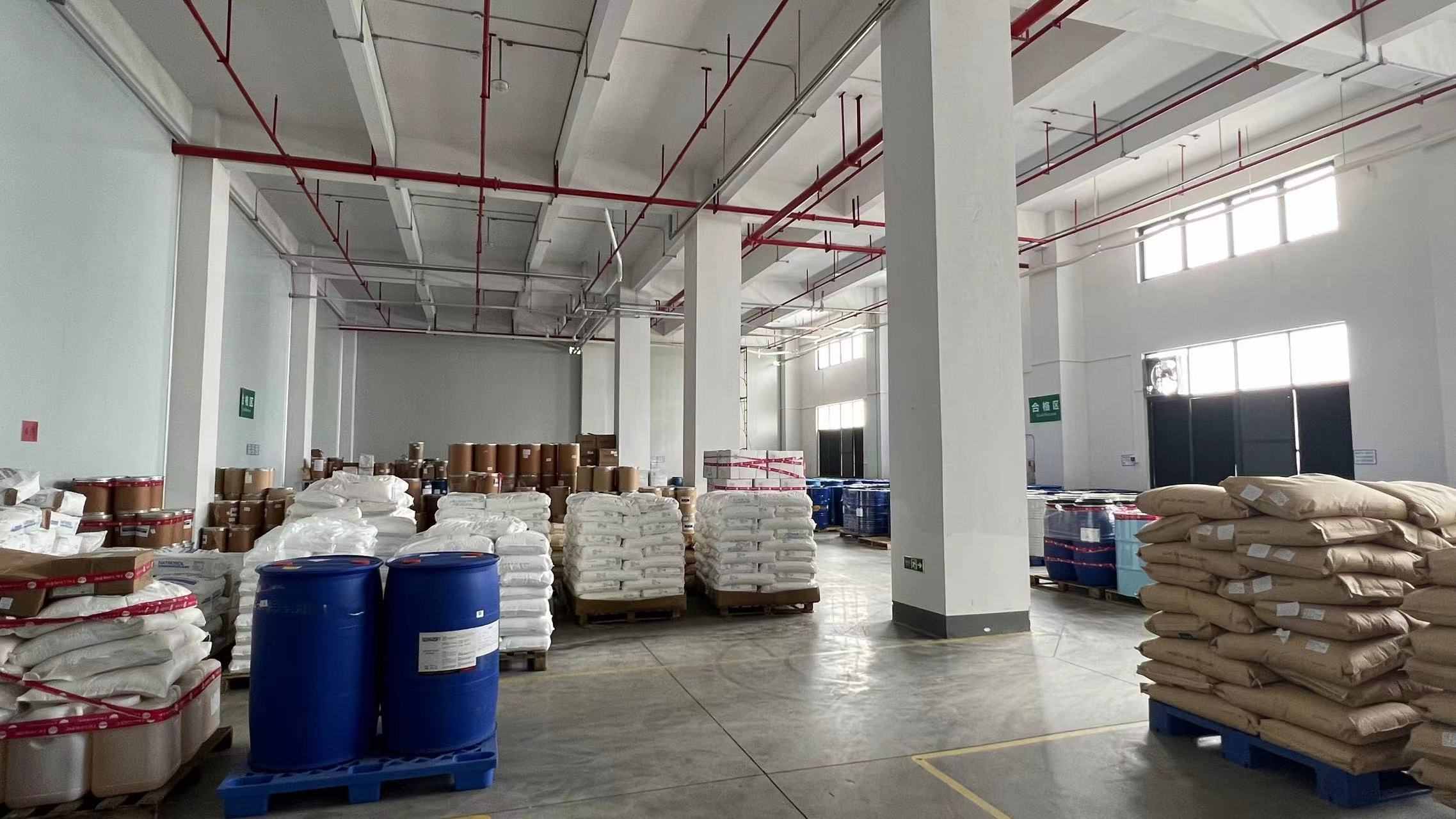
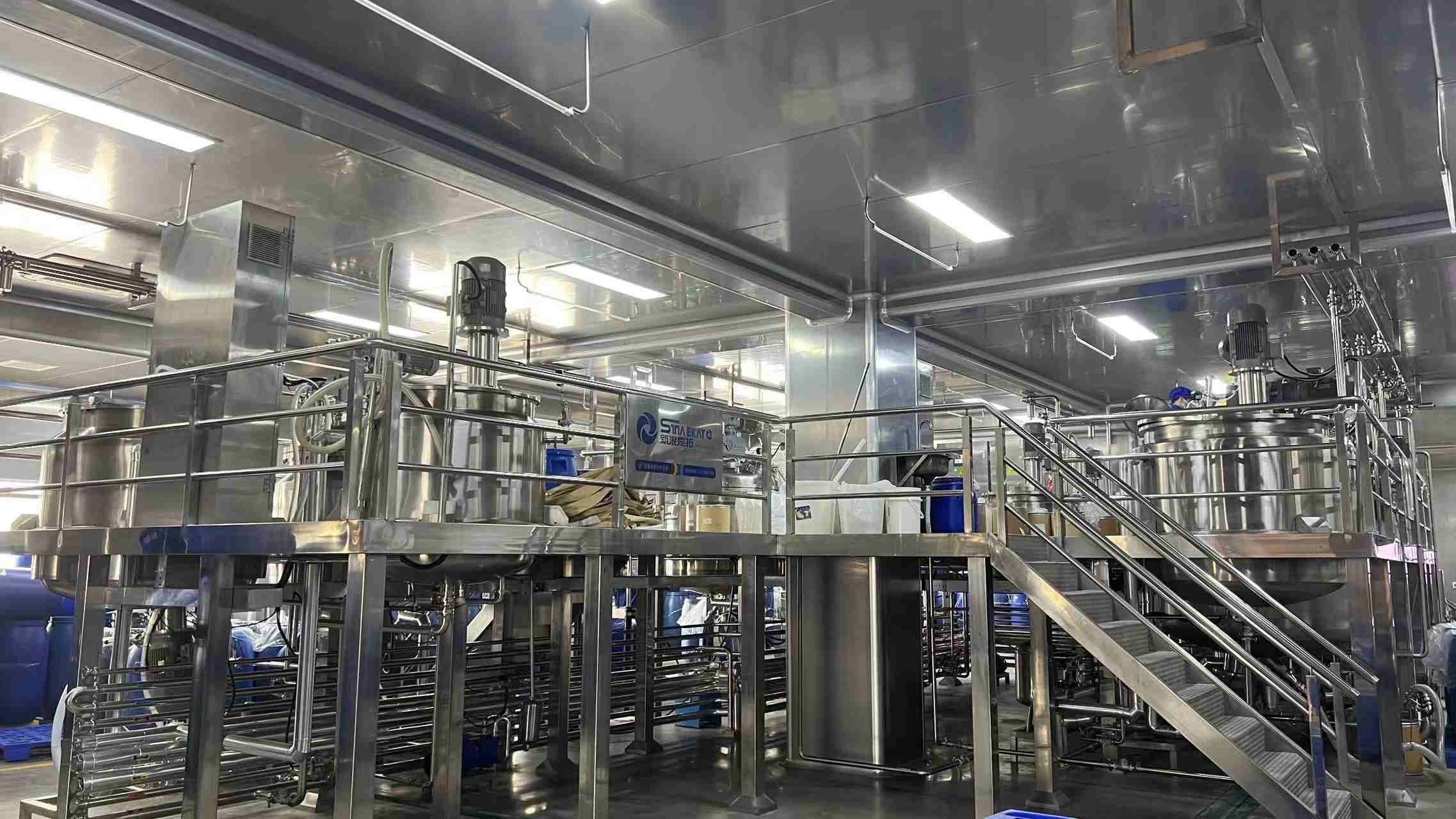
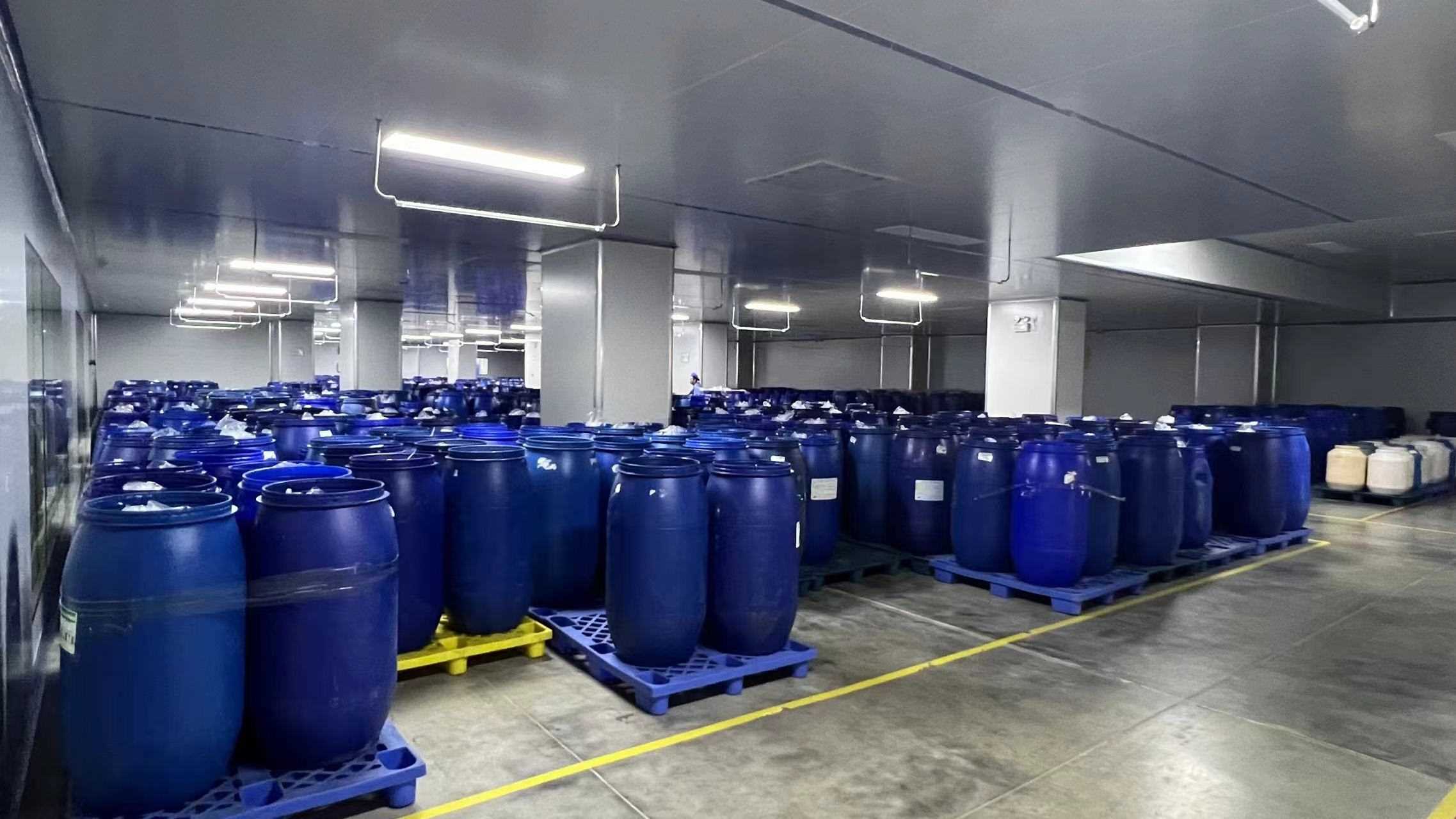
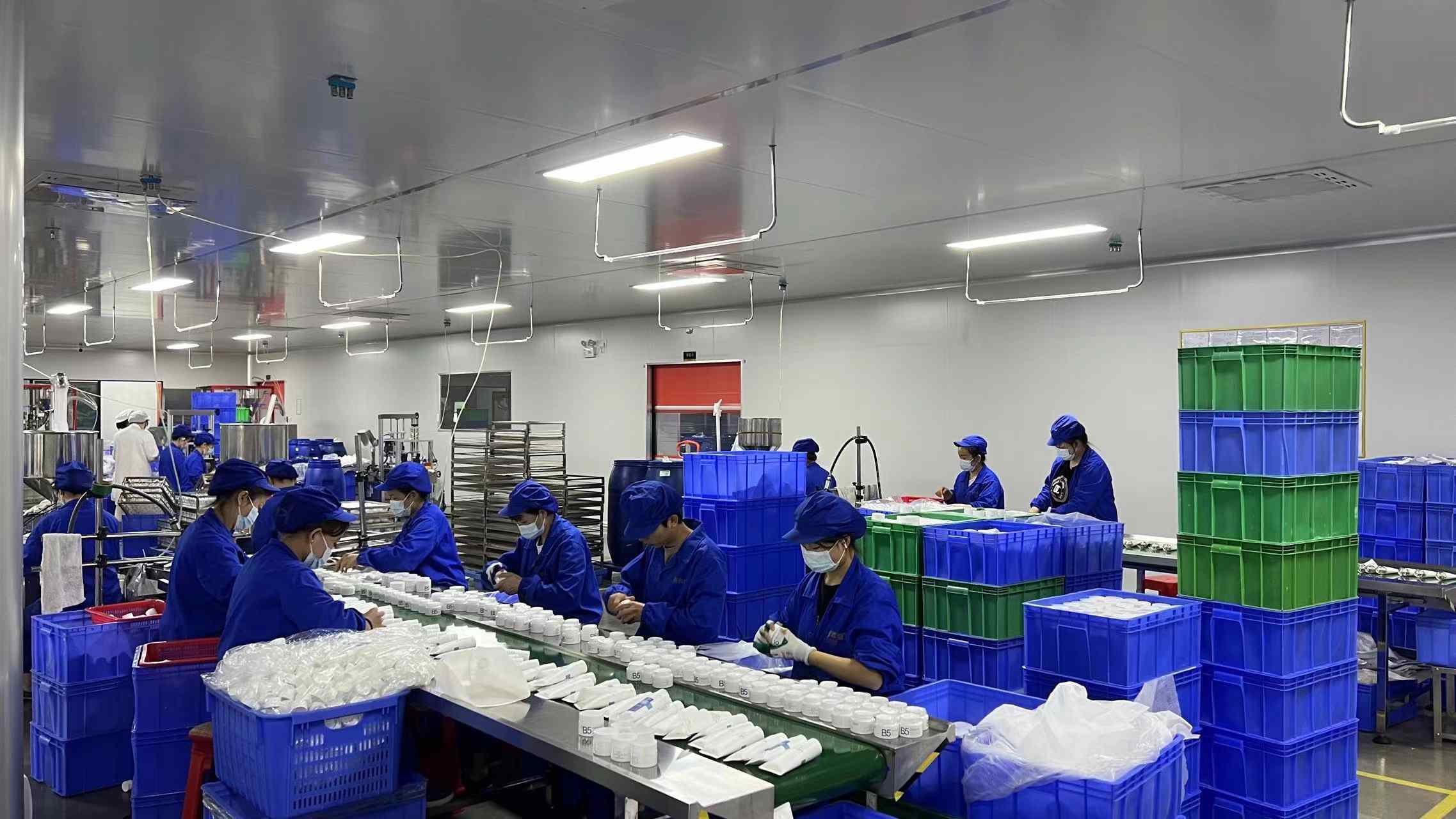
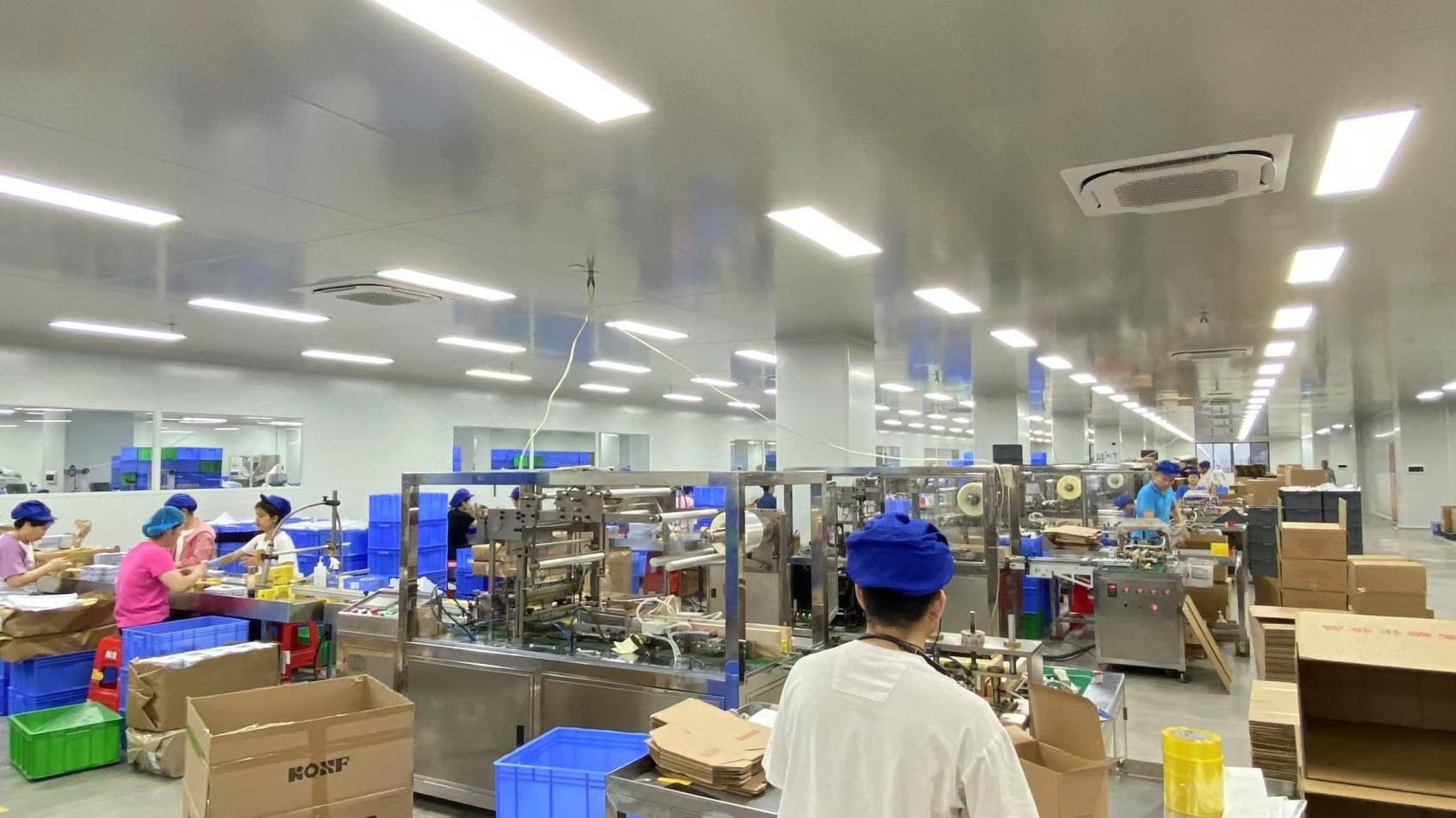
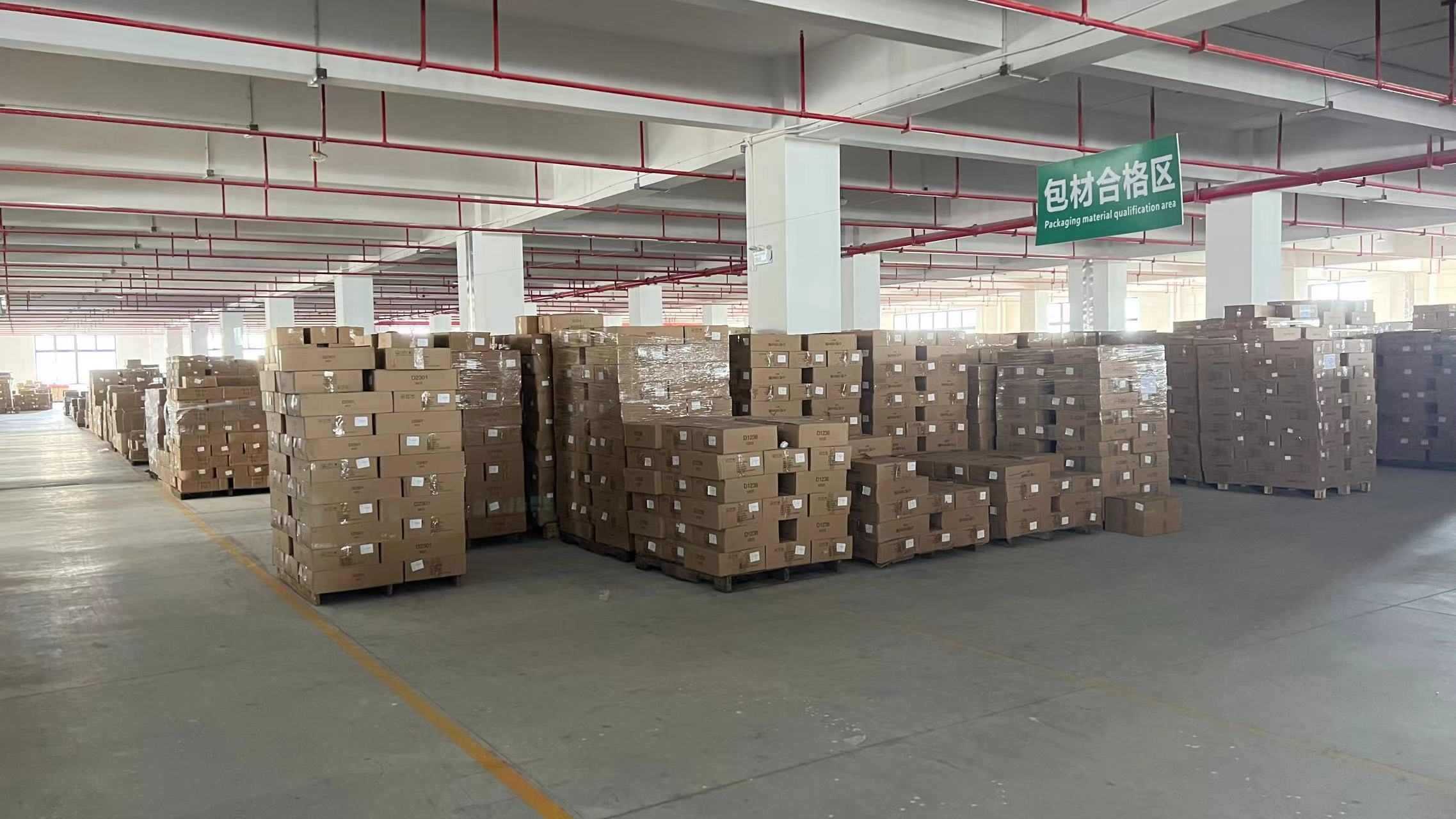
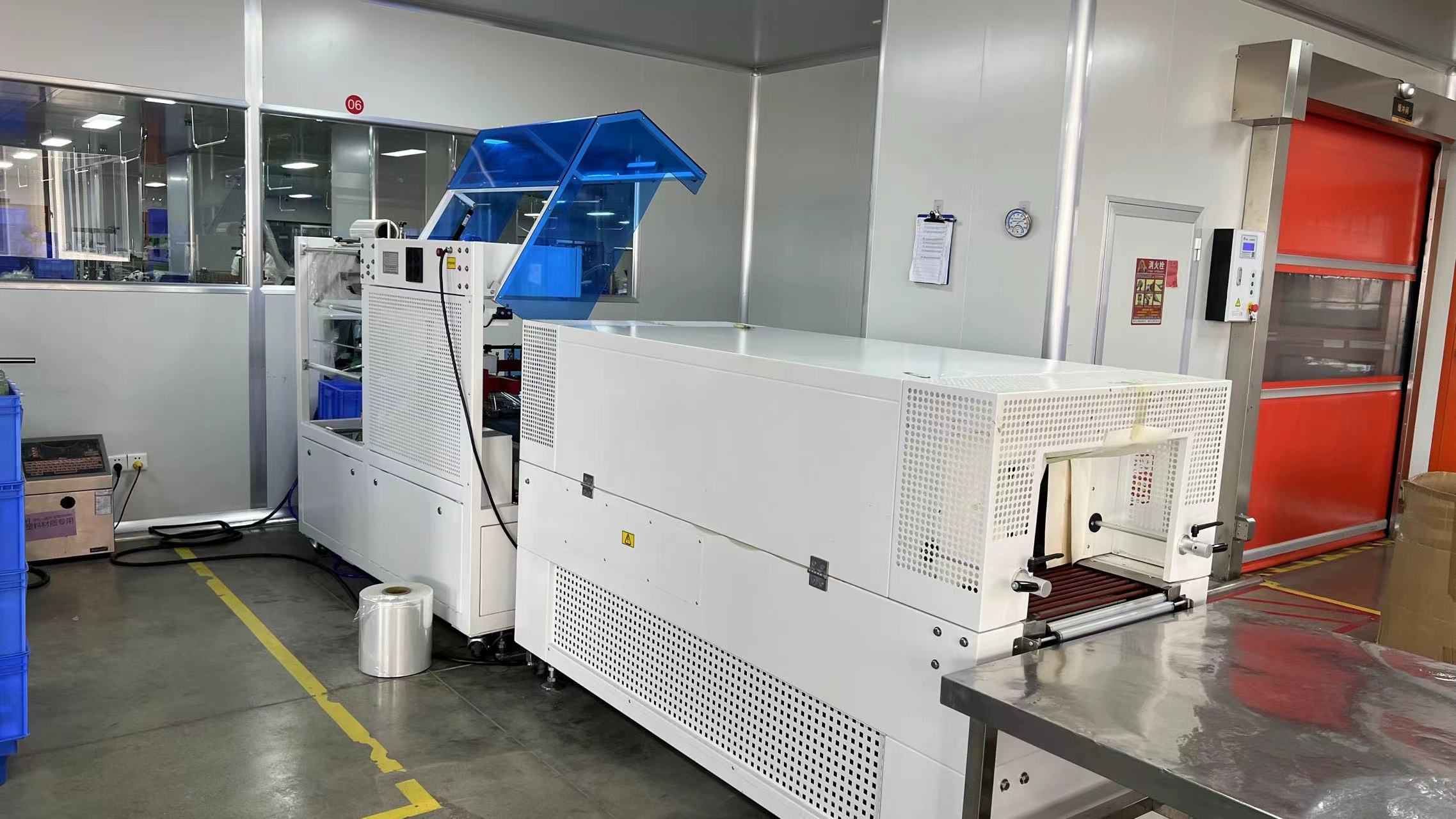
Our 25,000-square-meter manufacturing facility features 32 fully automated production lines. Designed to GMP and ISO standards, the factory manages the entire production cycle, from sterile formula emulsification to high-speed filling into PCR, glass, and monomaterial packaging. Our integrated facility helps brands avoid shipping empty packaging across suppliers, significantly cutting Scope 3 carbon emissions.
Develops stable skincare formulations using nano-emulsion systems and encapsulated actives, optimizing them to work with sustainable packaging materials.
Ensures every batch meets GMP and ISO standards. We test packaging compatibility to verify that PCR materials maintain formula stability without leaching.
Designs functional, sustainable packaging using bio-plastics, PCR resins, and refillable systems, helping brands balance aesthetics with environmental goals.
Provides end-to-end support for international clients, managing regulatory compliance and logistics for complex global shipping needs.
To deliver safe, effective, and innovative skincare solutions through advanced manufacturing and scientific formulation—helping global beauty brands develop faster, scale efficiently, and succeed in competitive markets.
A comparison of sustainable materials tailored for high-performance cosmetics, skin therapeutics, and personal care formulas.
Step-by-step overview of our manufacturing process, combining raw material preparation with advanced packaging operations.
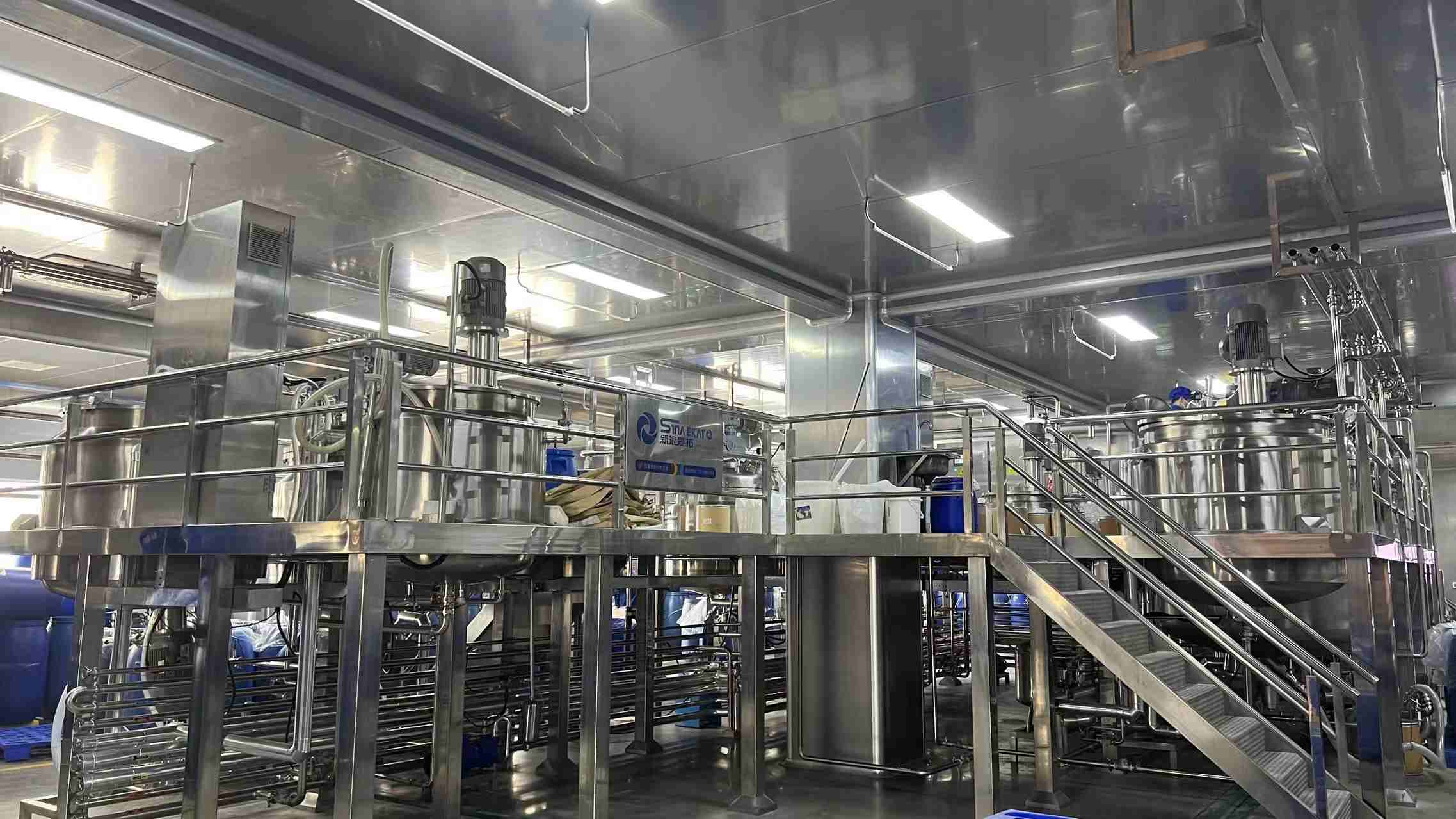
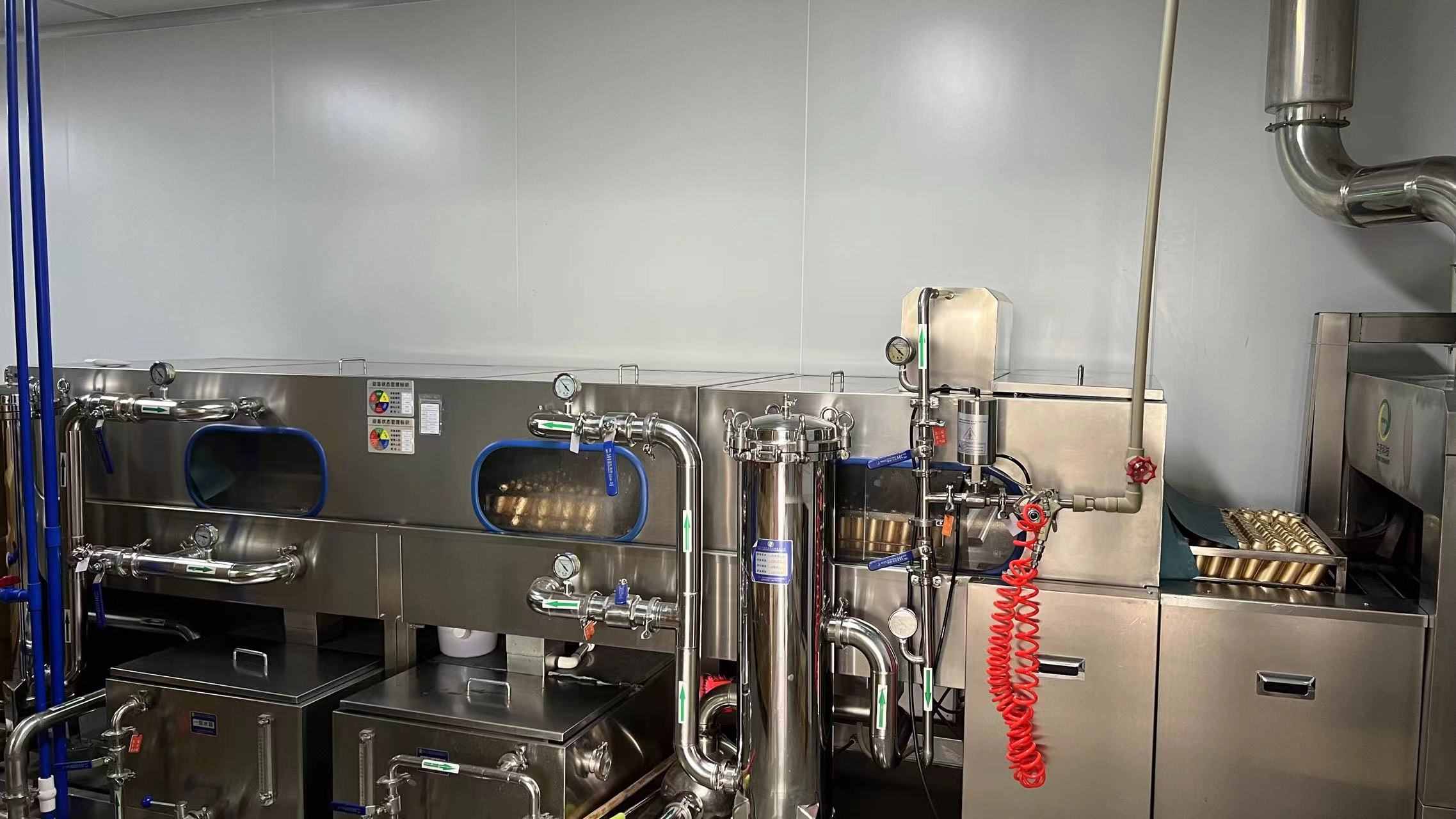
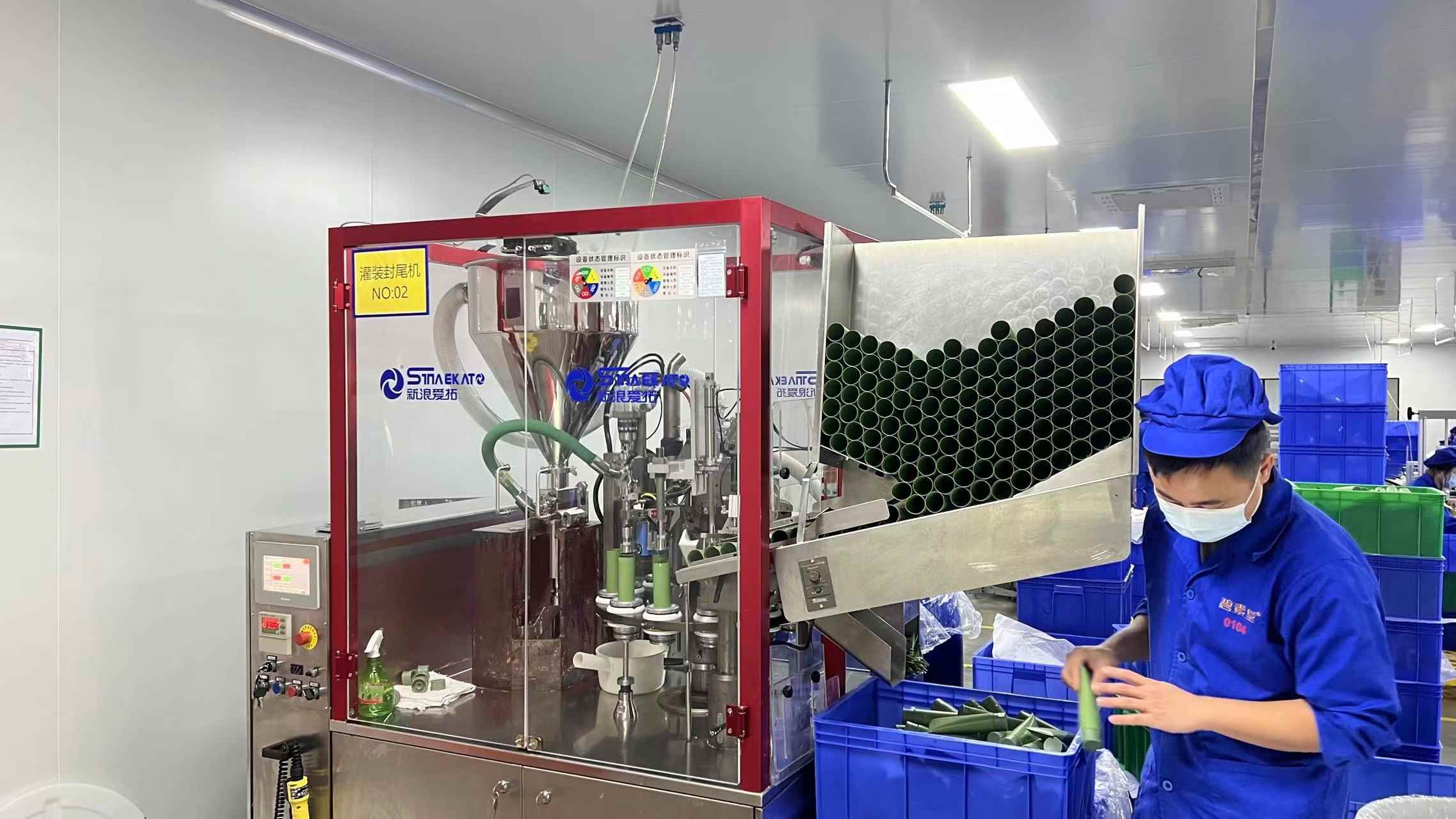
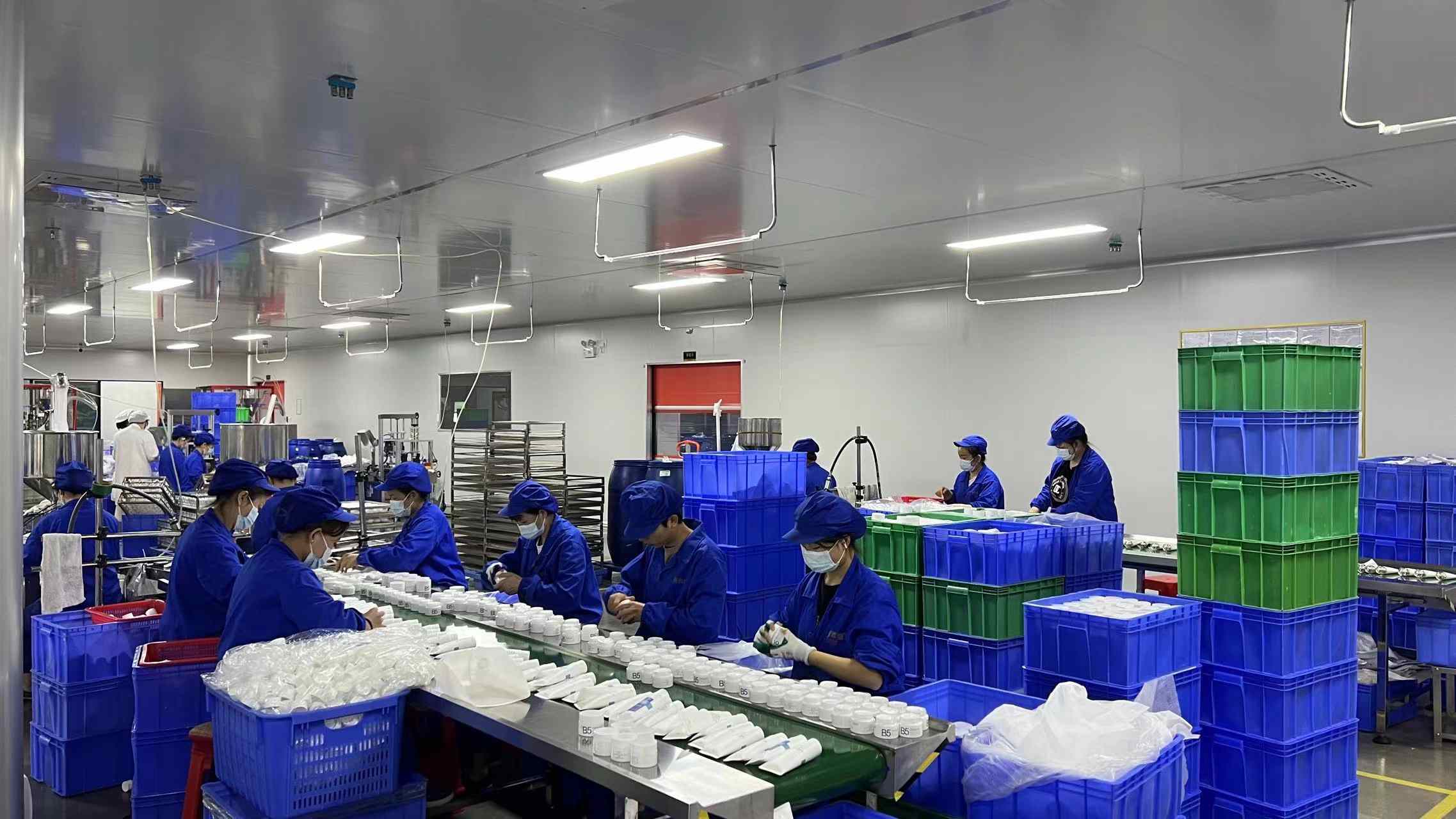
Ensuring structural integrity, regulatory compliance, and brand alignment across international borders.
When sourcing sustainable packaging, brands must verify certifications to prevent "greenwashing." Suppliers should provide third-party verified documentation, such as Global Recycled Standard (GRS) certification for PCR plastics and FSC (Forest Stewardship Council) certification for secondary wood pulp cartons. At Guangdong Miura Beauty, we ensure all raw materials and packaging components are traceably certified back to their primary originators.
Sustainable materials can interact differently with active skincare formulas than traditional plastics. For example, high-purity organic serums or botanical oils can degrade low-quality PCR bottles, leading to chemical leaching or oxidation. Our R&D team conducts compatibility testing under varied temperature conditions to guarantee that active ingredients remain stable and the packaging maintains its structural integrity over time.
Brands should focus on monomaterial designs. Multi-layer structures or multi-material pumps are difficult for municipal facilities to recycle. By selecting single-material solutions, such as all-PP pumps or mono-material PE tubes, brands can meet global recycling regulations and simplify the recycling process for consumers.
Detailed answers to common questions from purchasing departments and brand managers on regulatory compliance, material performance, and logistics.
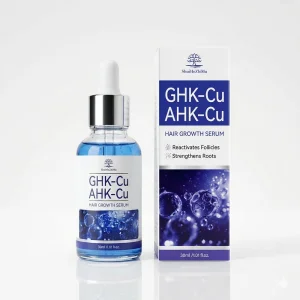
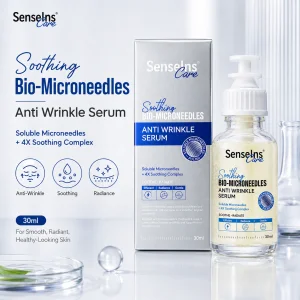
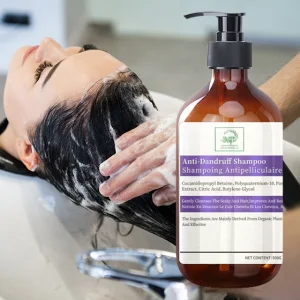
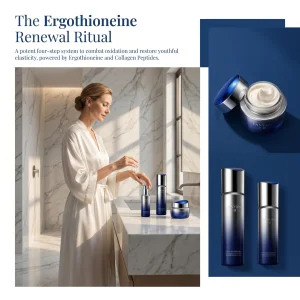
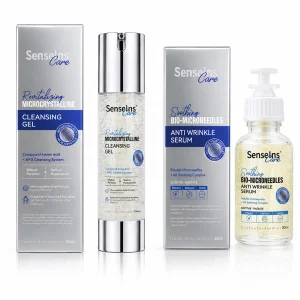
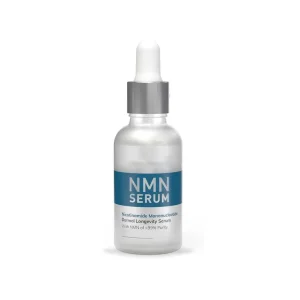
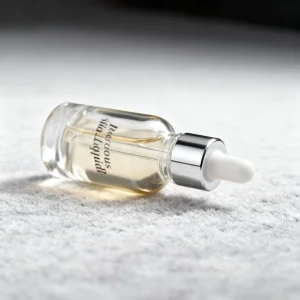
Explore our collection of advanced anti-aging serums, hair wellness systems, and clean personal care products designed for eco-conscious brands.
 Miura Beauty