Explore our top-tier formulations designed to combat the skin hydration challenges posed by Ethiopia's unique geographic climates.
Ethiopia, home to over 120 million people, represents one of the fastest-growing economies in East Africa. Urban centers like Addis Ababa, Hawassa, and Adama are witnessing a dramatic transformation in consumer behavior. The demand for skin health and body treatments is no longer confined to luxury hotels; it is now a mainstream cosmetic sector powered by an emerging middle class, heightened hygiene awareness, and the modernization of local retail environments.
However, Ethiopia’s unique topography and climatic characteristics play a decisive role in skincare requirements. The capital, Addis Ababa, sits at an altitude of over 2,300 meters above sea level. This high-altitude climate, characterized by low humidity, dry wind, and high UV radiation, accelerates trans-epidermal water loss (TEWL) and causes chronic skin dryness and hyperkeratinization.
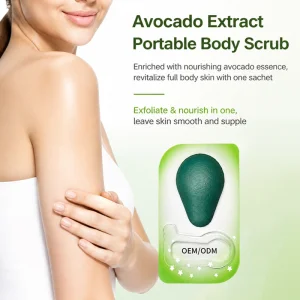
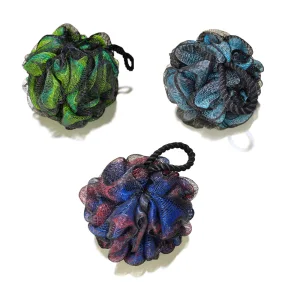
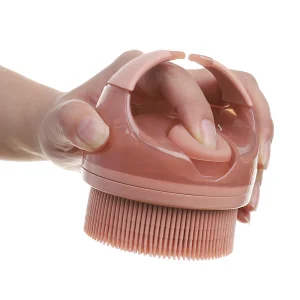
Local cosmetic entrepreneurs are actively seeking to substitute low-quality imports with high-standard, skin-barrier-conscious formulations. This commercial dynamic presents a substantial window for businesses sourcing Exfoliating Body Treatments under Private Label agreements, allowing them to capture market share with products optimized for local conditions.
While local demand continues to rise, the domestic manufacturing sector for personal care in Ethiopia is hampered by supply chain bottlenecks. Shortages of foreign exchange reserves restrict the local import of vital active ingredients, emulsifiers, and stability agents.
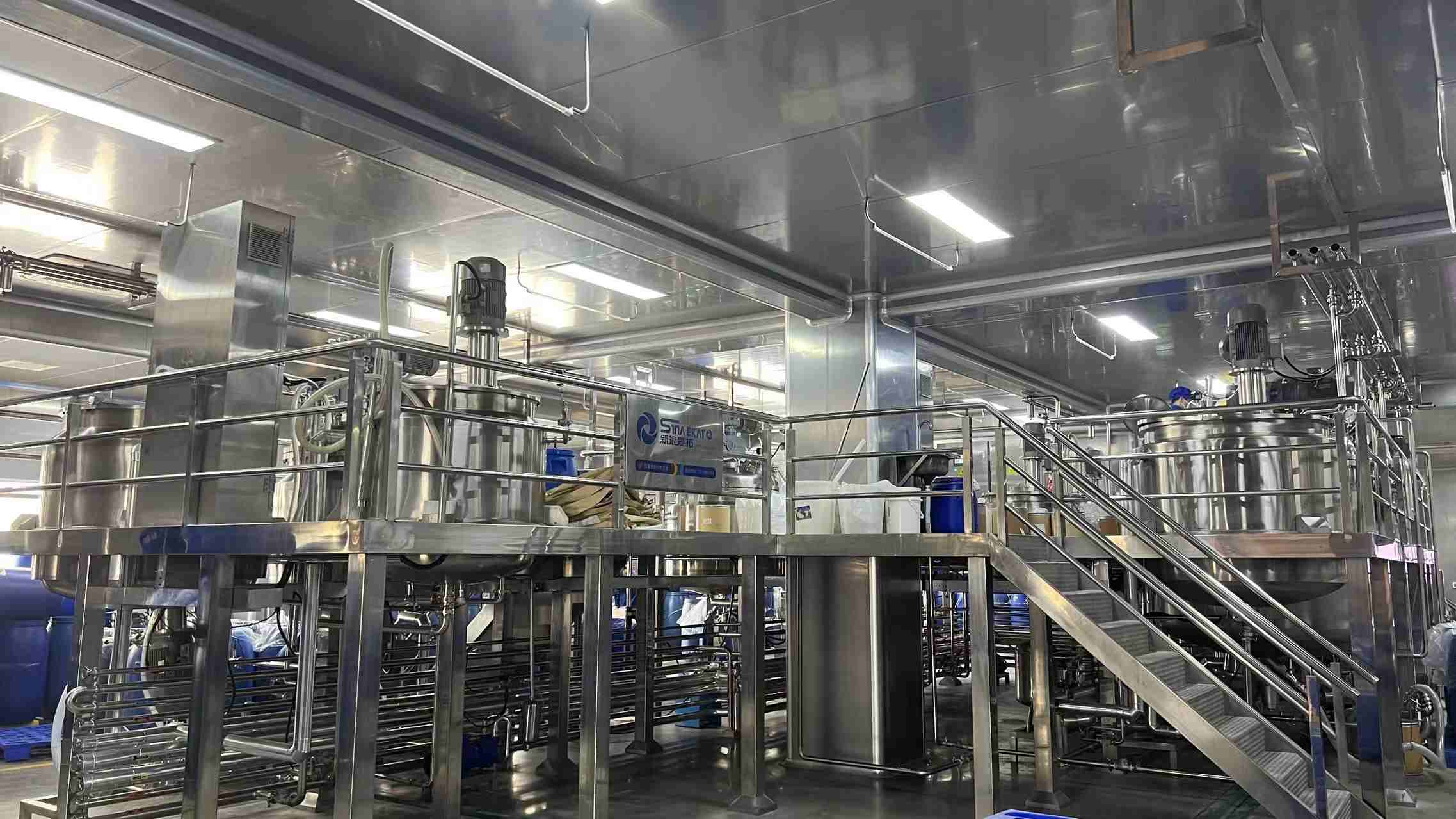
Furthermore, local formulation facilities often lack the cleanroom environments required to guarantee microbial safety for water-based cosmetics, resulting in short shelf-lives. Consequently, importing high-stability bulk formulations and finished products from specialized global OEM/ODM manufacturers like Guangdong Miura Beauty remains the most cost-effective and risk-free strategy for local brands.
Pioneering precision manufacturing and compliance frameworks for seamless cosmetics supply to the African continent.
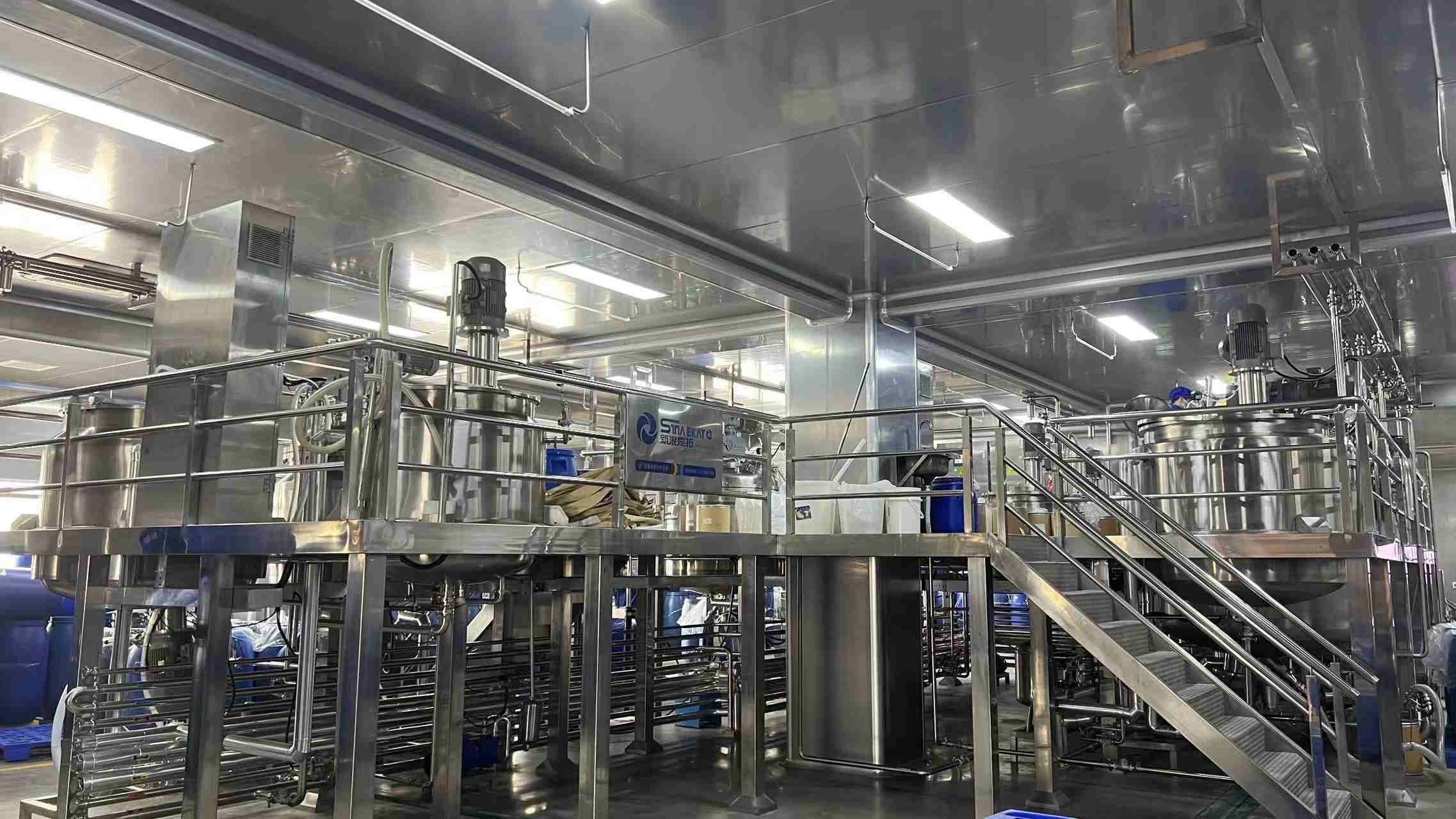
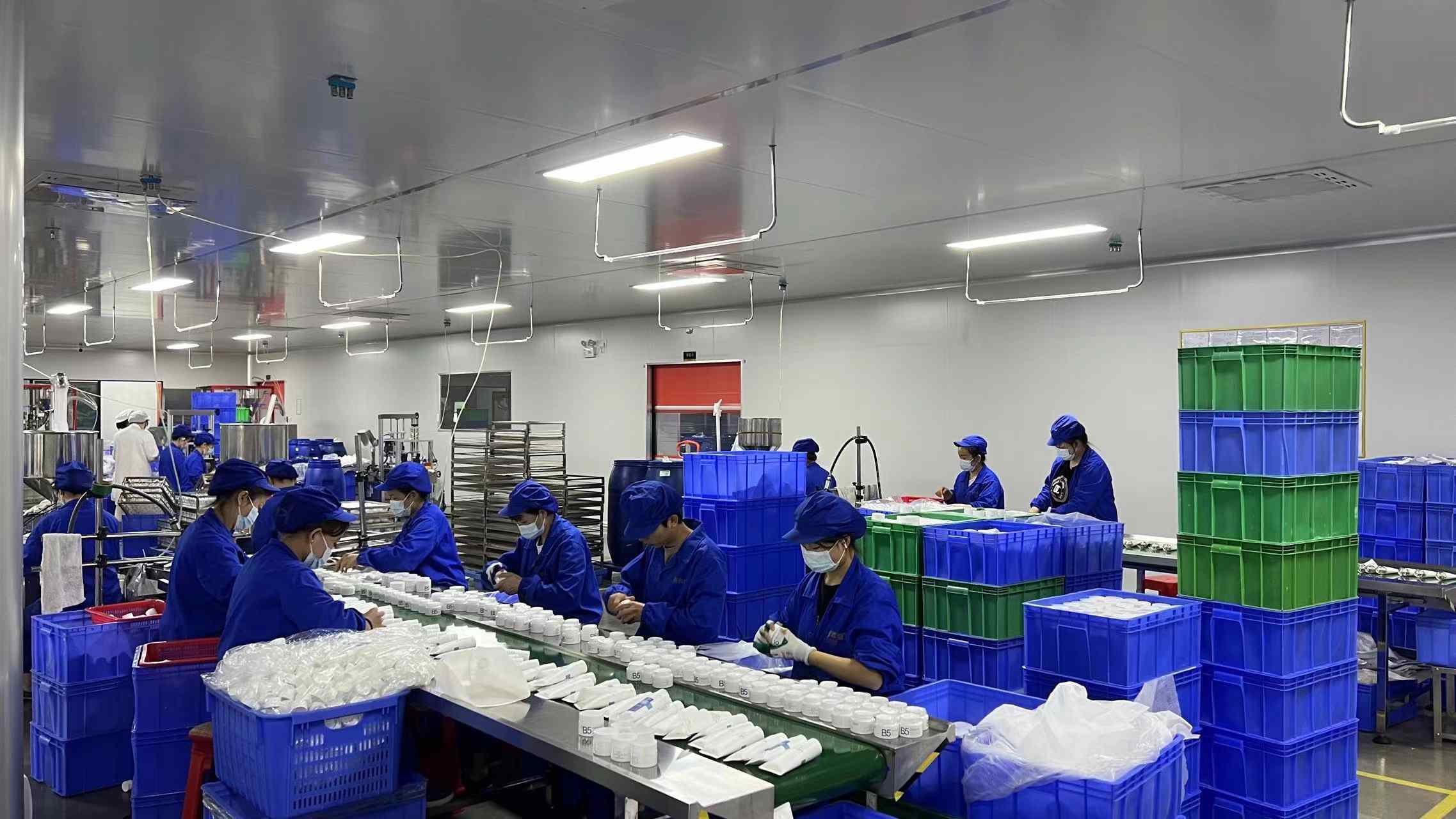
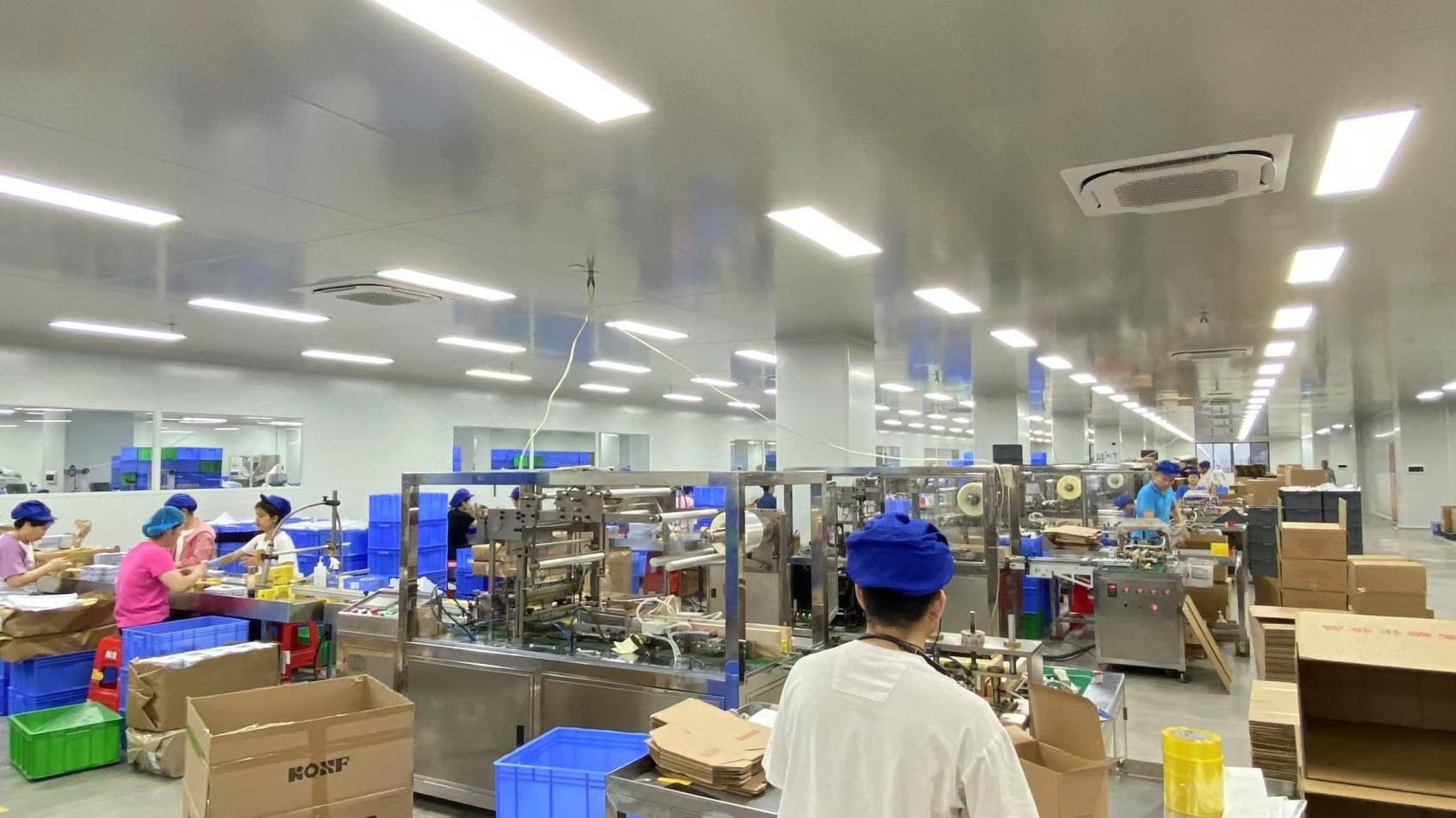
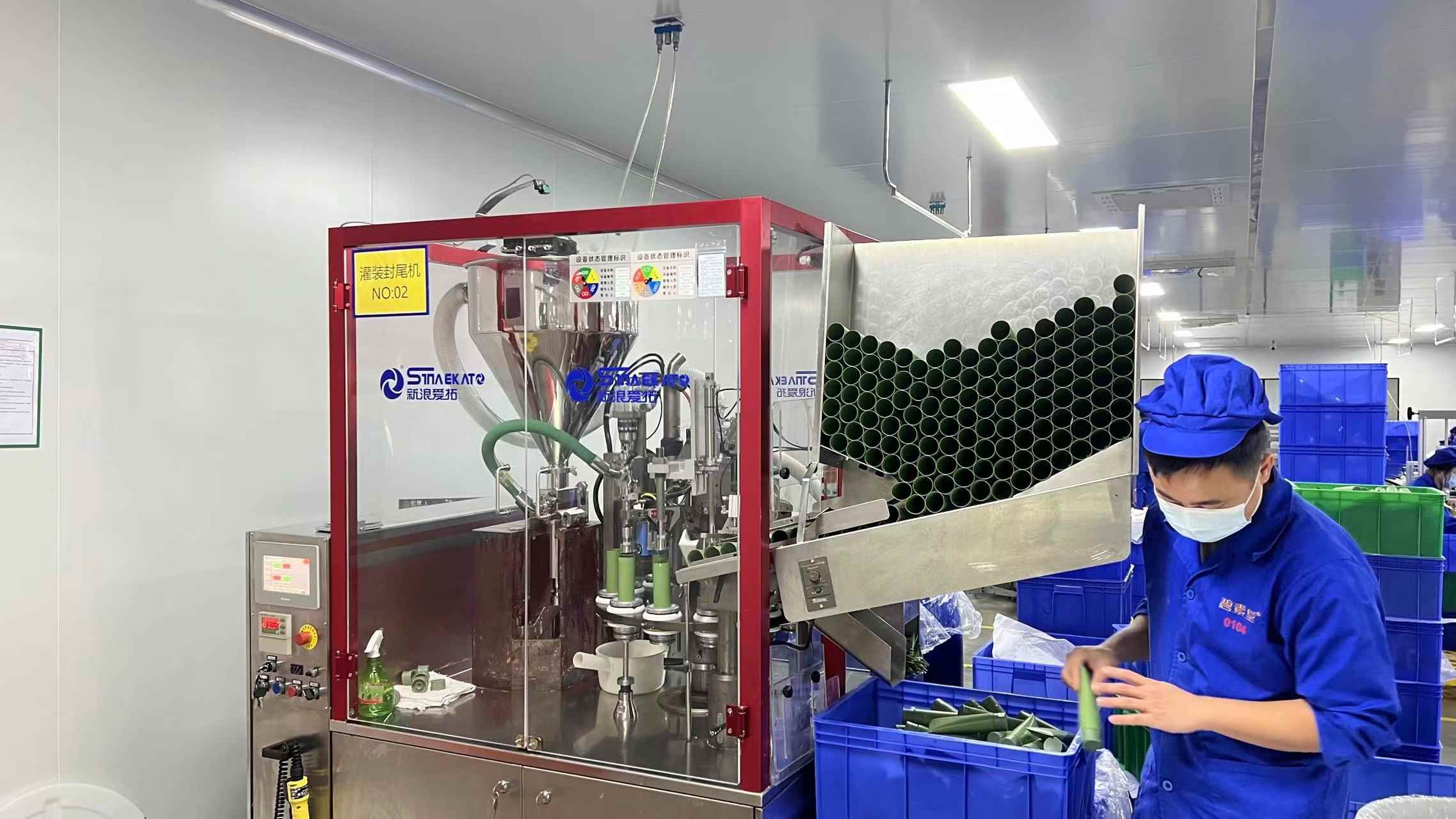
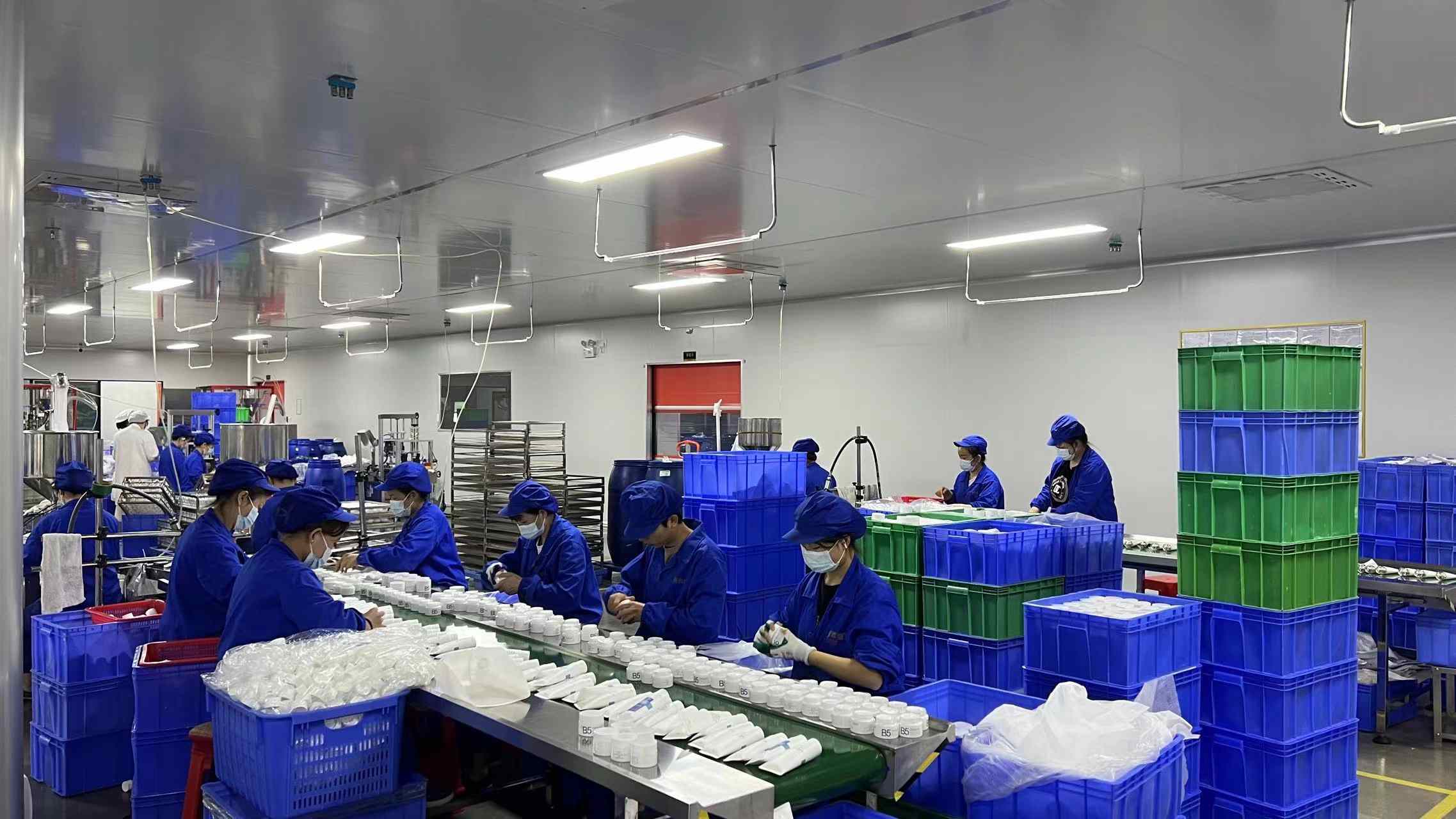
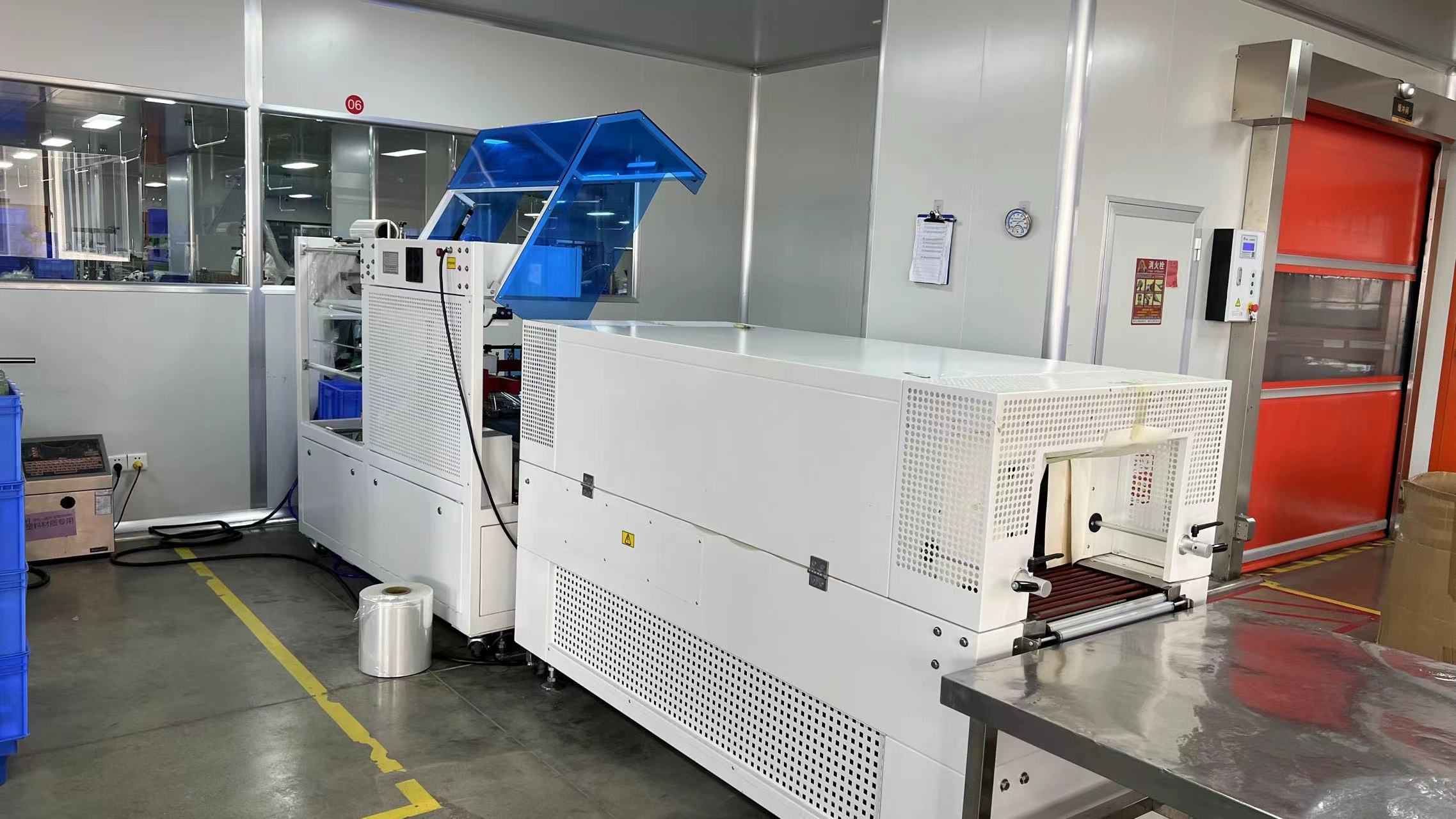
Operates 32 fully automated production lines under strict ISO 22716 and GMPC cosmetics certifications. Our scale ensures rapid production cycles and immediate delivery capabilities for high-volume orders.
Led by seasoned cosmetic chemists, our laboratory focuses on nano-emulsion delivery systems, botanical extracts, and climate-adaptive formulations that resist separation in fluctuating transit temperatures.
We provide a comprehensive path from concept to market: custom formulation development, rigorous quality assurance, graphic packaging design, and regulatory documentation assistance.
To succeed in the Ethiopian market, products must align with local cultural preferences and environmental realities. Body exfoliants should incorporate well-known regional ingredients or reflect their benefits. For instance, formulating scrubs with organic Arabica coffee grounds taps into Ethiopia's legendary coffee heritage, creating a compelling marketing story for local brands.
Additionally, because high solar exposure is typical in East Africa, gentle chemical exfoliants like Lactic Acid (AHA) are preferred over harsh scrubs. AHAs stimulate cell renewal while acting as humectants to pull moisture into the skin, preventing post-inflammatory hyperpigmentation (PIH), a common concern for darker skin phototypes.
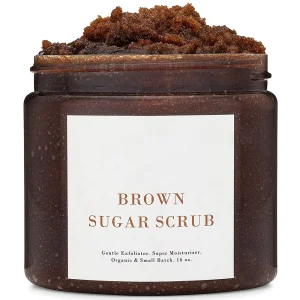
The global skincare industry is moving rapidly toward sustainable, multi-functional body care. Today's consumers demand clean-label formulations free from parabens, phthalates, and microplastics. Biodegradable exfoliating agents such as brown sugar, Dead Sea salt, and natural volcanic pumice have completely replaced synthetic polyethylene beads.
Furthermore, "skinification"—applying facial-grade active ingredients like Hyaluronic Acid, Vitamin C, and Niacinamide to body care—is a dominant trend. Global B2B buyers should focus on formulations that offer dual benefits: gentle exfoliation paired with barrier replenishment.
Directing cosmetics supply chains into East Africa requires deep logistics and regulatory expertise. Guangdong Miura Beauty offers end-to-end support to ensure worry-free importing.
The Ethiopian Food and Drug Authority (EFDA) enforces strict registration processes. We supply comprehensive documentation, including Certificate of Free Sale (CFS), Analysis Reports (COA), and heavy metal/microbial test certificates, to expedite your clearance.
Ethiopia relies primarily on Djibouti Port for maritime trade. We handle all logistics coordination from our factories in Guangdong to major shipping hubs, securing temperature-controlled containers (reefers) to preserve product stability.
Understanding the local financial landscape, we work with flexible Letters of Credit (L/C) structures, ensuring alignment with Ethiopian banking regulations to smooth transaction paths and secure manufacturing schedules.
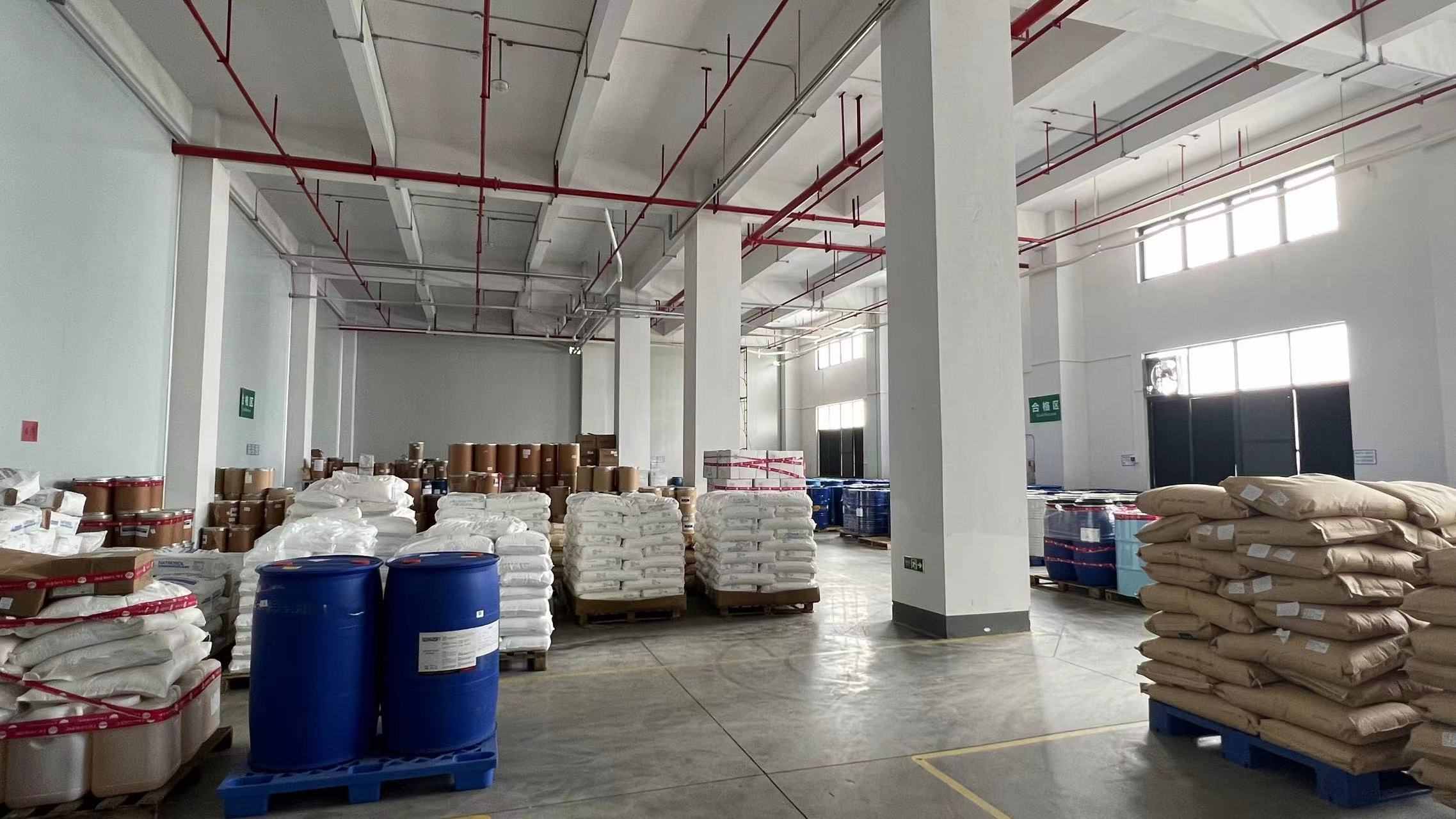
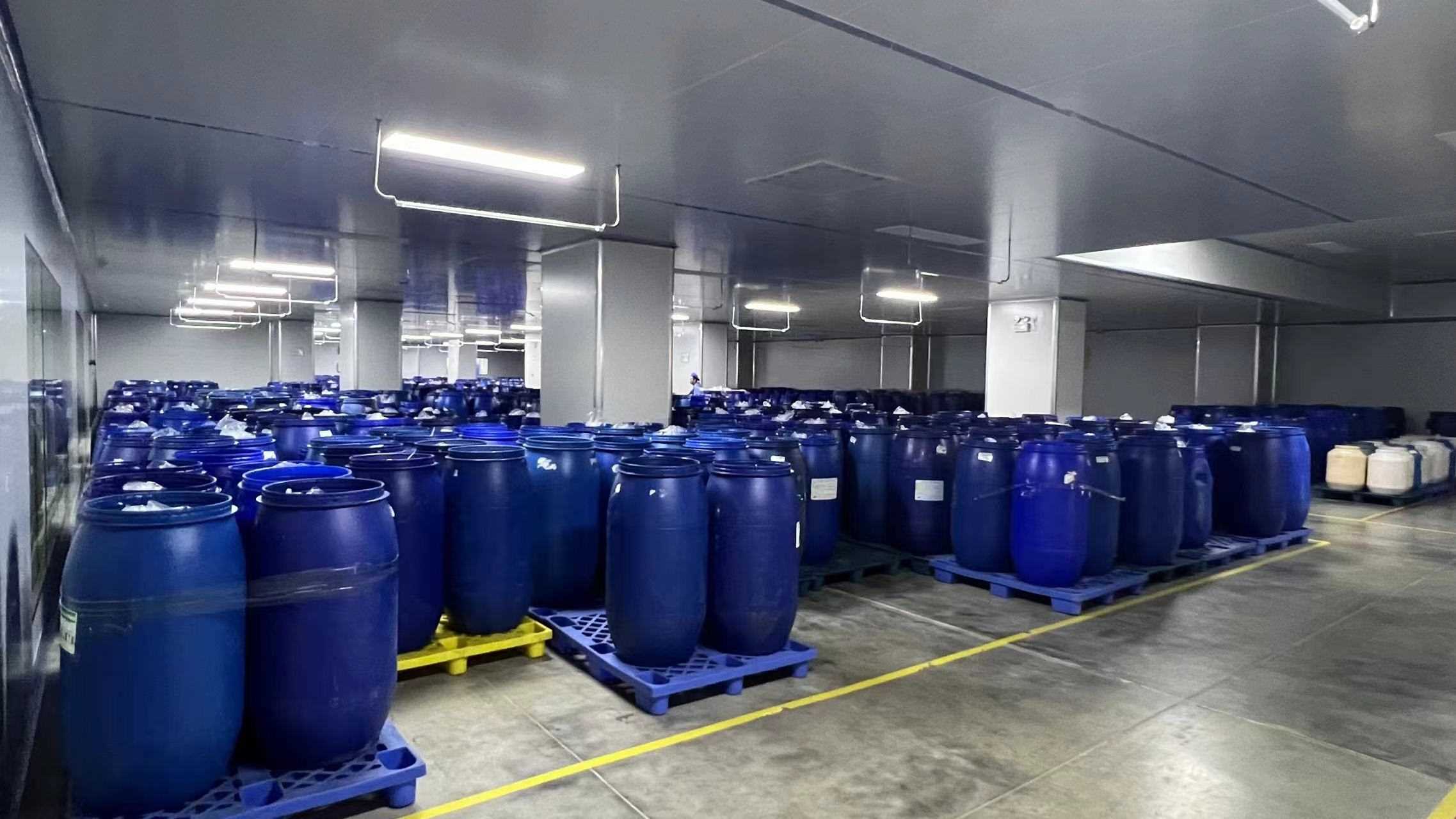
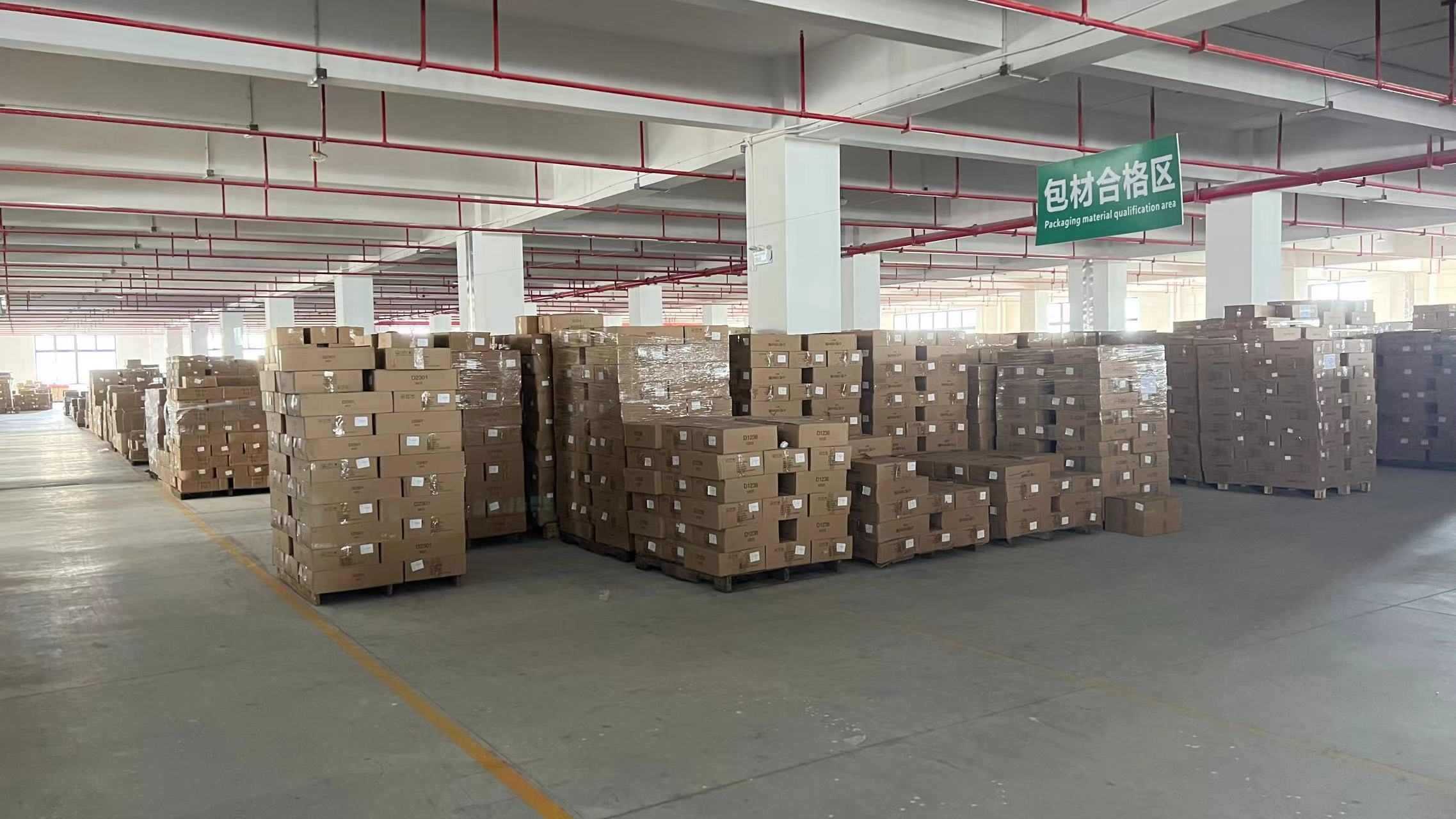
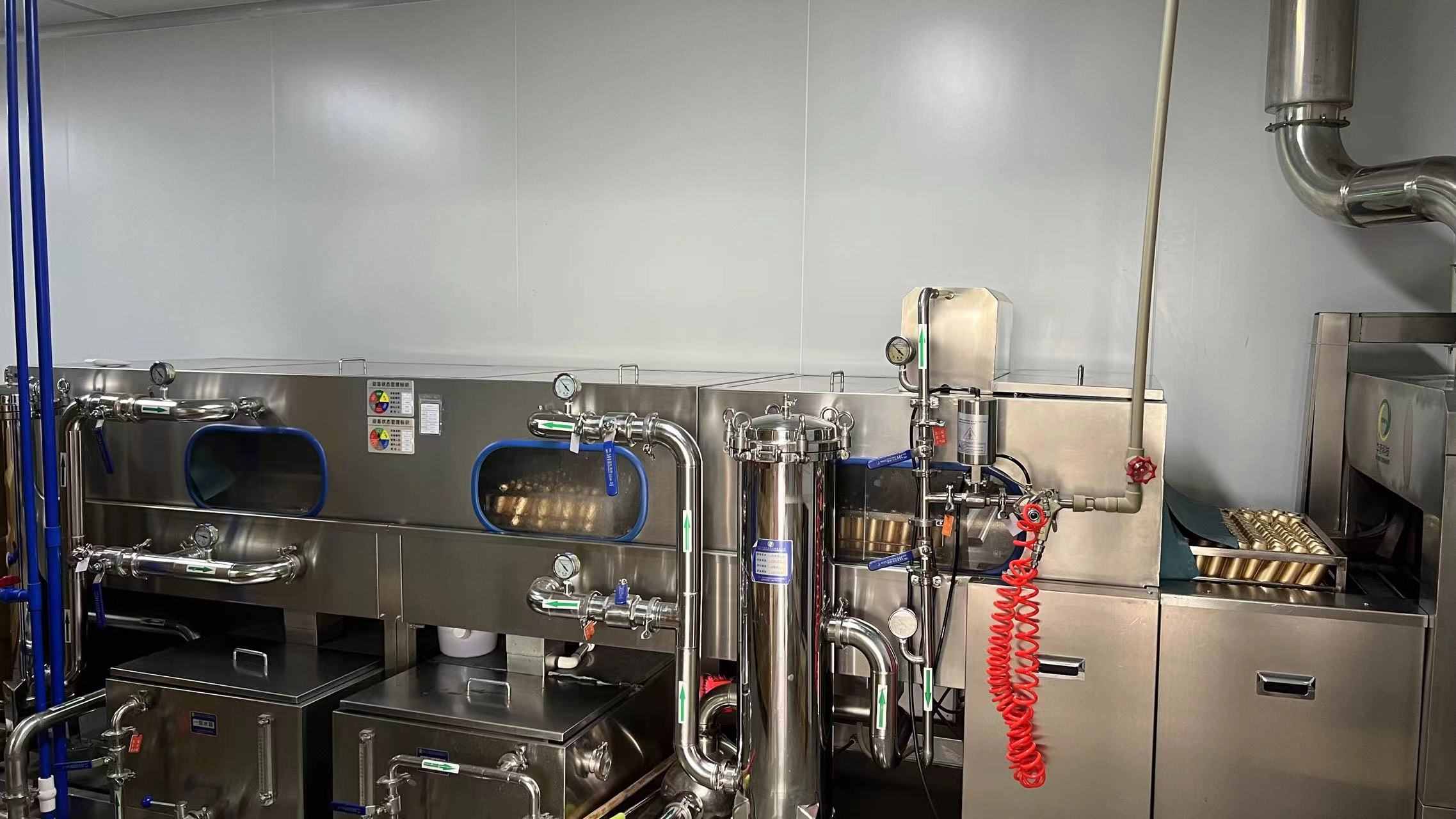
Step inside Guangdong Miura Beauty’s state-of-the-art facility. We maintain cleanrooms and automated lines to guarantee stability for every batch.
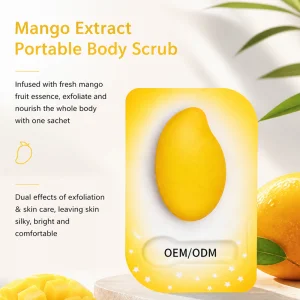
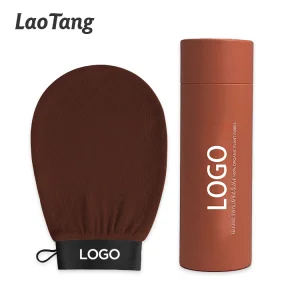
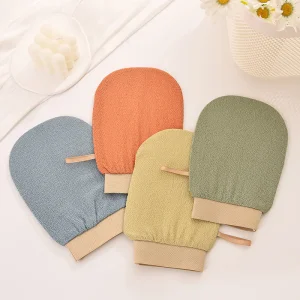
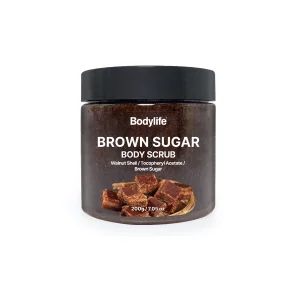
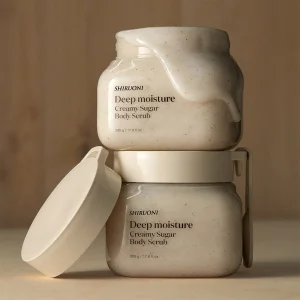
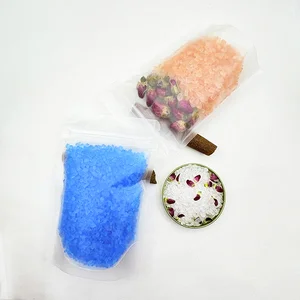
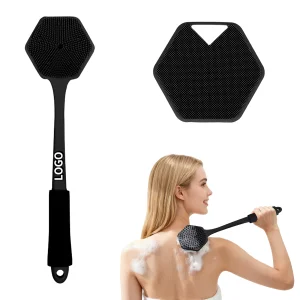
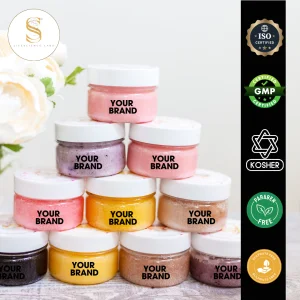
From deep-cleansing sugar scrubs to specialized peeling pads, select the right fit for your local market.
Answers to essential regulatory, shipping, and formulation questions for trading with Guangdong Miura Beauty.
 Miura Beauty