Top China Deep Cleansing Scrubs Suppliers & Exporter

Pioneering Smart Exfoliation Science, High-Throughput GMPC/ISO Manufacturing, and Custom Clean Beauty Formulation for Global Skincare Brands

Global Market Analysis of Skin Exfoliants & Deep Cleansing Scrubs

Understanding structural transformations in consumer preferences, ingredient compliance, and industrial production pipelines.

11.8%
Global CAGR Growth
100%
Microplastic-Free
25k ㎡
Modern Smart Plant
32+
Auto Packaging Lines

The global deep cleansing scrubs and exfoliation market is undergoing a profound regulatory and consumer-driven paradigm shift. For decades, manufacturers relied heavily on polyethylene (PE) micro-beads to deliver mechanical scrub profiles. However, with environmental mandates from the European Chemicals Agency (ECHA), US FDA Microbead-Free Waters Act, and China's National Development and Reform Commission (NDRC) regulations, biodegradable physical exfoliants have transitioned from a premium alternative to a strict baseline requirement.

Current industrial solutions rely on meticulously structured matrices using silica particles, cellulose beads, bamboo stem powder, and natural fruit seed powders (such as apricot kernel and walnut shell). Crucially, the focus has shifted from high-abrasion stripping to hybrid multi-level exfoliation systems that synergize mild physical mechanical scrubs with chemical keratolytics (such as Alpha Hydroxy Acids, Beta Hydroxy Acids, and Poly Hydroxy Acids) and enzymatic soft-peel agents (such as papain and bromelain).

Exfoliation Modality Key Active Ingredients Action Mechanism Ideal Target Demographics Stability & Formulation Challenges
Mechanical Exfoliation Hydrated Silica, Jojoba Esters, Cellulose, Microcrystalline Wax Physical friction dislodges dead corneocytes on the stratum corneum. Rough skin texture, keratosis pilaris, oily skin, scalp build-up. Suspending agents required to prevent particle precipitation; particle size control to avoid micro-tearing.
Chemical Exfoliation (AHA/BHA/PHA) Salicylic Acid, Glycolic Acid, Lactic Acid, Gluconolactone Dissolves desmosomal junctions linking dead skin cells; lipophilic BHAs penetrate sebum-filled pores. Acne-prone skin, hyperpigmentation, congested pores, mature skin. pH stabilization (usually target pH 3.5 - 4.2); surfactant compatibility; barrier integrity maintenance.
Enzymatic Exfoliation Papain, Bromelain, Pumpkin Ferment Extract Proteolytic cleavage of peptide bonds in skin cell proteins under mild physiological conditions. Sensitive skin, rosacea-prone skin, post-procedural recovery. High sensitivity to temperature changes and pH; requires complex encapsulation or anhydrous vehicle.

Guangdong Miura Beauty Co. Ltd.

Based in Guangdong, China, Guangdong Miura Beauty Co. Ltd. is a leading, full-service cosmetics contract manufacturer specializing in premium OEM, ODM, and OBM cosmetics solutions. Our operations integrate advanced formulation sciences, precision automated production, and turnkey brand development services designed for high-performance skincare markets.

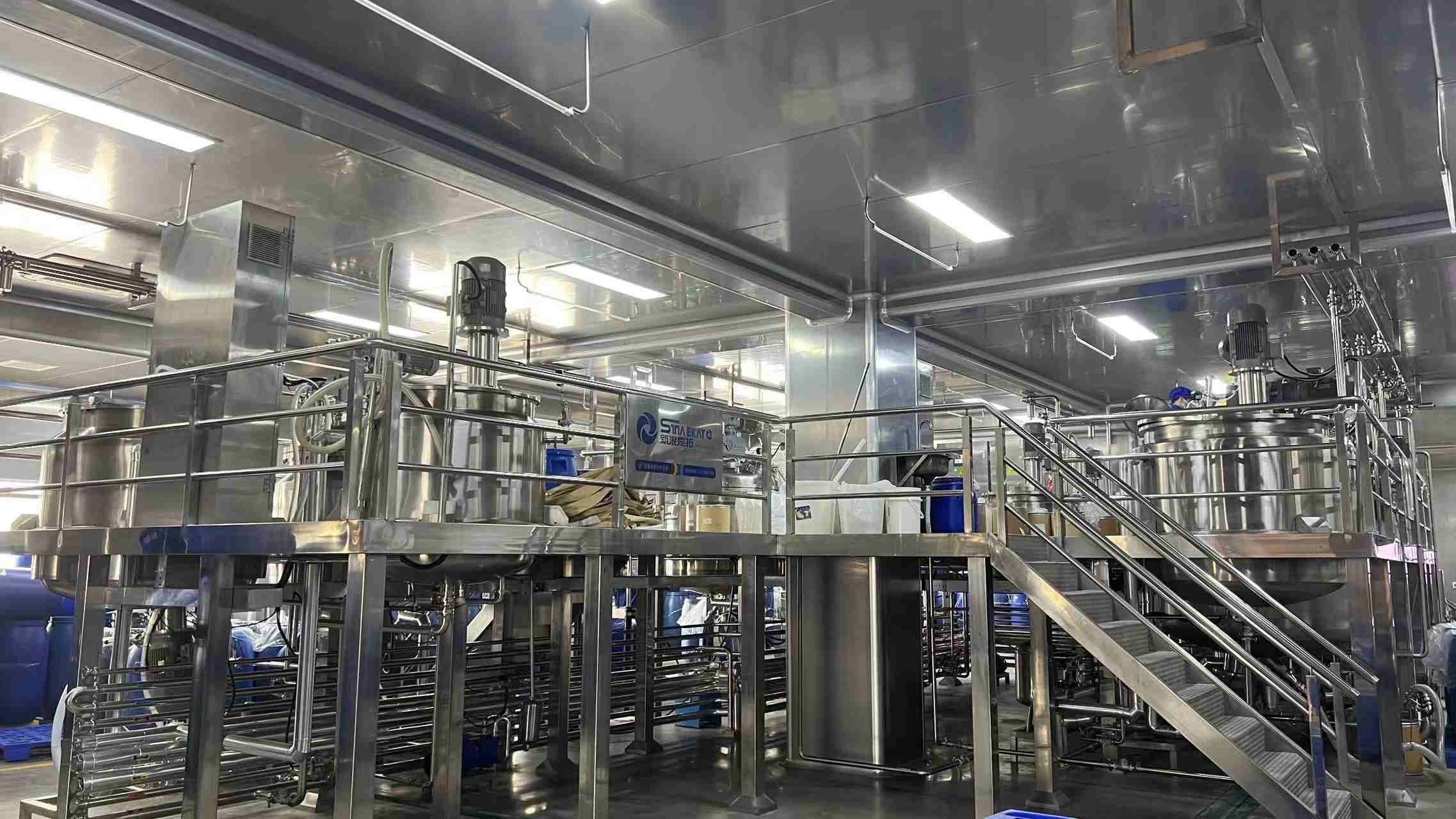
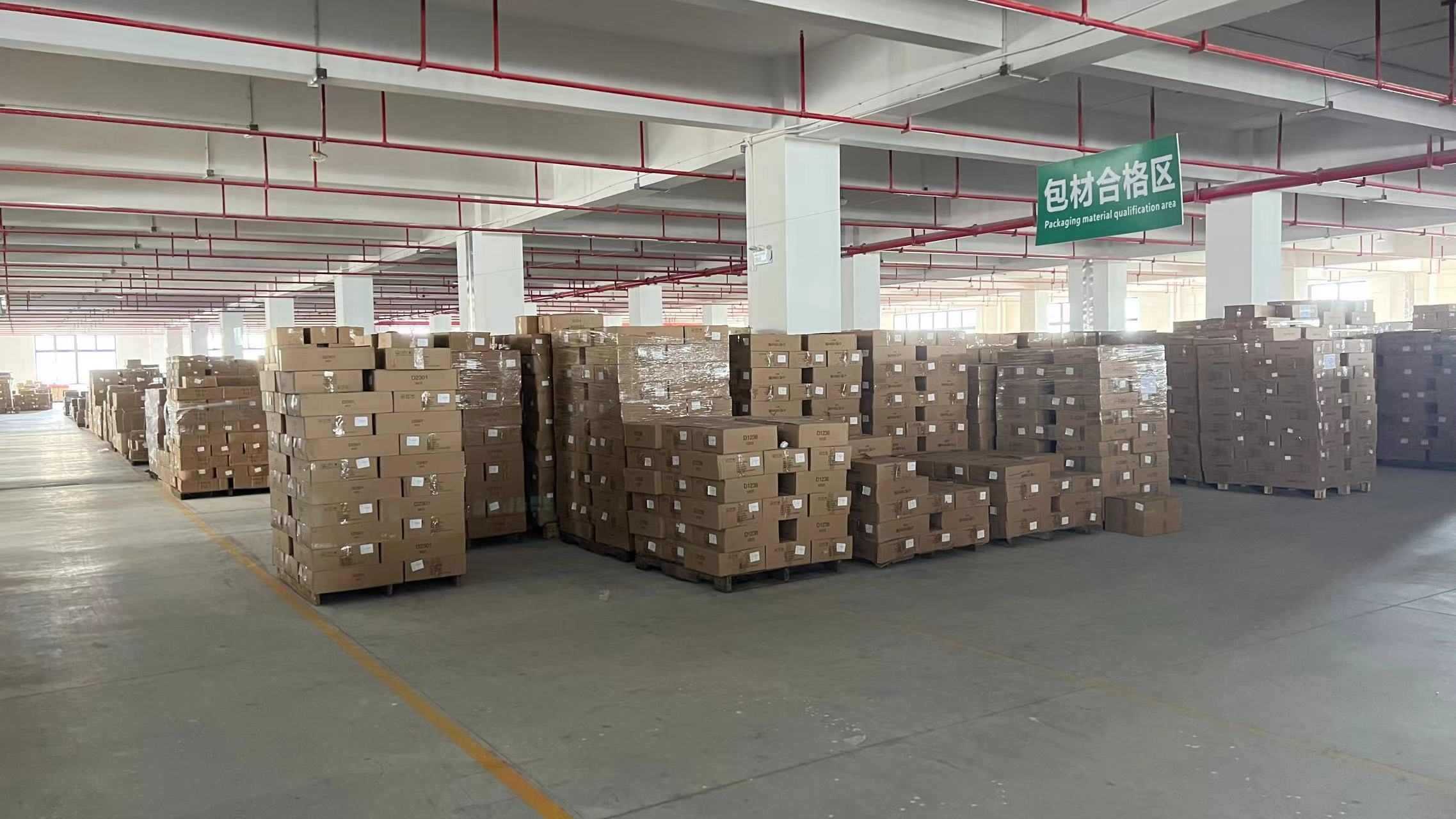
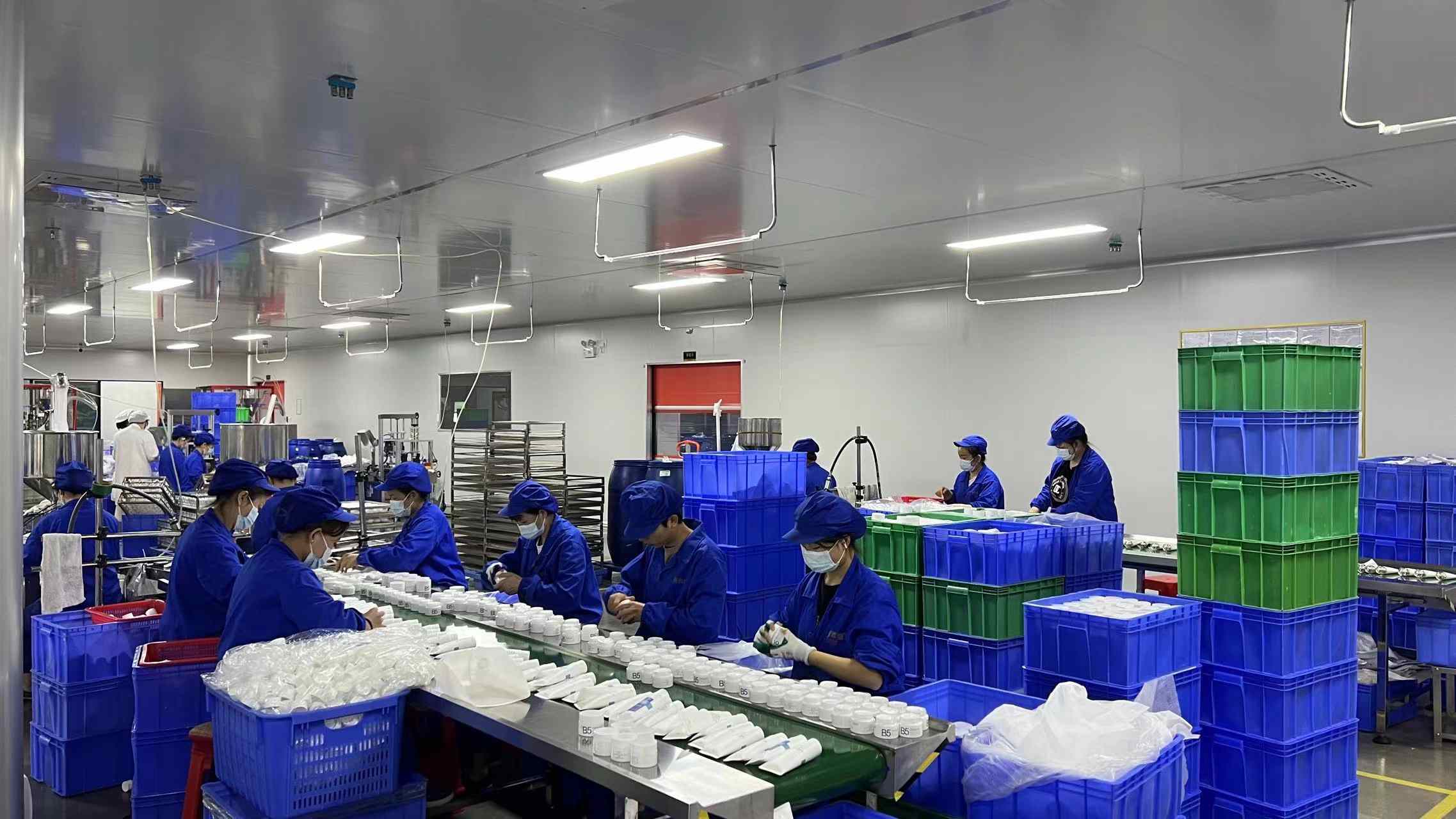
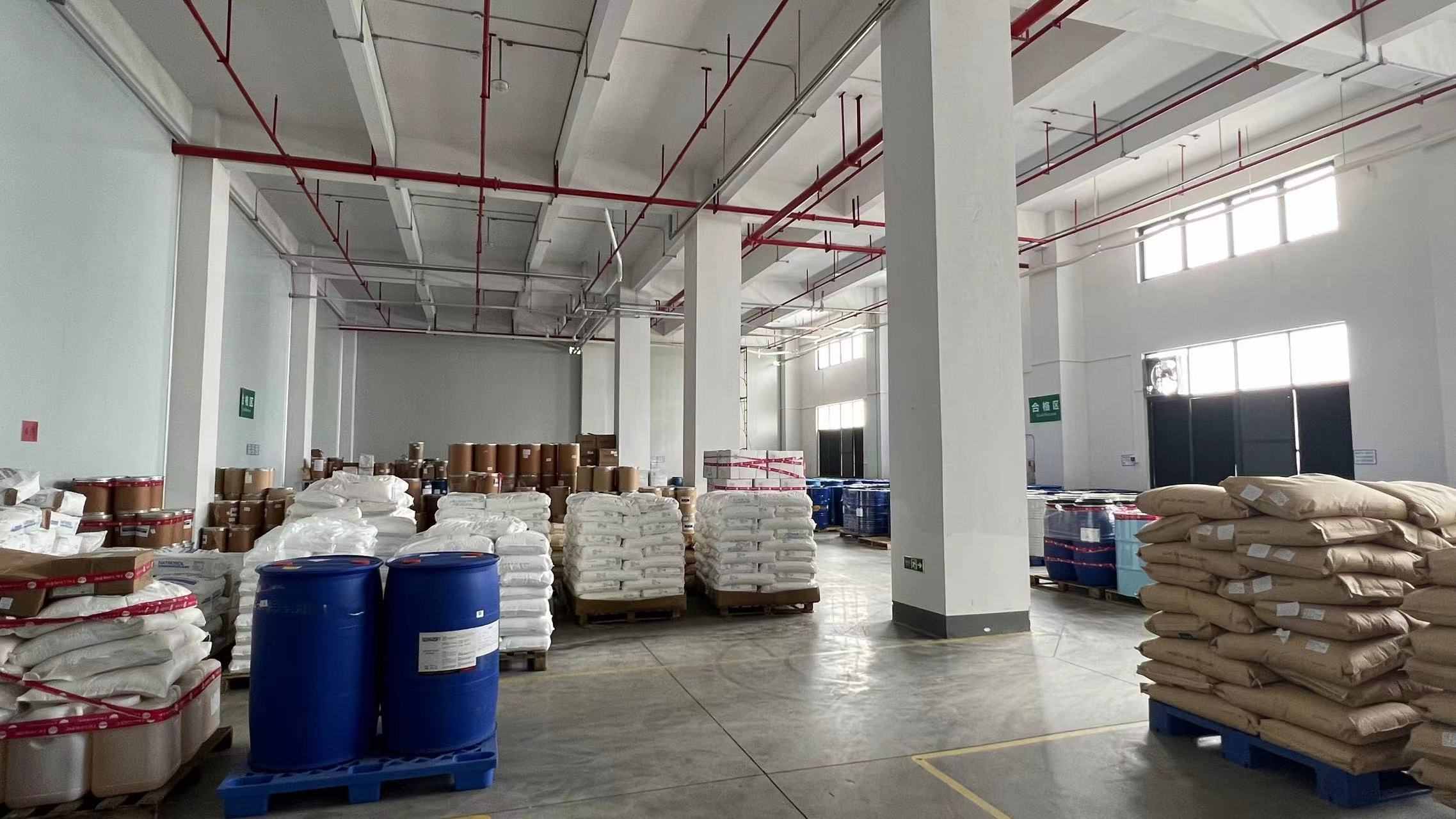
Our state-of-the-art 25,000-square-meter facility houses 32 fully automated production lines. This scale allows us to efficiently fulfill massive global demand while enforcing strict quality controls. Our specialized team handles everything from clean-room manufacturing to international regulatory compliance.

Our Core Mission: To deliver safe, effective, and innovative skincare solutions through advanced manufacturing and scientific formulation—helping global beauty brands develop faster, scale efficiently, and succeed in competitive markets.

Dedicated Structural Teams

🧪
R&D & Formulation Team Develops customized skincare solutions with optimized texture, stability, and performance based on global market trends.
🛡️
Quality Assurance Team Ensures every product meets strict international standards through full-process testing and compliance control (GMP, ISO, etc.).
🎨
Packaging & Design Team Creates complete brand packaging solutions, combining aesthetics, functionality, and market positioning.
🌐
Project Management Team Provides end-to-end support for global clients, ensuring smooth communication, fast development, and efficient delivery.

Technical Formulation Roadmap & Future Outlook

Exploring advancements in cosmetic rheology, active delivery systems, and environmentally responsible chemical engineering.

Next-Gen Bio-Delivery & Emulsion Engineering

Conventional deep cleansing scrubs often struggle with phase stability, as the suspended abrasive particulates tend to precipitate out or alter the emulsion's viscosity over time. Guangdong Miura Beauty addresses this through advanced polymer chemistry and cosmetic rheology:

  • Anhydrous Suspension Systems: Using specialized silica dimethyl silylate matrices to suspend gentle scrubbing agents in waterless formulations, boosting the shelf-life of oxygen- or water-sensitive actives.
  • Encapsulated Active Release: Active ingredients like salicylic acid are encapsulated within polymeric cyclodextrin structures. These release only upon mechanical friction during scrubbing, minimizing skin irritation.
  • Nano-Emulsion Delivery Systems: Integrating lipid-based nanoparticles that carry soothing agents (like bisabolol, centella asiatica, and tea tree oil) directly into the lipid barriers disrupted during exfoliation.
  • Biodegradable GRS Loofah Networks: Formulating wash products that work in harmony with GRS (Global Recycled Standard) materials to maximize lather and physical cleansing efficiency.

The Future of Smart Exfoliation (2025–2030)

The next decade of skin health centers on targeted biological pathways rather than simple physical abrasion. Guangdong Miura's formulation R&D is focused on three primary areas:

1. Smart pH-Response Exfoliants: Emulsions that self-neutralize once they reach the slightly higher pH levels of the deeper epidermis, preventing accidental over-exfoliation and barrier damage.
2. Microbiome-Safe Exfoliation: Formulating scrubs enriched with postbiotics, inulin, and saccharide isomerate to feed beneficial skin microflora while sloughing off pathogenic biofilms.
3. Upcycled Bio-Waste Abrasives: Sourcing exfoliants from high-performance upcycled materials like spent coffee grounds, fruit seeds, and nut hulls, ensuring a circular economy model.

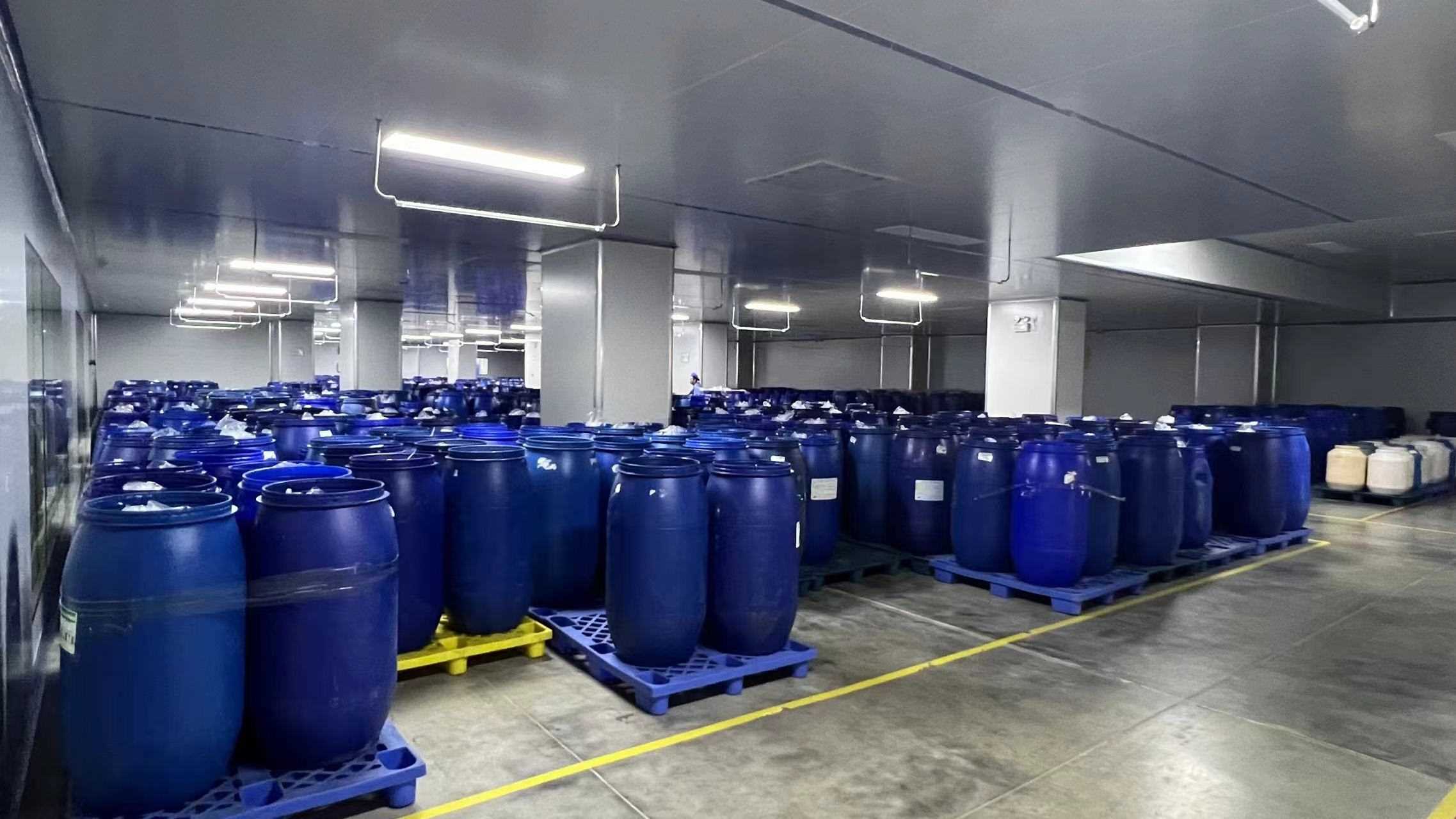
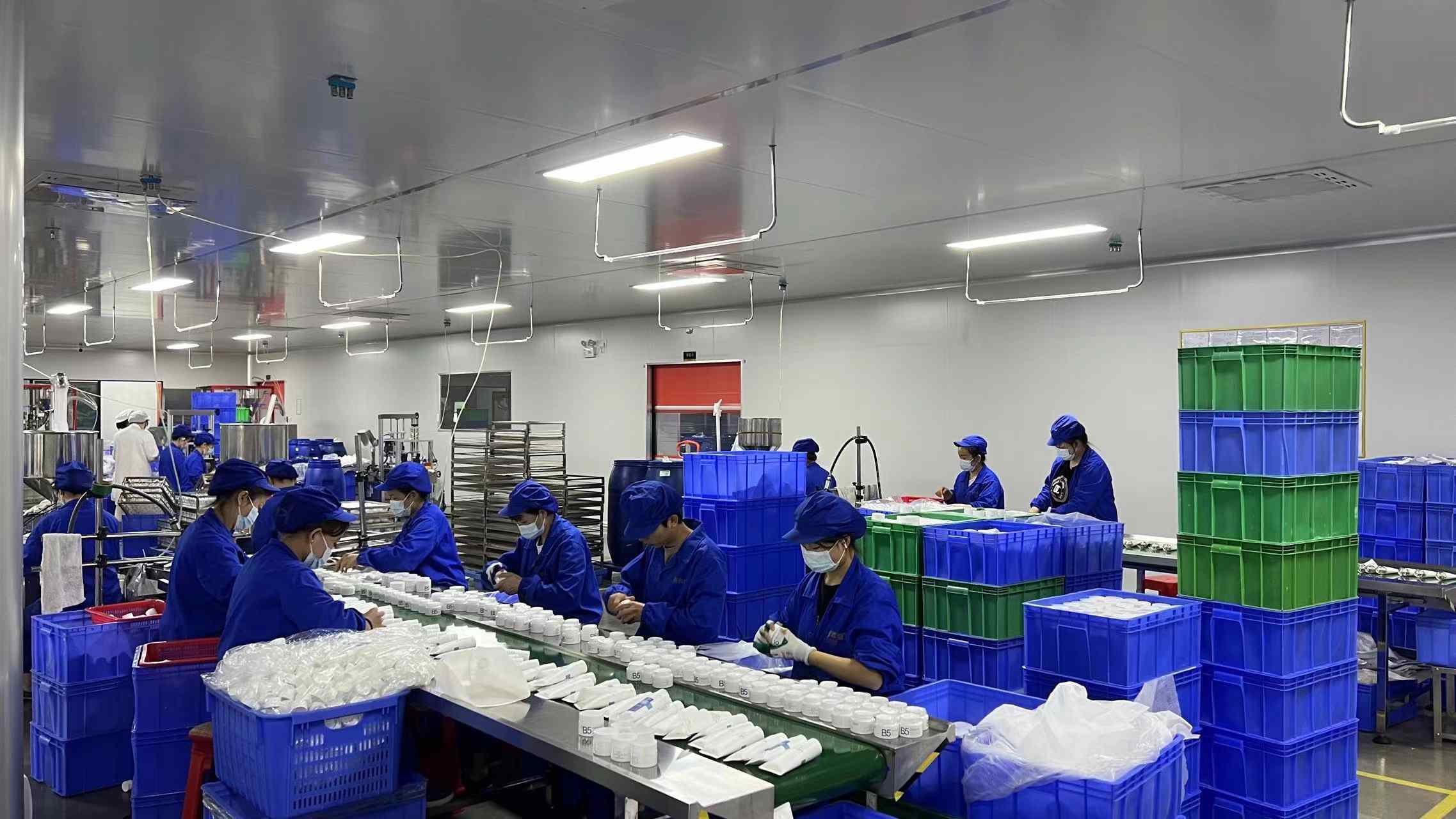
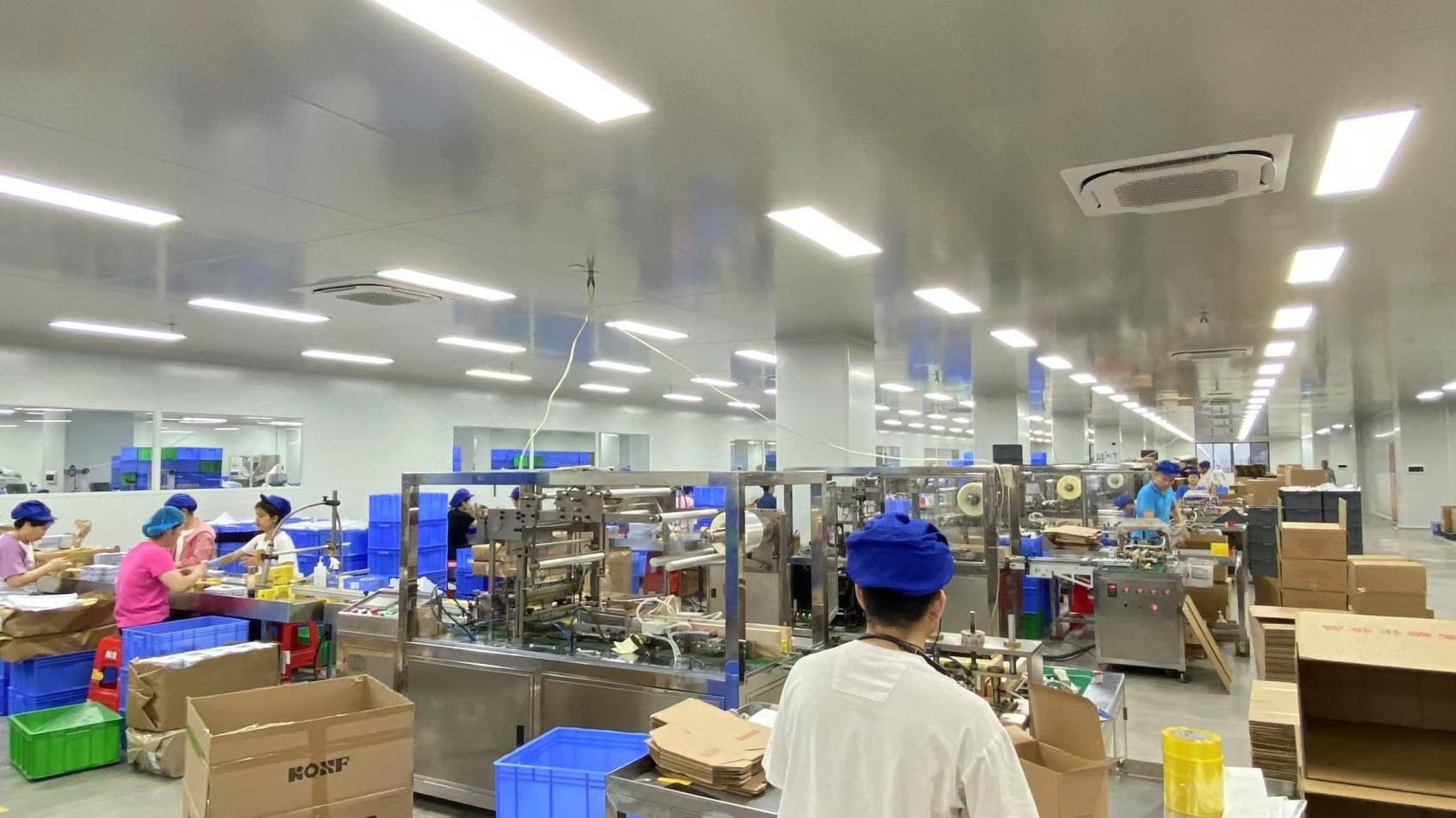
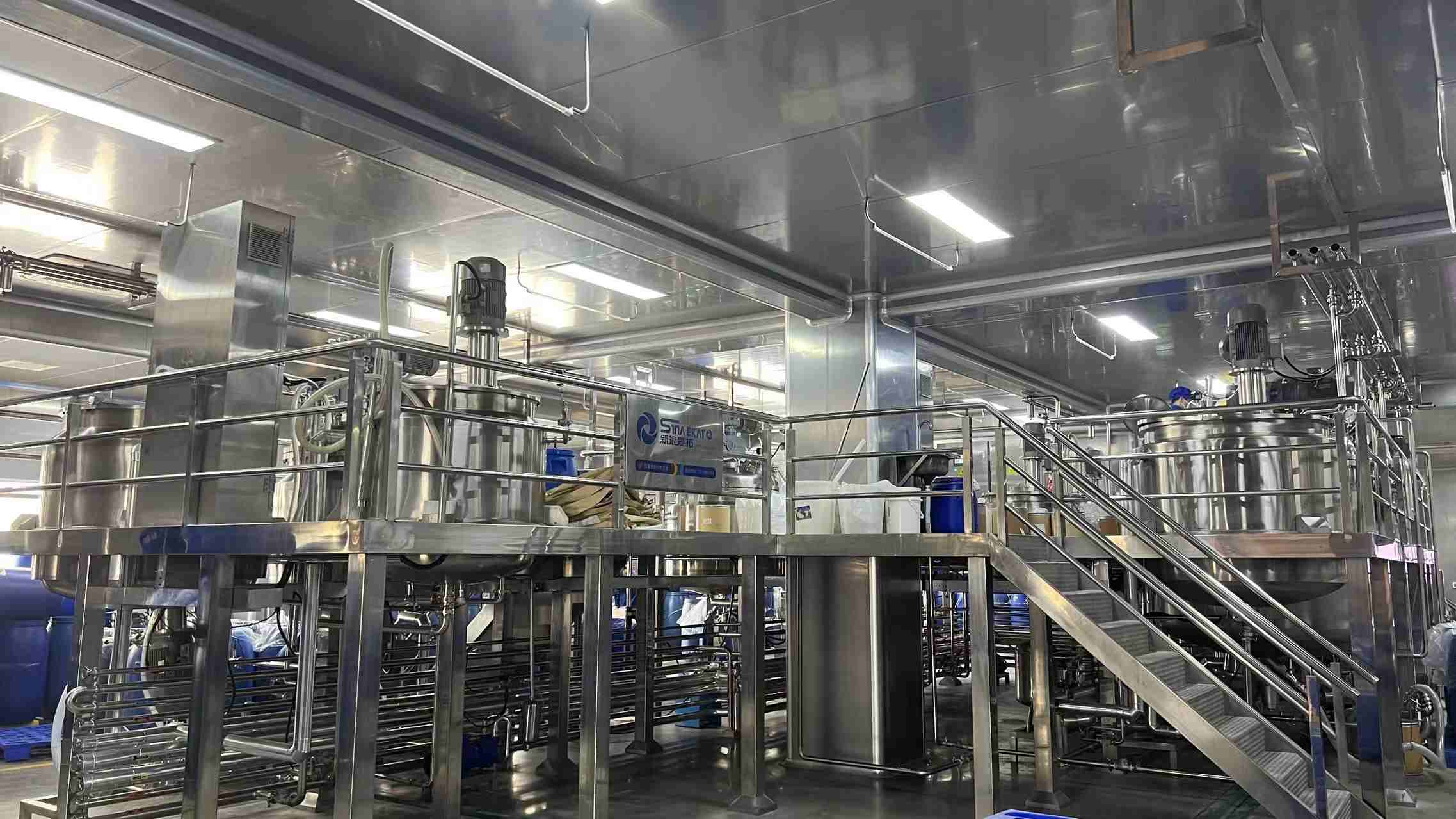
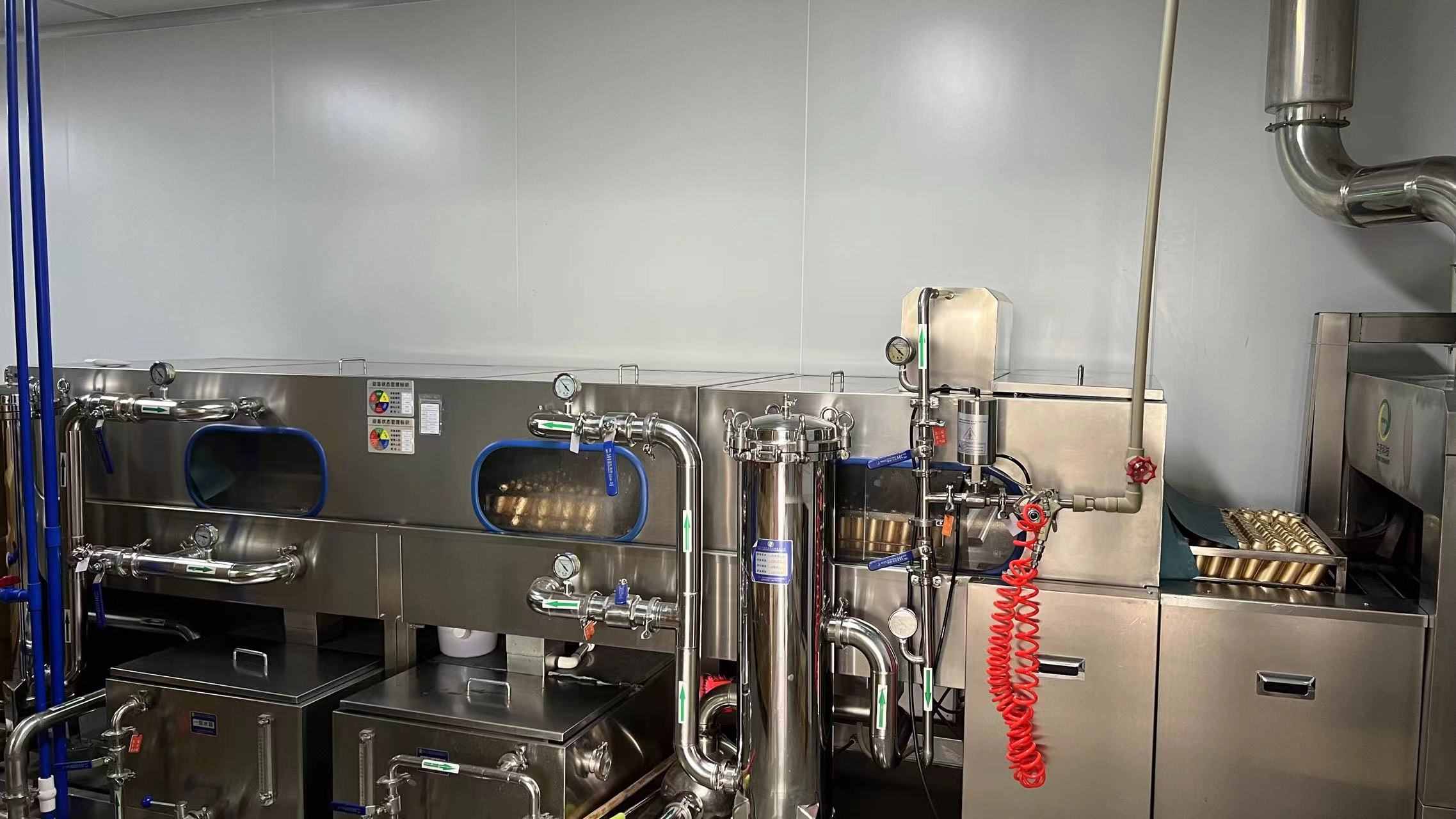
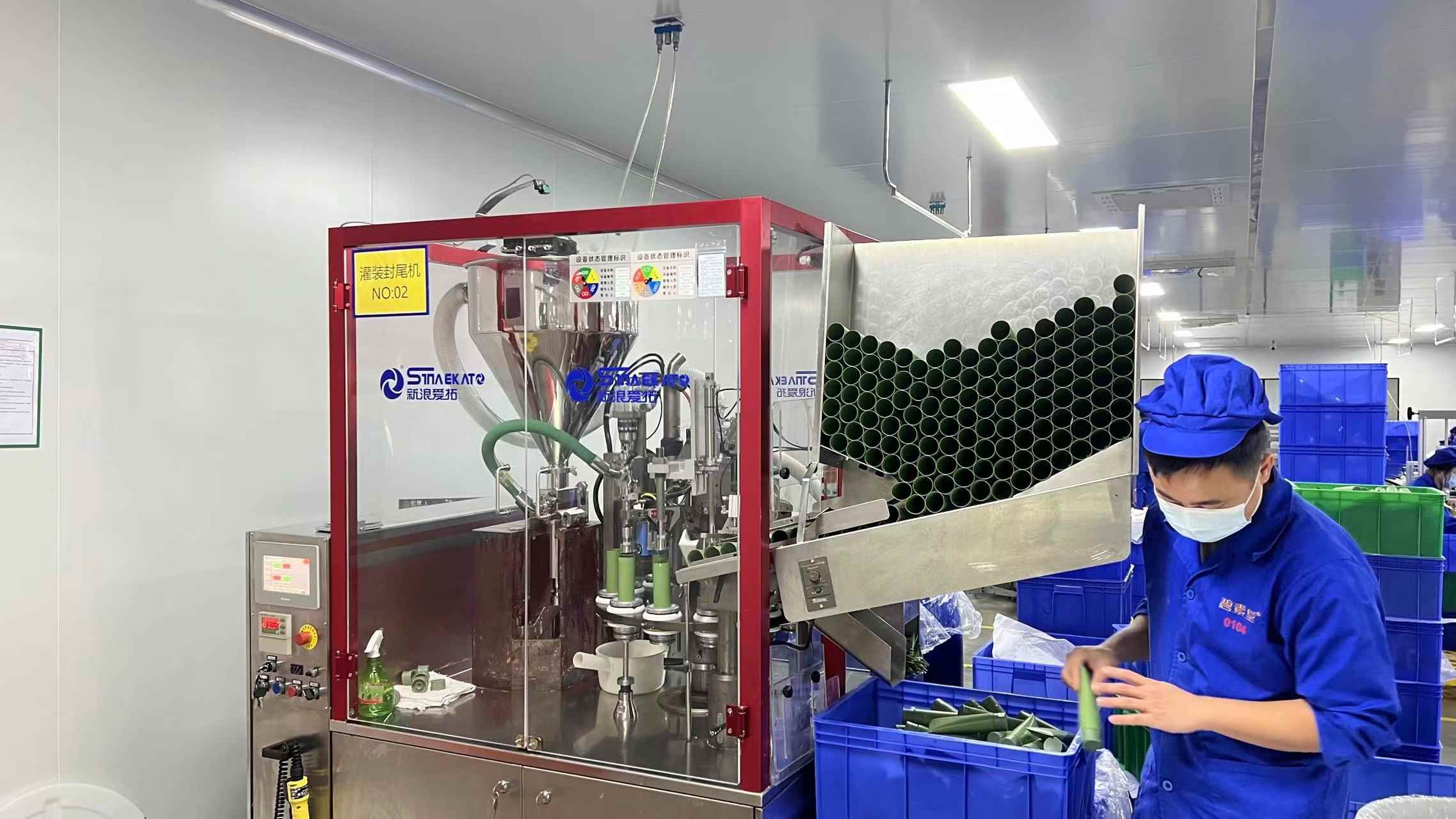
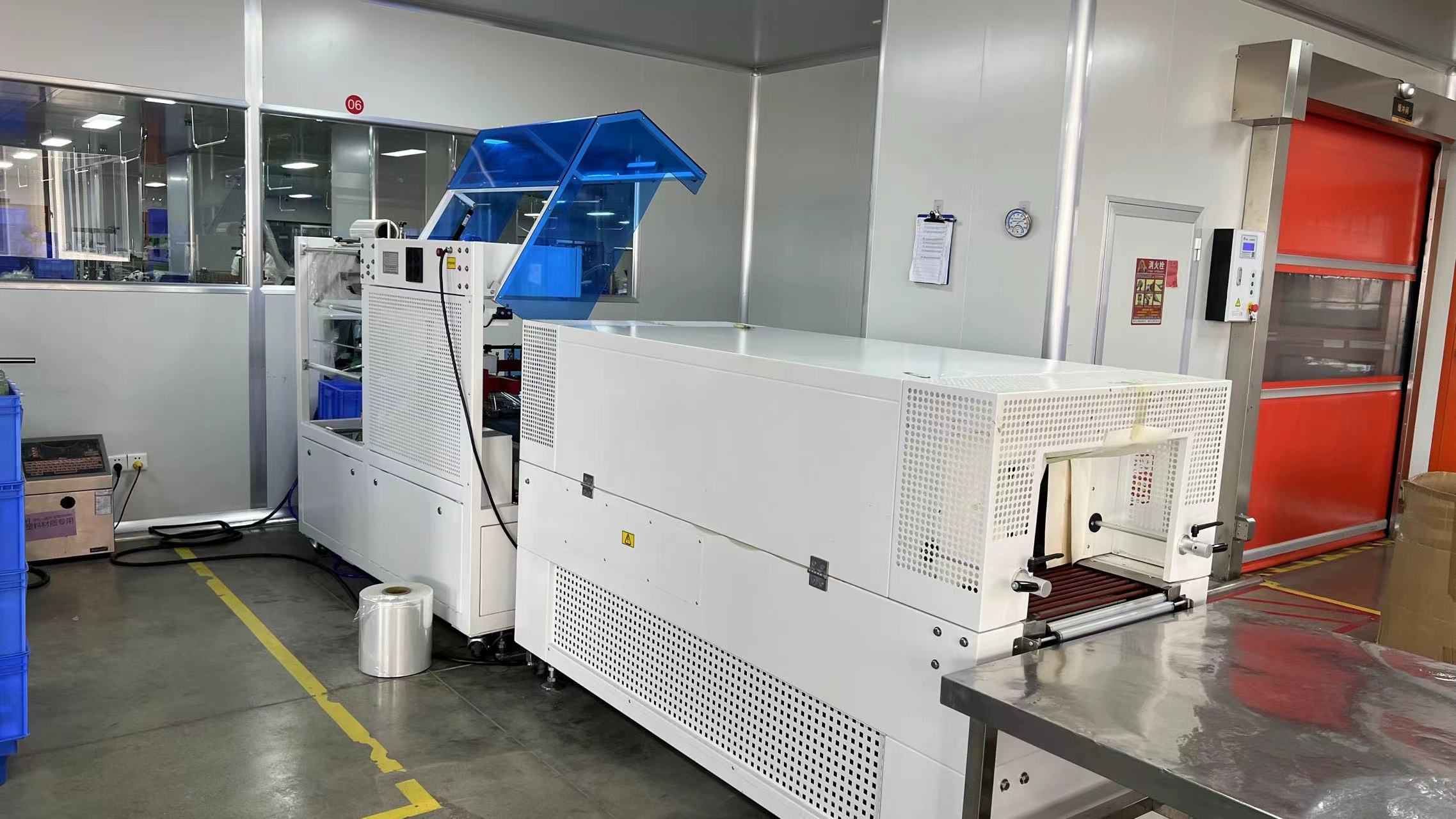
Factory Tour & Production Workflow

Inside our GMPC, ISO 22716, and FDA-registered manufacturing facilities in Guangdong, China.
Turnkey Macro-Industry Solutions

From chemical formulation design to global distribution networks—bridging the gap between concepts and commercialization.

01

Custom Formulation

Our R&D team customizes pH levels, viscosity, abrasive grain profiles, and bioactive ingredients to match target demographics, from gentle facial exfoliants to robust body scrubs.

02

Compliance & Certificates

We facilitate testing and compliance, providing all necessary documentation for CPNP (Europe), FDA/MoCRA (USA), and ISO 22716/GMPC certifications.

03

Packaging & Design

Our design team creates customized packaging solutions, optimizing structural integrity, barrier coatings, and sustainability profiles (PCR plastics, glass, aluminum tubes).

04

Automated Manufacturing

Utilizing high-speed automated filling lines, we run scale production under clean-room conditions to ensure safety, batch-to-batch consistency, and stable product quality.

Industrial Q&A: In-Depth Sourcing & Formulation FAQ

Expert technical insights to help global beauty brands make informed decisions.

1. What are the minimum order quantities (MOQ) for custom scrub formulation?
Our standard MOQ for custom-formulated body and face scrubs is typically 5,000 units per SKU. However, for specialized formulations featuring advanced active delivery systems (like encapsulated salicylic acid or botanical nano-emulsions), the minimums may adjust depending on packaging requirements and ingredient batch scaling. Contact our Project Management Team for tailored solution paths.
2. How does Guangdong Miura Beauty ensure compliance with international microplastic bans?
We are fully committed to sustainable and clean beauty standards. All of our physical exfoliating formulations are 100% microplastic-free. We use natural, biodegradable alternatives, including hydrated silica, microcrystalline wax, bamboo stem powder, volcanic ash, and jojoba esters. These materials comply with European ECHA regulations, US FDA restrictions, and domestic Chinese CSAR safety guidelines.
3. Can you manufacture scrubs suitable for sensitive or acne-prone skin?
Yes. We formulate hybrid chemical-enzymatic scrubs specifically designed for sensitive skin. These products skip abrasive physical particles in favor of mild keratolytic agents like salicylic acid, gluconolactone (PHA), and papain. By avoiding mechanical friction and maintaining a skin-compatible pH of 4.5 to 5.5, our formulations deep-clean pores without compromising the skin's moisture barrier.
4. What quality assurance standards are maintained in your facility?
Our 25,000-square-meter facility in Guangdong operates under strict GMPC and ISO 22716 guidelines. Every production run undergoes automated batch analysis, viscosity profiling, microbiological challenge testing, and heavy-metal screening. This ensures all finished products comply with regulatory standards in major target markets, including the EU, USA, Australia, and ASEAN regions.
5. Do you support private label customization of packaging and graphic design?
Yes. Our specialized Packaging & Design Team provides end-to-end support for packaging design, materials sourcing, and graphic layout. We help you choose from a wide range of options, including PCR (Post-Consumer Recycled) squeeze tubes, glass jars, and aluminum tubes, ensuring your product's packaging matches its brand identity.
6. How are active ingredients protected in water-based scrubs?
Many active ingredients, such as Vitamin C derivatives, peptides, and botanical bioactives, are prone to degradation in the presence of water. We address this by using anhydrous formulation bases or advanced multi-layer encapsulation technologies. Encapsulated actives remain stable in the emulsion and only release when massaged into the skin.
7. What is the typical lead time from formulation to shipping?
For standard formulations with existing packaging, the lead time is generally 30 to 45 days after deposit and design approval. Custom formulations that require stability testing, safety assessments, and custom packaging sourcing can take 60 to 90 days. Our Project Management Team works closely with you to set clear, predictable timelines for your launch.