The global cosmetic sector is undergoing a profound paradigm shift. The conventional emphasis on aggressive cleansing and sterilizing active ingredients is rapidly yielding to biological preservation systems. At the forefront of this biological shift is microbiome skincare, specifically targeting the skin’s ecology via prebiotic formulations. Prebiotics—primarily non-digestible carbohydrates, plant-derived oligosaccharides, and polyphenols—serve as selective nutrition sources for beneficial skin microflora (such as Staphylococcus epidermidis) while inhibiting transient pathogenic strains like Cutibacterium acnes or Staphylococcus aureus.
For global brands, sourcing reliable manufacturing partners capable of formulating stable, active, and legally compliant prebiotic products is a complex bottleneck. This whitepaper analyzes the industrial landscape of the Top 10 Prebiotic Skincare Factories and Exporters, detailing their chemical stabilization protocols, regulatory compliance profiles, and production infrastructure.
Manufacturing microbiome-oriented cosmetics requires expertise beyond typical emulsion blending. Formulas must preserve prebiotic integrity during heating stages, balance pH ranges to maintain skin barrier compatibility, and implement smart preservation systems that prevent bacterial growth in the bottle without sanitizing the skin’s resident beneficial microbes upon application.
Top factories utilize cold-processing systems and double-encapsulation techniques. Prebiotic sugars like inulin or alpha-glucan oligosaccharide must be protected from high temperatures during emulsification to prevent caramelization and loss of bio-efficacy.
Standard biocidal preservation disrupts the skin microbiome. Certified manufacturers formulate using hurdle technology: combining low water activity, airless packaging, and selective organic acids (e.g., levulinic acid, p-anisic acid) that target pathogen spores without killing beneficial resident flora.
Leading exporters collaborate with third-party testing centers to conduct genetic sequencing assays (16S rRNA sequencing) and in-vitro simulations, proving that their formulations do not negatively impact microbial biodiversity or richness index.
Based in the manufacturing powerhouse of Guangdong, China, Guangdong Miura Beauty Co. Ltd. stands as a premier full-service cosmetics manufacturer specializing in advanced OEM, ODM, and OBM solutions. By merging dermatology research, automated facilities, and customized brand support, they serve as a benchmark for high-volume, scientifically validated prebiotic skincare production.
With a state-of-the-art 25,000-square-meter manufacturing facility and 32 fully automated production lines, Miura Beauty offers large-scale scalability with high consistency. Their focus ranges from nano-emulsion delivery systems and encapsulated actives to botanical bioactives and clean beauty formulations.
Led by cosmetic chemists and formulation scientists, this team develops custom skincare solutions optimizing stability, sensorial application, and bio-activity based on global market dynamics.
Maintains strict international quality compliance (GMPC, ISO 22716) through continuous multi-phase batch testing, raw material validation, and cleanroom air monitoring.
Creates end-to-end custom aesthetic profiles, focusing on functional, protective, and sustainable packaging materials to minimize oxidation.
Our Mission: To deliver safe, effective, and innovative skincare solutions through advanced manufacturing and scientific formulation—helping global beauty brands develop faster, scale efficiently, and succeed in competitive markets.
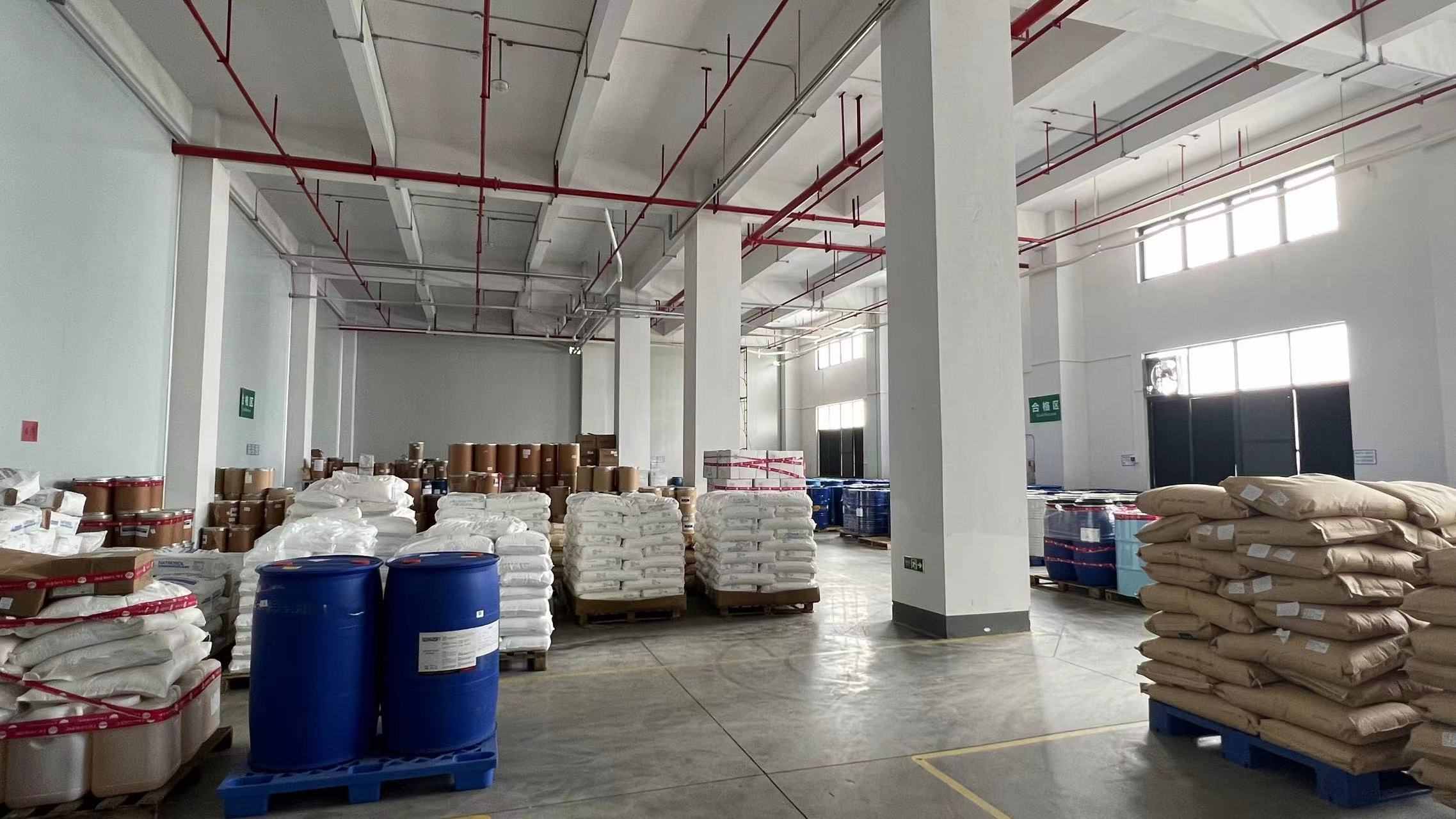
Raw Materials
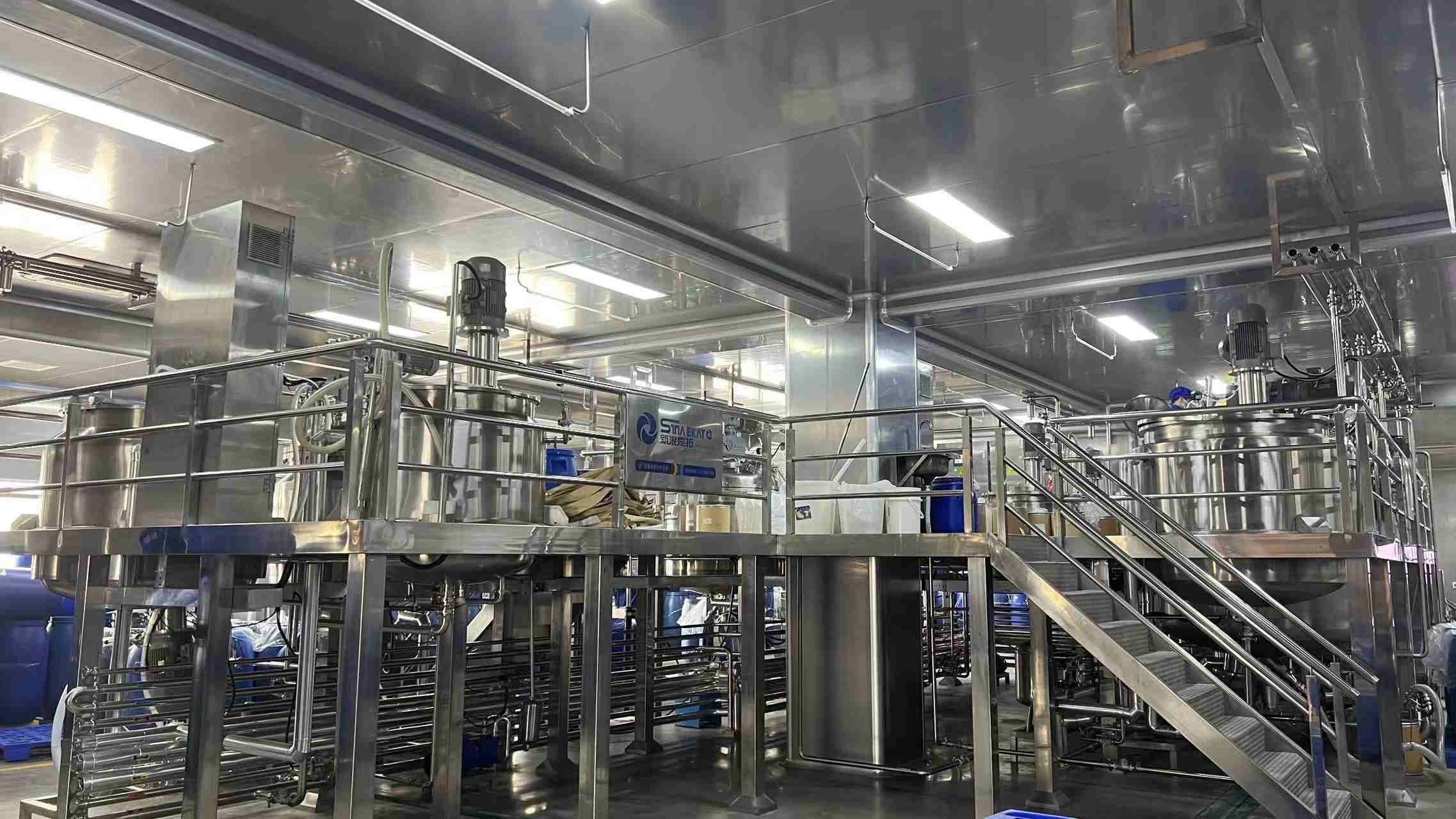
Emulsifying
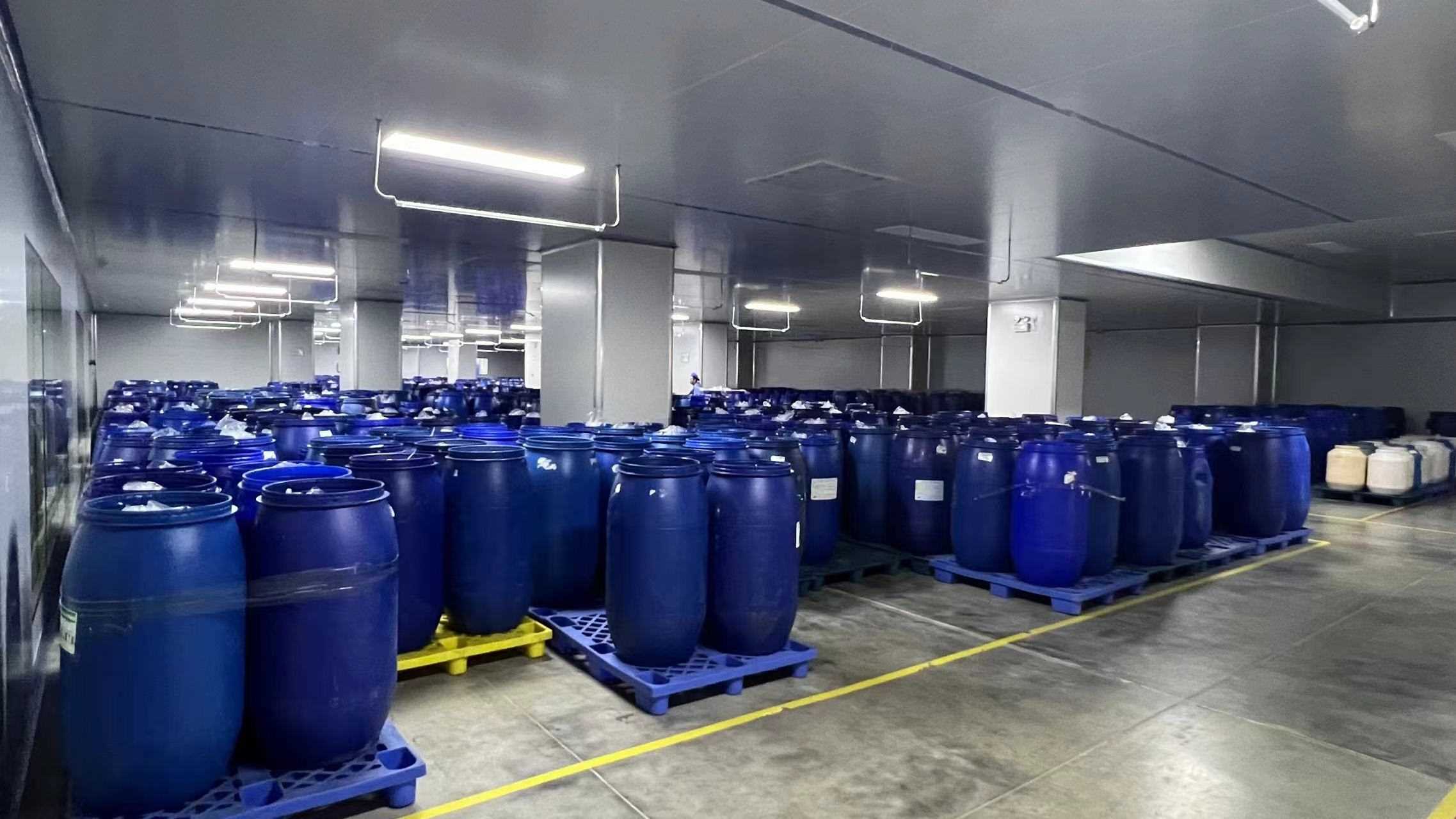
Standing
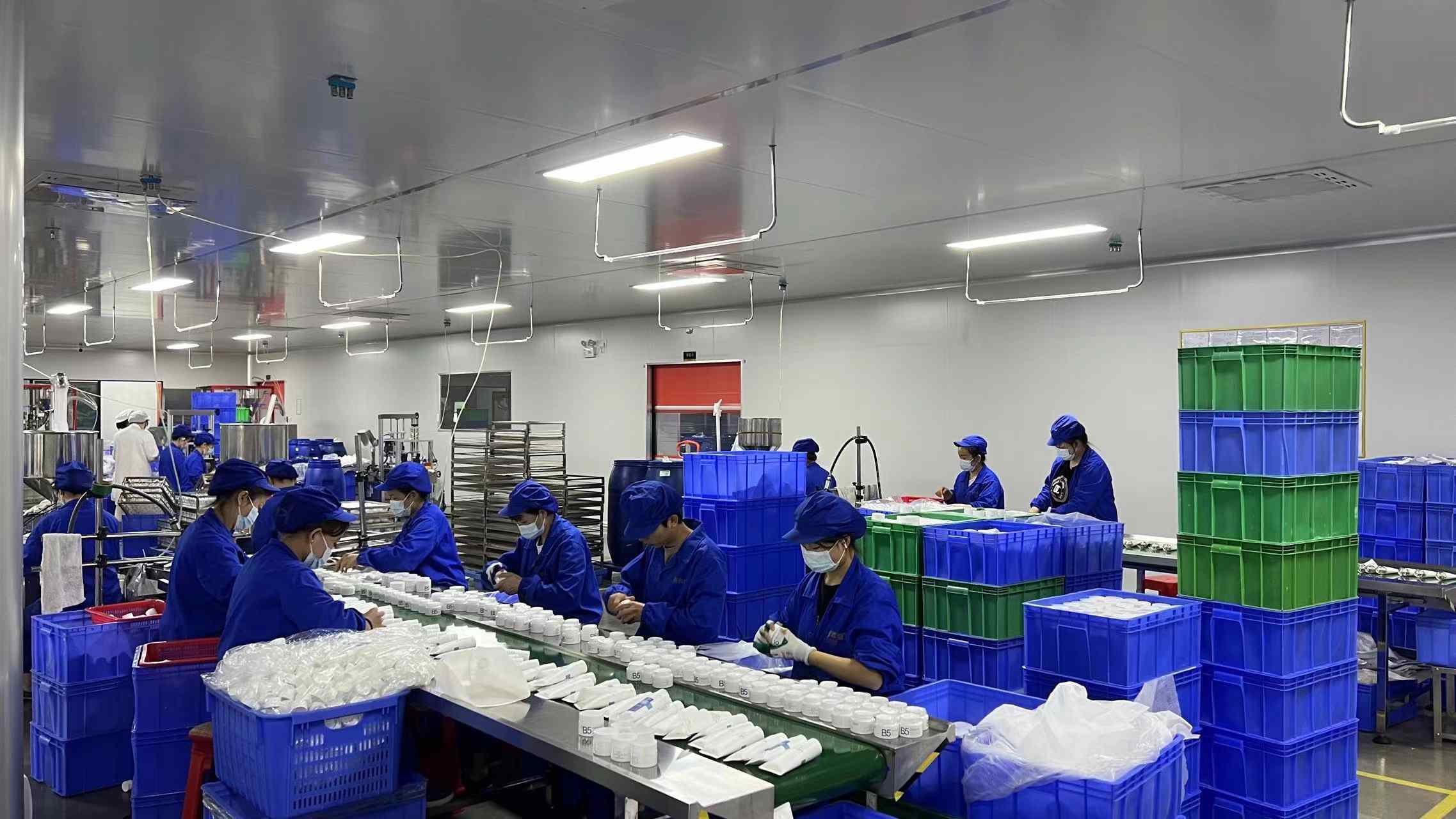
Filling
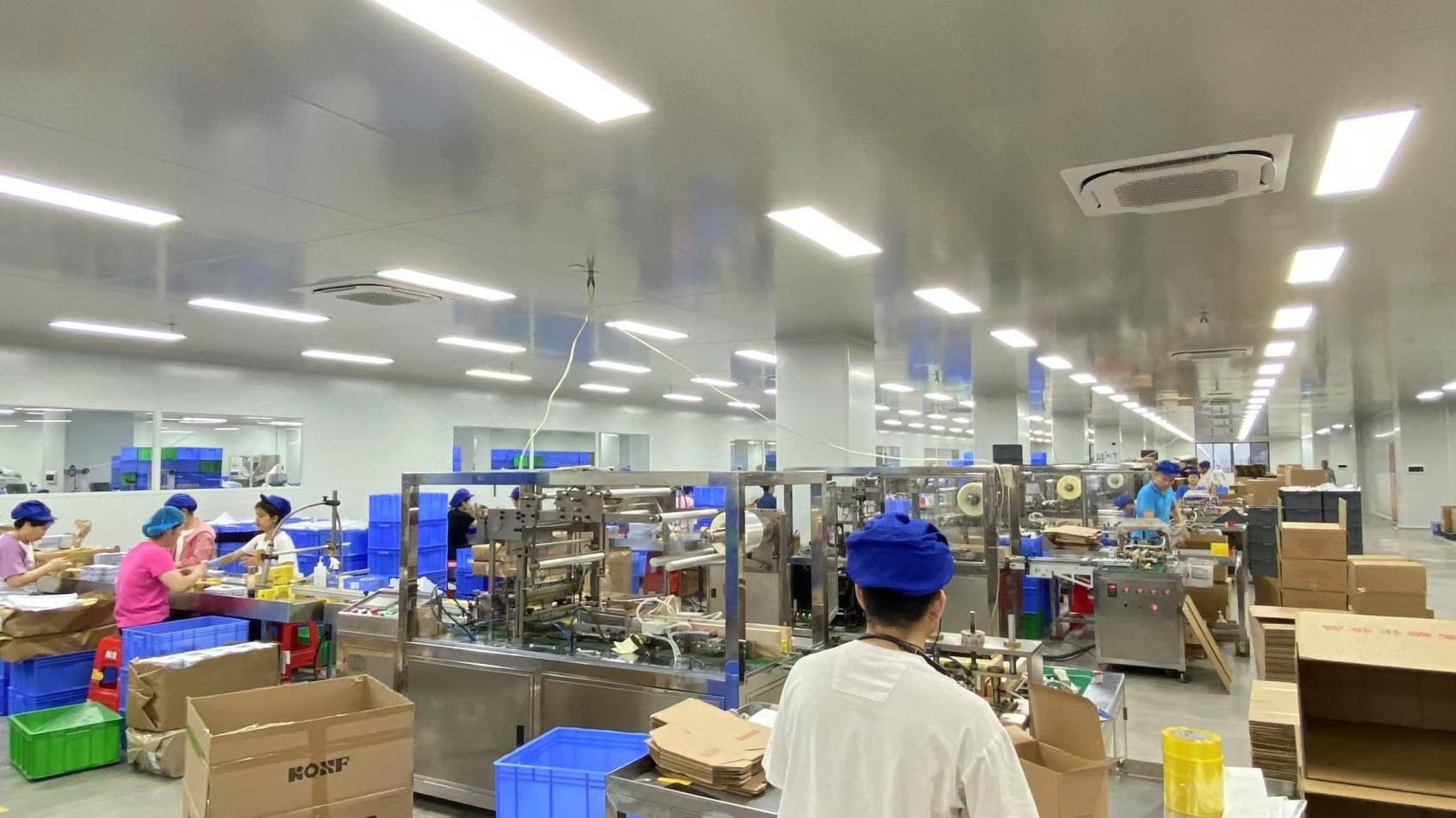
Packaging
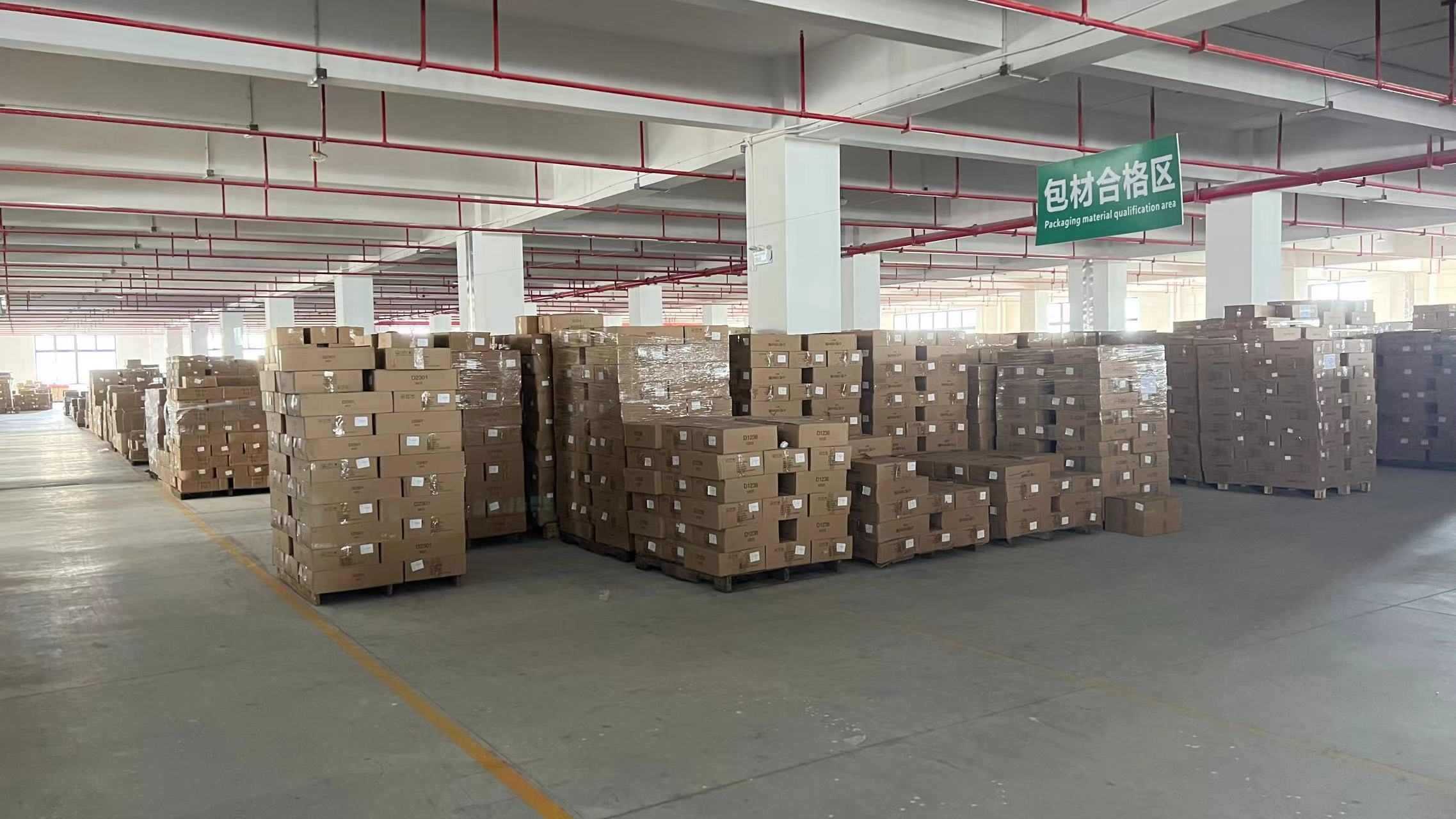
Warehouse
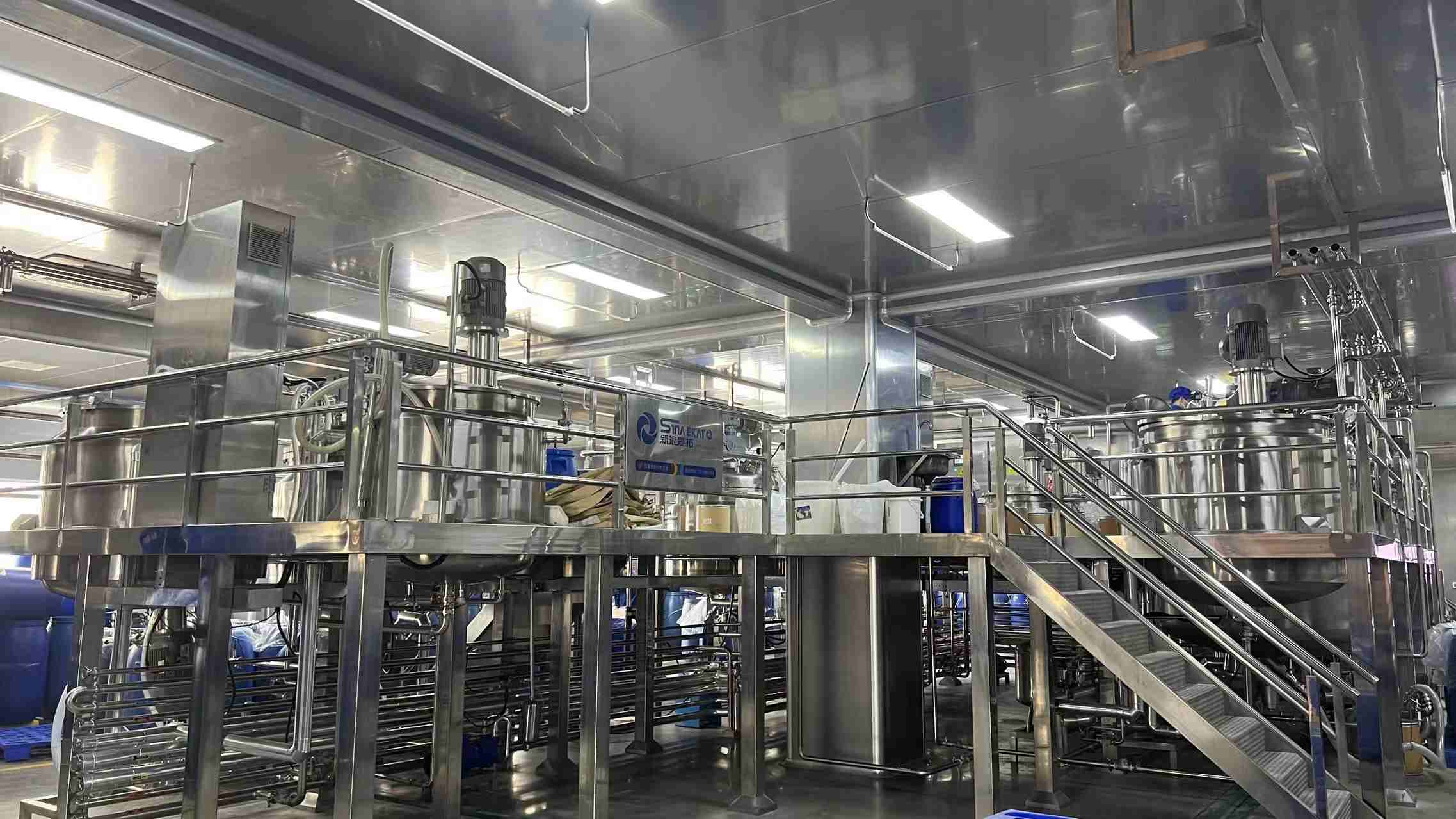
Emulsifying Pot
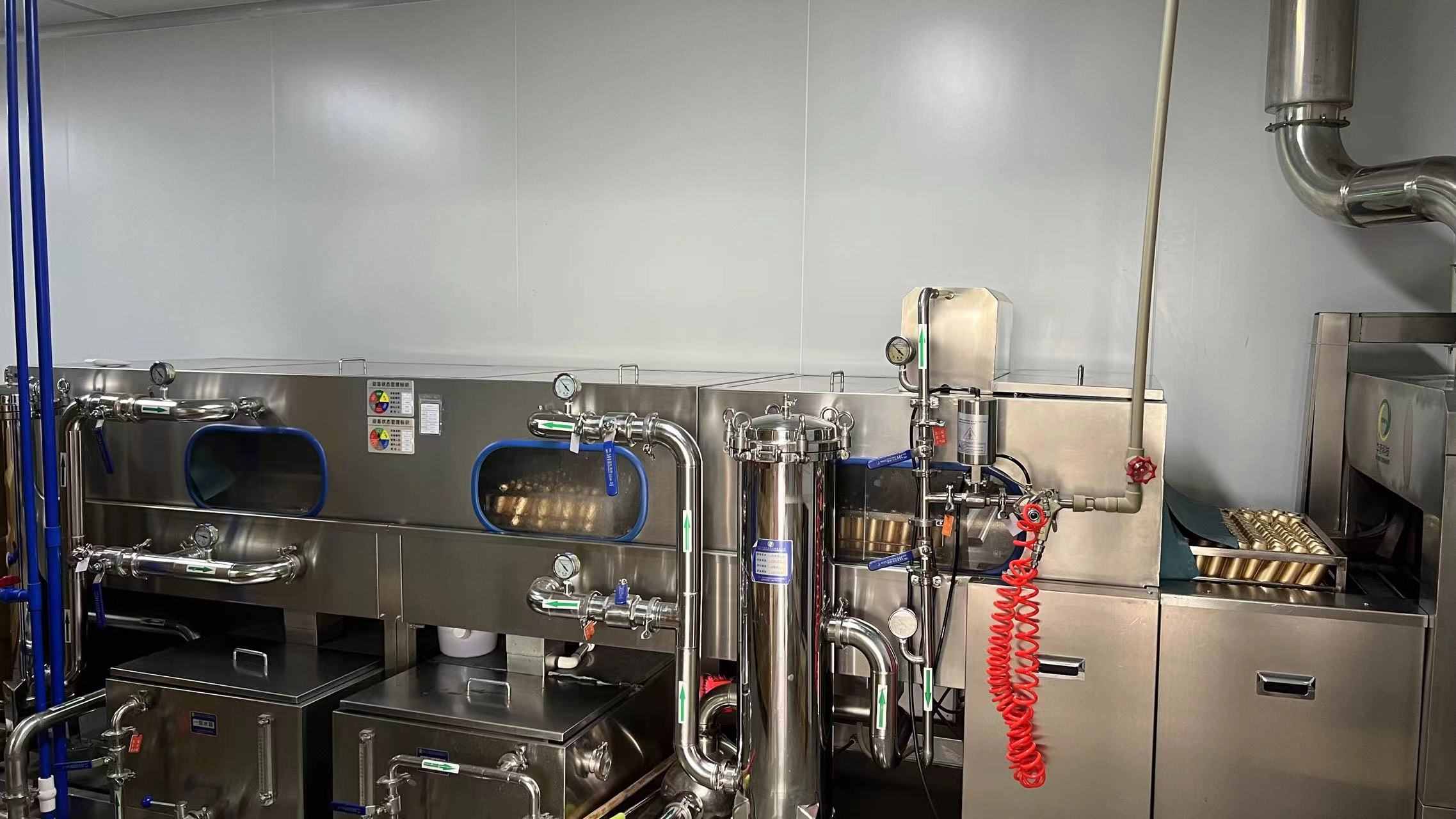
Bottle Washing Machine
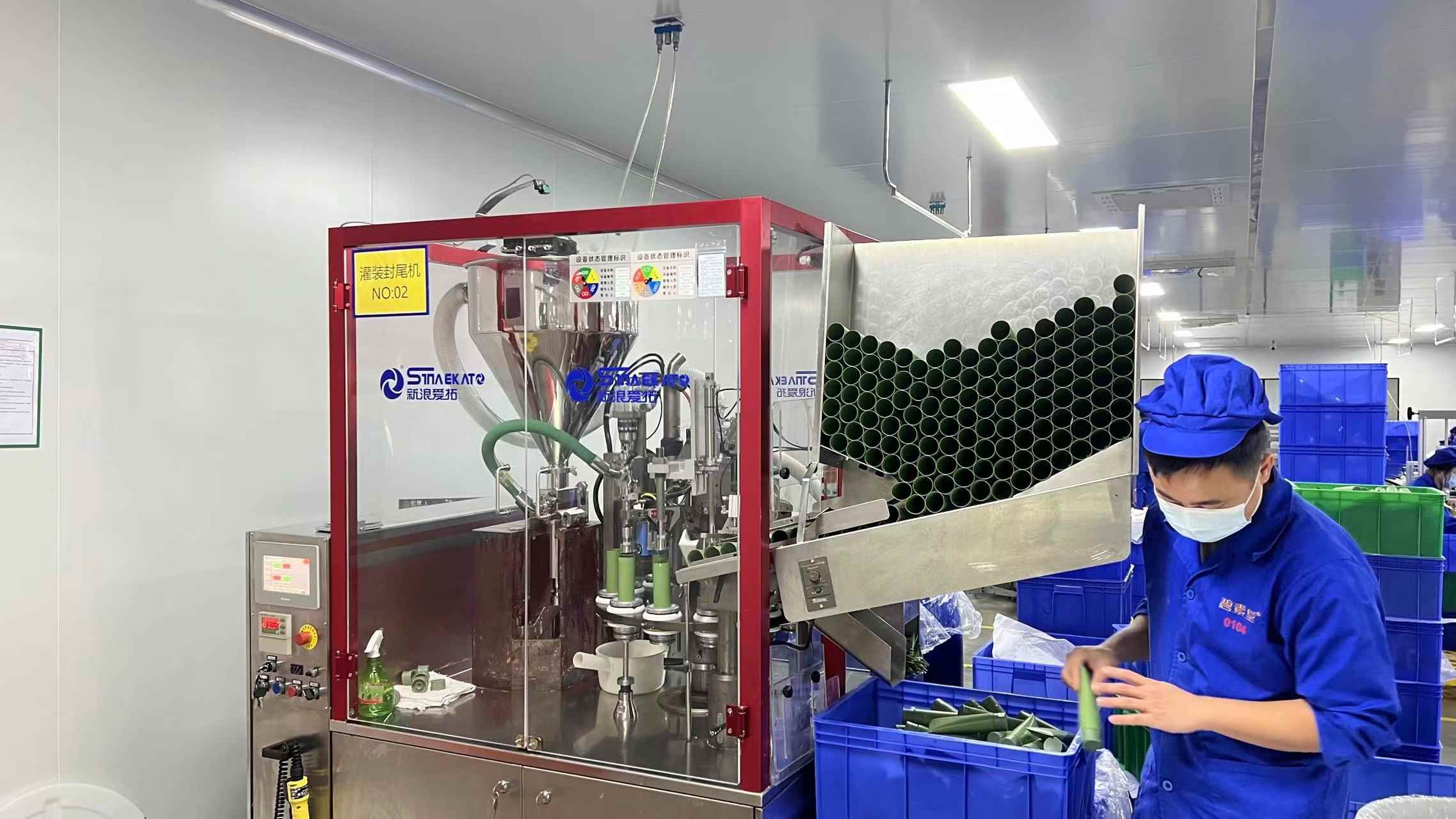
Tail Sealing Filling Machine
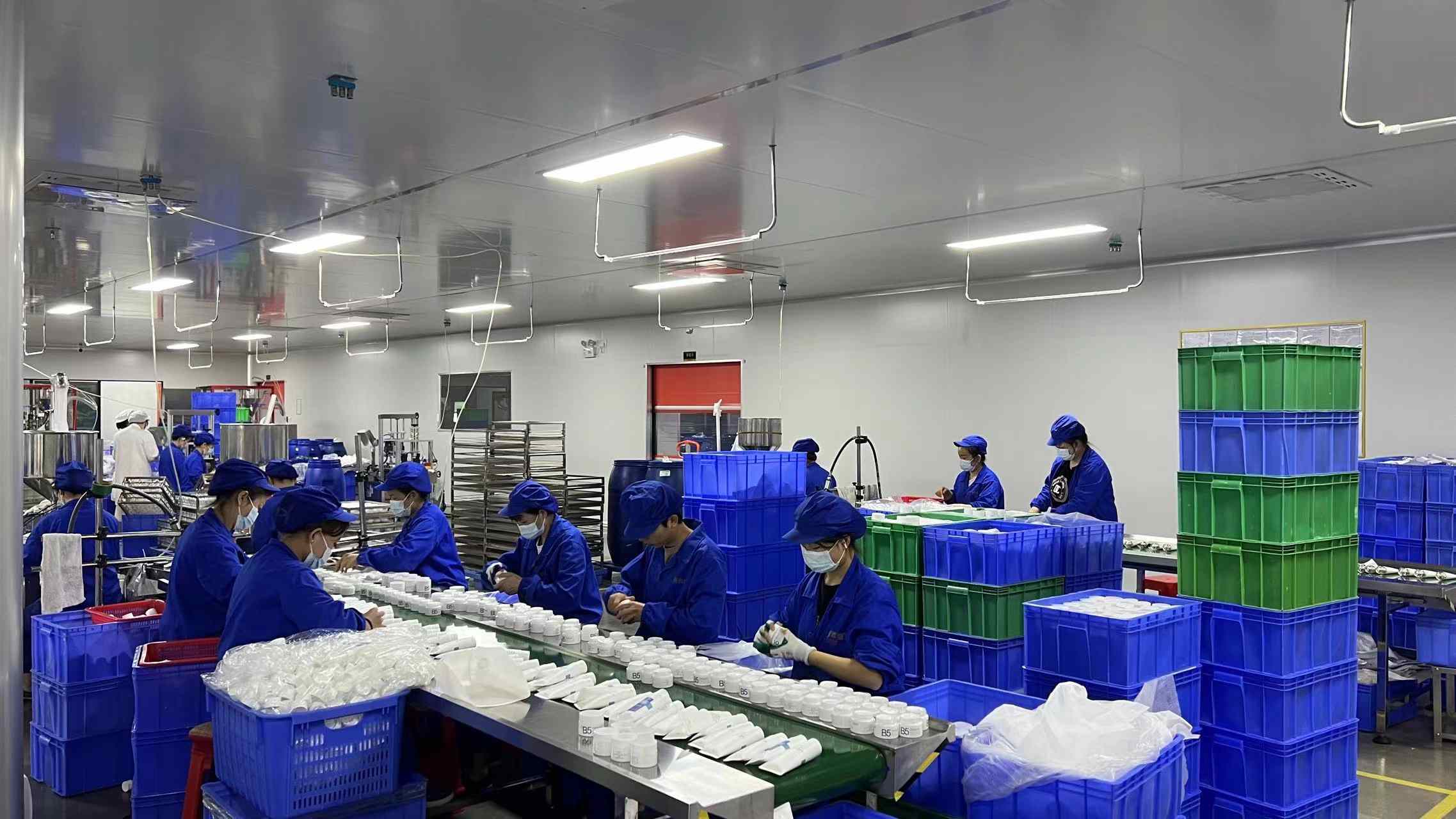
Filling Line
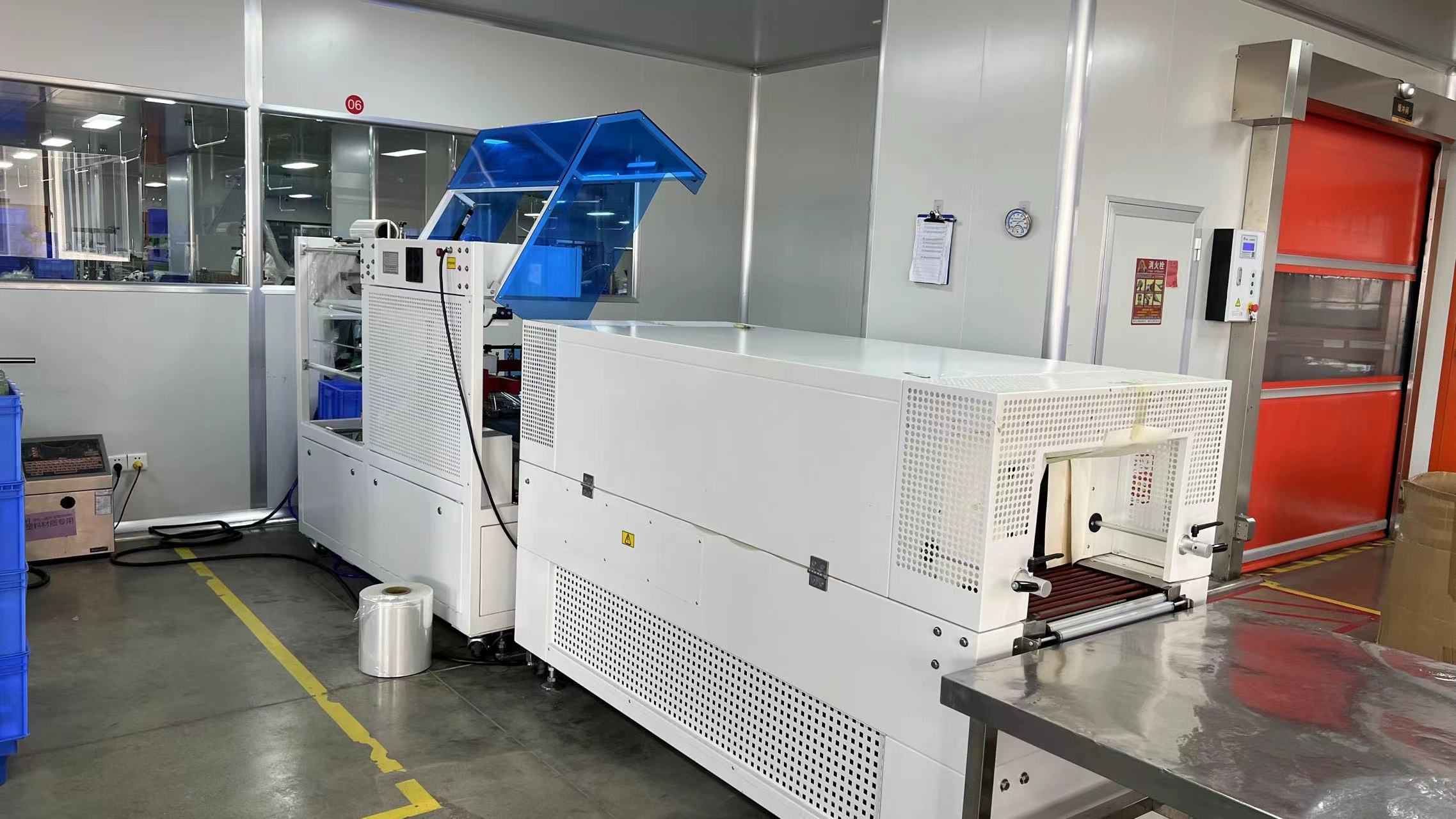
Packaging Machine
Achieving a therapeutic skin barrier benefit requires precise pairing of prebiotic compounds with supportive active ingredients. When formulating for commercial distribution, the raw prebiotic material must remain bio-available without interacting negatively with other ingredients in the formula.
Extracted from chicory root or agave, these long-chain sugars act as selective energy sources for saprophytic bacteria, boosting natural antimicrobial peptide (AMP) production on the skin.
Optimal pH Range: 4.8 – 5.5 | Thermal Threshold: <75°C
Extracted from oat kernels or cell walls, these polymers stimulate macrophage activity, reduce UV-induced erythema, and lock in moisture to support skin hydration.
Optimal pH Range: 4.0 – 6.5 | Thermal Threshold: <80°C
Synthesized through enzymatic biocatalysis, this prebiotic molecule reinforces the physical barrier of the stratum corneum by promoting lipid synthesis and ceramide production.
Optimal pH Range: 4.5 – 6.0 | Thermal Threshold: <70°C
Developing products for international markets requires compliance with varying regional cosmetics laws. Exporting factories must provide comprehensive compliance packages to ensure smooth border clearance and consumer safety:
Mandatory product listings, safety substantiation dossiers, and strict adverse event reporting systems. Formula structures must avoid prohibited colorants and prioritize clean-label preservation options.
Requires the compilation of a detailed Product Information File (PIF), a certified safety assessment (CPSR) signed by an authorized toxicologist, and registration through the CPNP portal.
Requires animal testing alternatives validation, raw material safety info codes, and clinical efficacy reports for functional claims (e.g., skin barrier repair, brightening).
The future of prebiotic skincare lies at the intersection of biotechnology, personalization, and artificial intelligence. Top-tier manufacturers are scaling their capabilities to move beyond one-size-fits-all formulations to adaptive microbiome-modulating solutions.
Deriving prebiotic sugars from upcycled agricultural by-products (e.g., fruit peels, coffee husks) via enzymatic biocatalysis, ensuring fully sustainable and circular raw material sourcing.
Integrating smart hardware like 3D AI skin analyzers to assess moisture levels, sebum rates, and barrier health in real-time, allowing brands to customize prebiotic ratios on demand.
Developing dry-powder formulas and waterless delivery systems to incorporate live probiotic strains alongside prebiotic substrates, resolving the historical shelf-life issues of live cultures in cosmetics.
Q1: What is the typical Minimum Order Quantity (MOQ) for custom prebiotic formulas?
Generally, standard OEM liquid and serum formulations start at 3,000 to 5,000 units. High-complexity formulations, such as freeze-dried prebiotic tablets or double-encapsulated creams, may require 10,000 units due to machine calibration and raw material processing parameters.
Q2: How do factories verify that the prebiotic ingredients remain active after pasteurization?
Top factories utilize high-performance liquid chromatography (HPLC) to verify prebiotic molecule density before and after manufacturing. Additionally, in-vitro colony counting assays are performed to ensure the finished product supports the growth of target beneficial microbes.
Q3: Can prebiotic skincare be formulated with traditional preservatives?
Yes, but it requires careful selection. Heavy-handed biocides will eliminate the prebiotic's target benefits by destroying the skin's microflora. Factories utilize gentle, food-grade preservatives and synergists, such as caprylyl glycol, ethylhexylglycerin, and organic acids, within airless dispenser packaging.
Q4: Are the formulations suitable for sensitive or eczema-prone skin?
Prebiotics are highly suited for compromised barriers. Factories test these formulas for hypoallergenic compliance, often conducting patch tests (HRIPT) on sensitive human subjects to confirm the absence of irritation or contact dermatitis.
 Miura Beauty