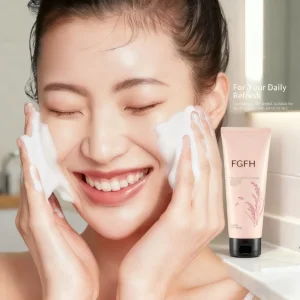
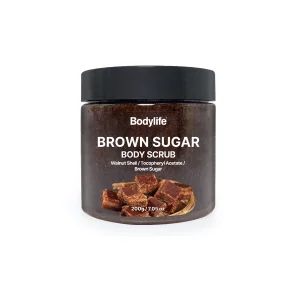
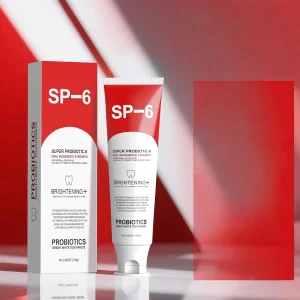
Explore our premium grade products designed for maximum efficacy, physiological safety, and rapid market deployment.
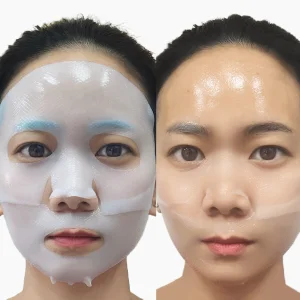
An in-depth look at global market size, consumer evolution, and the clinical shift toward biomimetic path-inhibition.
The global skin brightening market is undergoing a fundamental transformation. What was once defined by harsh, non-selective chemical bleaching agents has evolved into a sophisticated, science-led sector worth over USD 9.5 billion globally, projected to reach USD 15 billion by 2030. The catalyst for this change is two-fold: stricter international regulatory bans on hazardous compounds (such as hydroquinone, mercury, and systemic steroids) and a hyper-aware B2B buyer landscape demands physiological safety, cellular pathway specificity, and clean-beauty compatibility.
Modern consumers are not looking to alter their natural skin tone; rather, they seek to correct hyperpigmentation, combat post-inflammatory hyperpigmentation (PIH) caused by acne or sun damage, and achieve a uniform, luminous complexion. Consequently, modern skin brightening treatments must target the biochemical pathways of melanogenesis—specifically tyrosinase synthesis, melanosome transfer, and inflammatory mediators—without damaging the skin's protective lipid barrier.
Geographically, procurement strategies vary. North American and European brands prioritize clinical-strength, bio-complex formulations that feature botanical actives like SymWhite 377, Alpha-Arbutin, Niacinamide, and Glutathione. The Asia-Pacific market continues to dominate sheer volume, with consumers seeking immediate transdermal efficacy coupled with intense hydration. For global brands to stay competitive, partnering with a high-capacity, scientifically rigorous factory is no longer optional—it is a critical operational prerequisite.
How raw material clusters, supply chain vertical integration, and advanced automation drive cost-efficiency.
China's Guangdong province represents the epicenter of global cosmetic manufacturing, combining raw material synthesis with advanced machinery clusters. At Guangdong Miura Beauty Co. Ltd., we utilize this geographic leverage to provide full-service OEM, ODM, and OBM cosmetics solutions. Our facility bridges the gap between high-level laboratory research and mass-scale commercialization, offering a seamless pipeline from raw material selection to automated bottle filling.
The core advantage of manufacturing in China is the deep vertical integration of the supply chain. From micro-emulsification technology and glass vial blow-molding to premium-grade packaging design, every step of the process is localized. This proximity reduces transit latency, minimizes transport emissions, and significantly lowers per-unit manufacturing costs without sacrificing quality control. Brands sourcing from North America or Europe can achieve up to 40% cost amortization by shifting their formulation and packaging processes to our dedicated facility.
Led by expert cosmetic chemists, we design customized solutions optimizing product texture, pH levels, bio-stability, and delivery performance based on real-time market trends.
We mandate absolute conformity to global standards. Every batch undergoes strict compliance audits, microbial assays, heavy metal scans, and stability tests before export.
From primary packaging design, custom glass mold creation, to logistics handling, our cross-functional team ensures zero-barrier communication and fast lead times.
Exploring cellular melanogenesis, chemical pathway inhibition, and stability engineering in skin brightening formulations.
Effective skin brightening requires a multi-targeted approach. High-performance treatments do not rely on a single miracle ingredient; instead, they combine complementary actives to intercept melanin synthesis at multiple biological stages:
At Guangdong Miura Beauty Co. Ltd., our core scientific breakthrough lies in our nano-emulsion and liposomal encapsulation delivery systems. These technologies protect unstable actives—like pure L-Ascorbic Acid—from premature oxidation while enhancing transdermal absorption. This ensures that the active molecules bypass the stratum corneum barrier to release within target epidermal layers, yielding clinical results with minimal skin irritation.
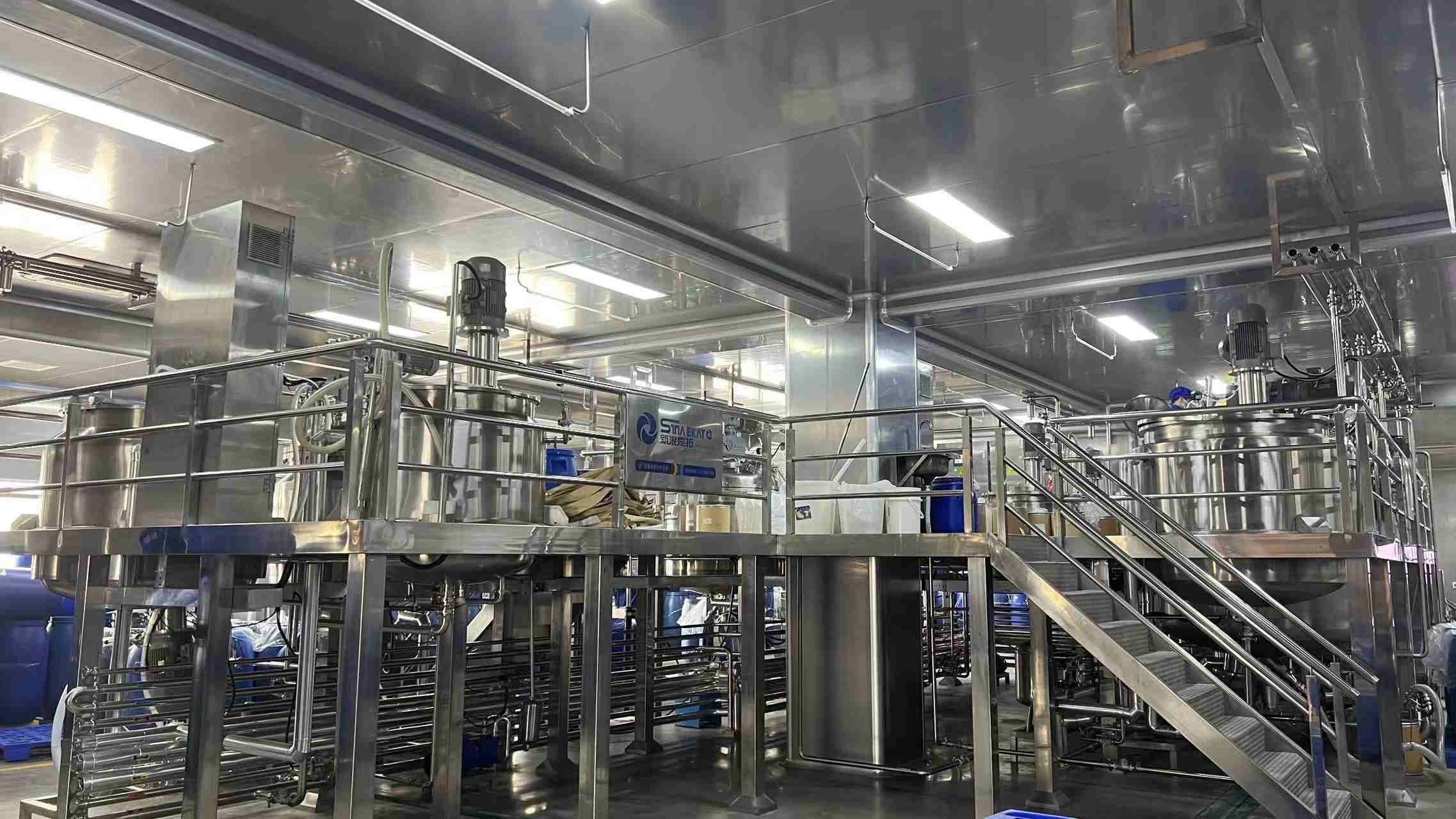
Step-by-step insight into our advanced manufacturing, sterilization, and automated packaging workflows.
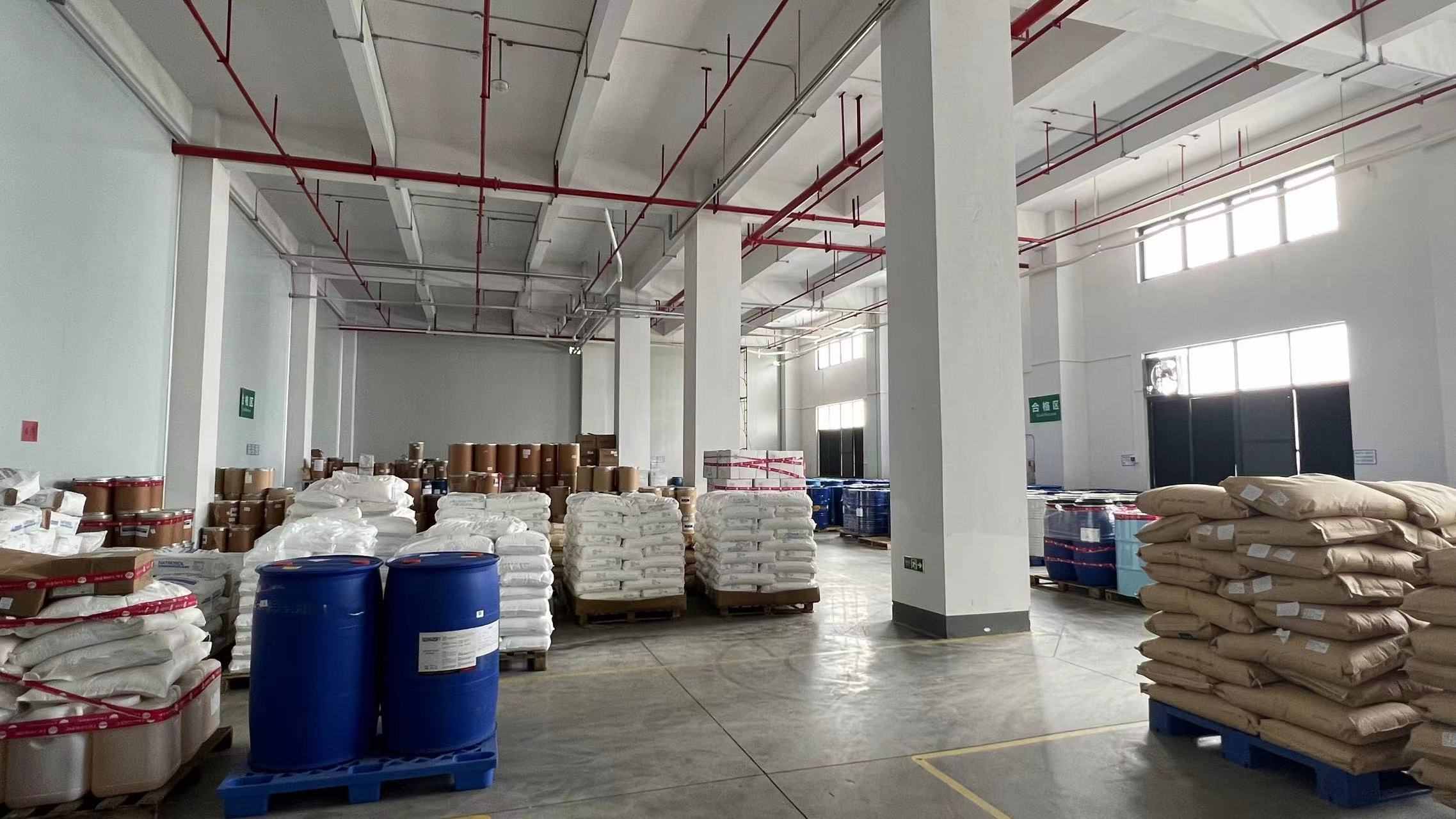
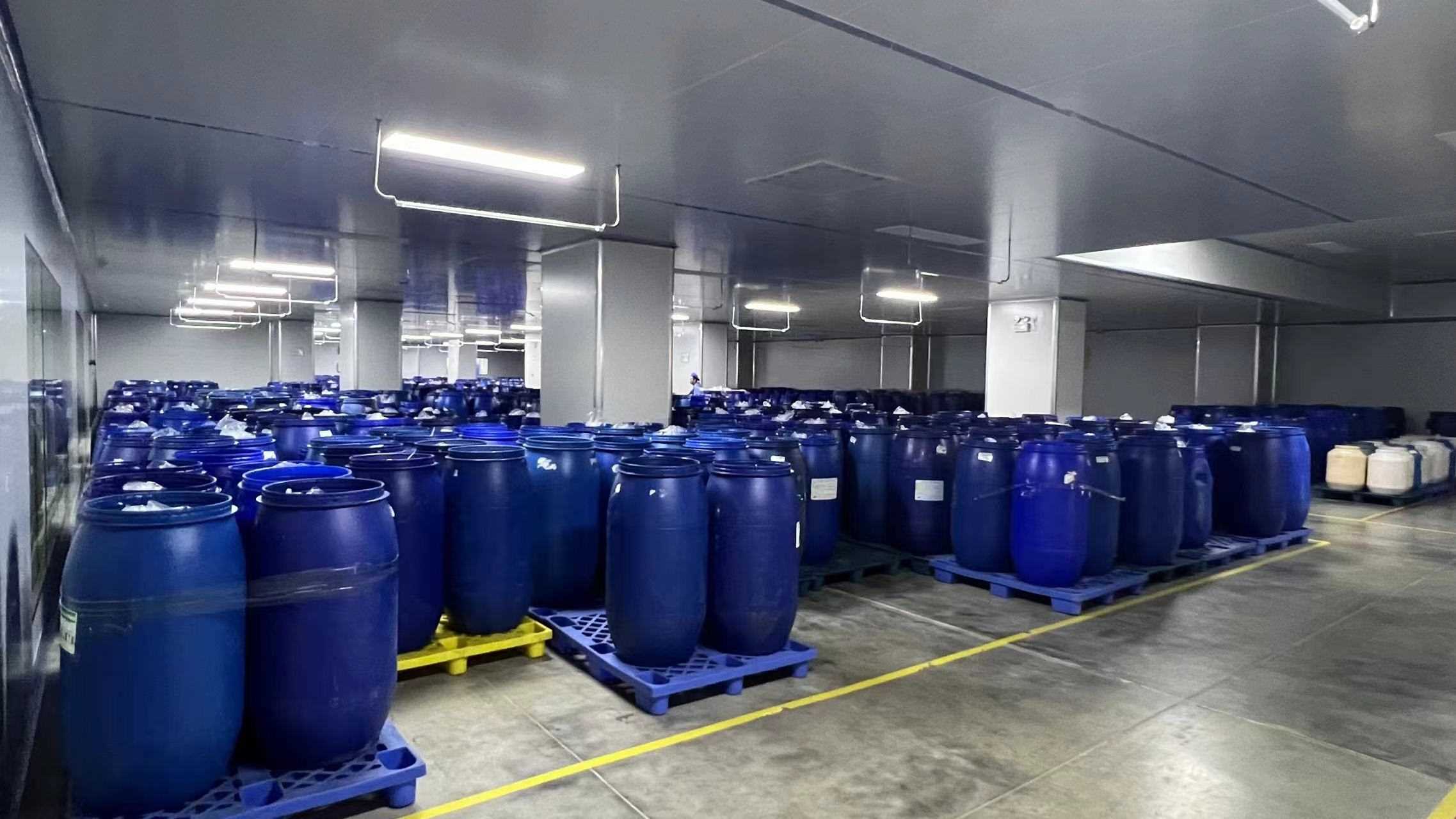
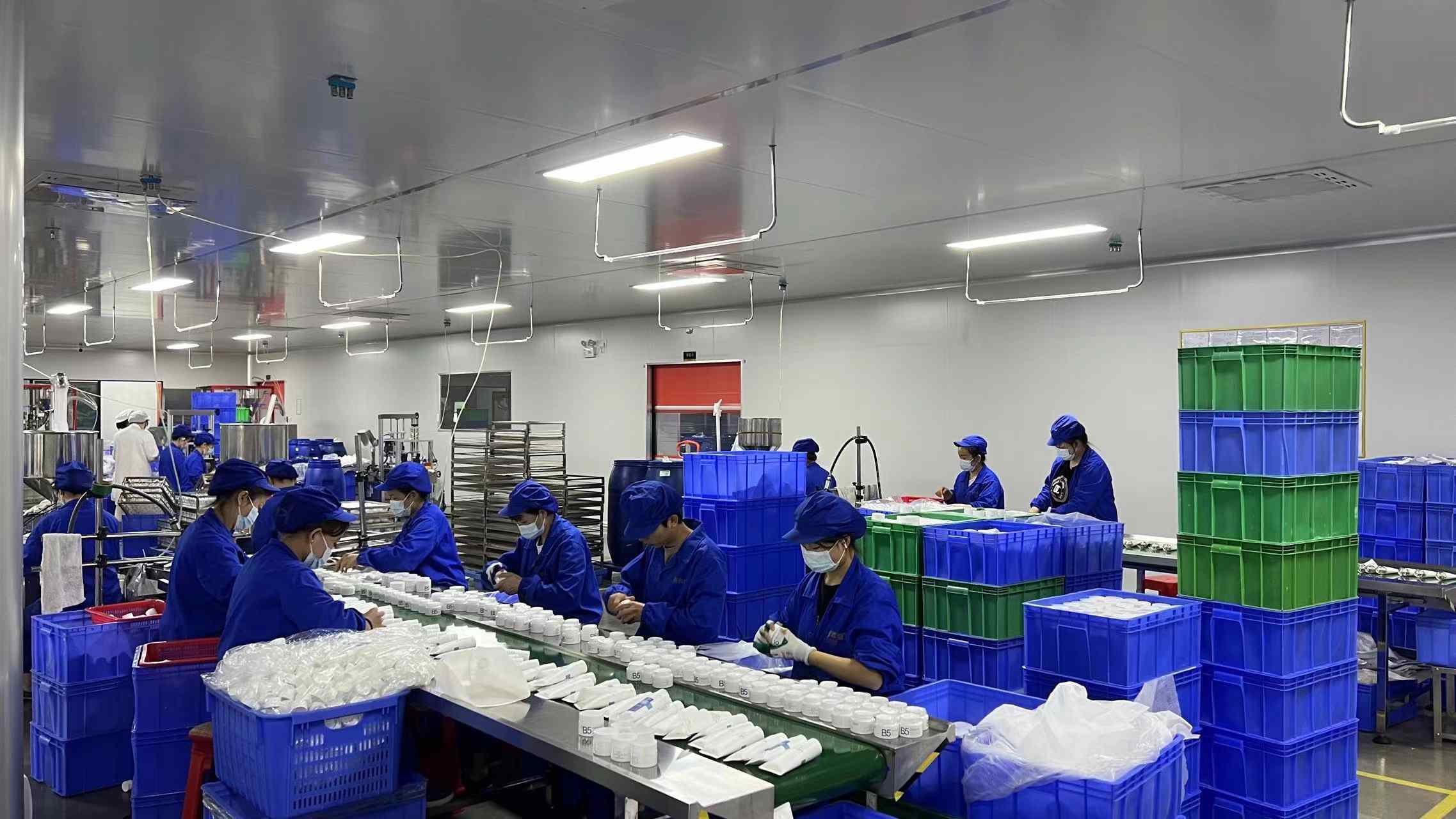
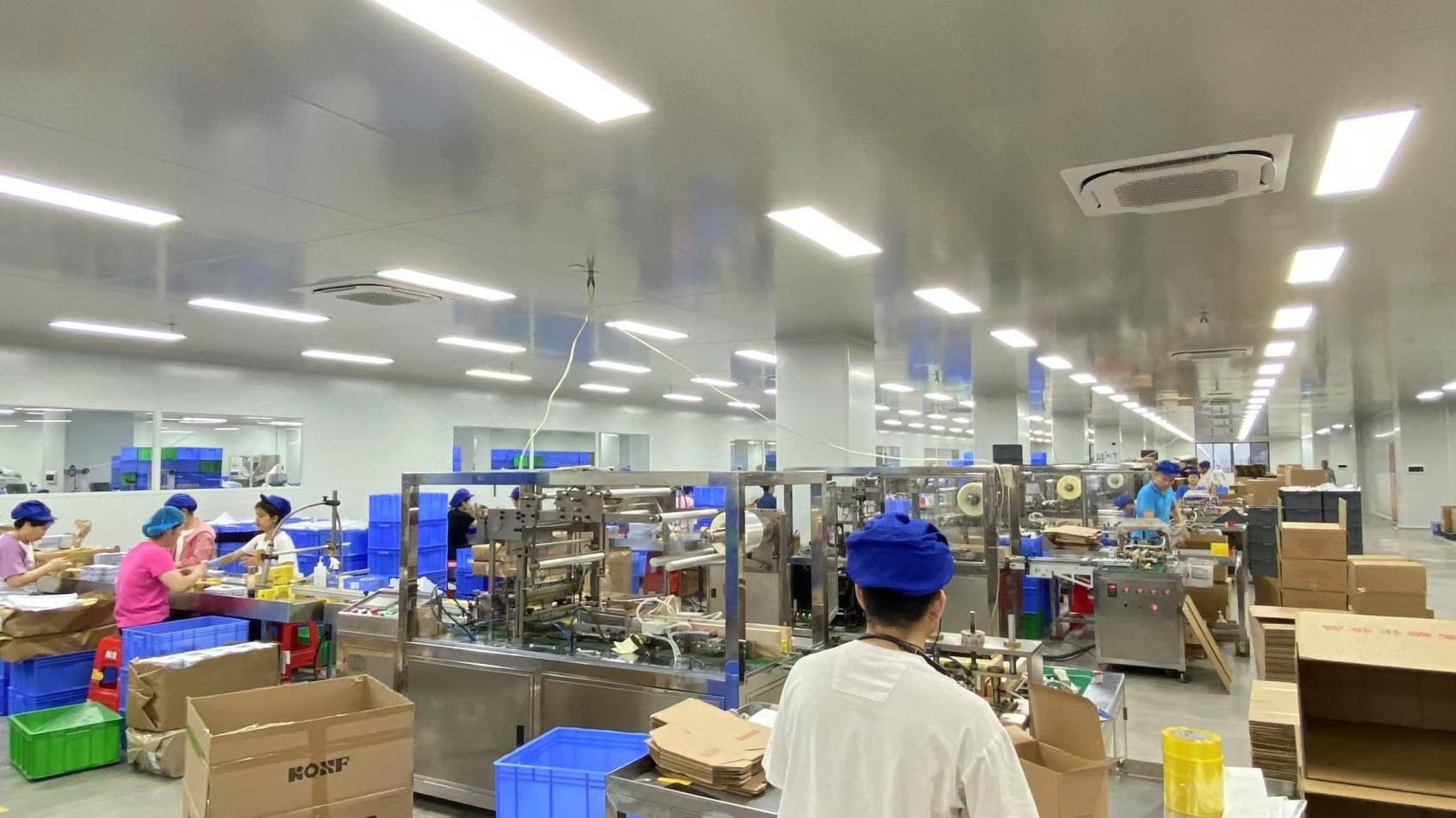
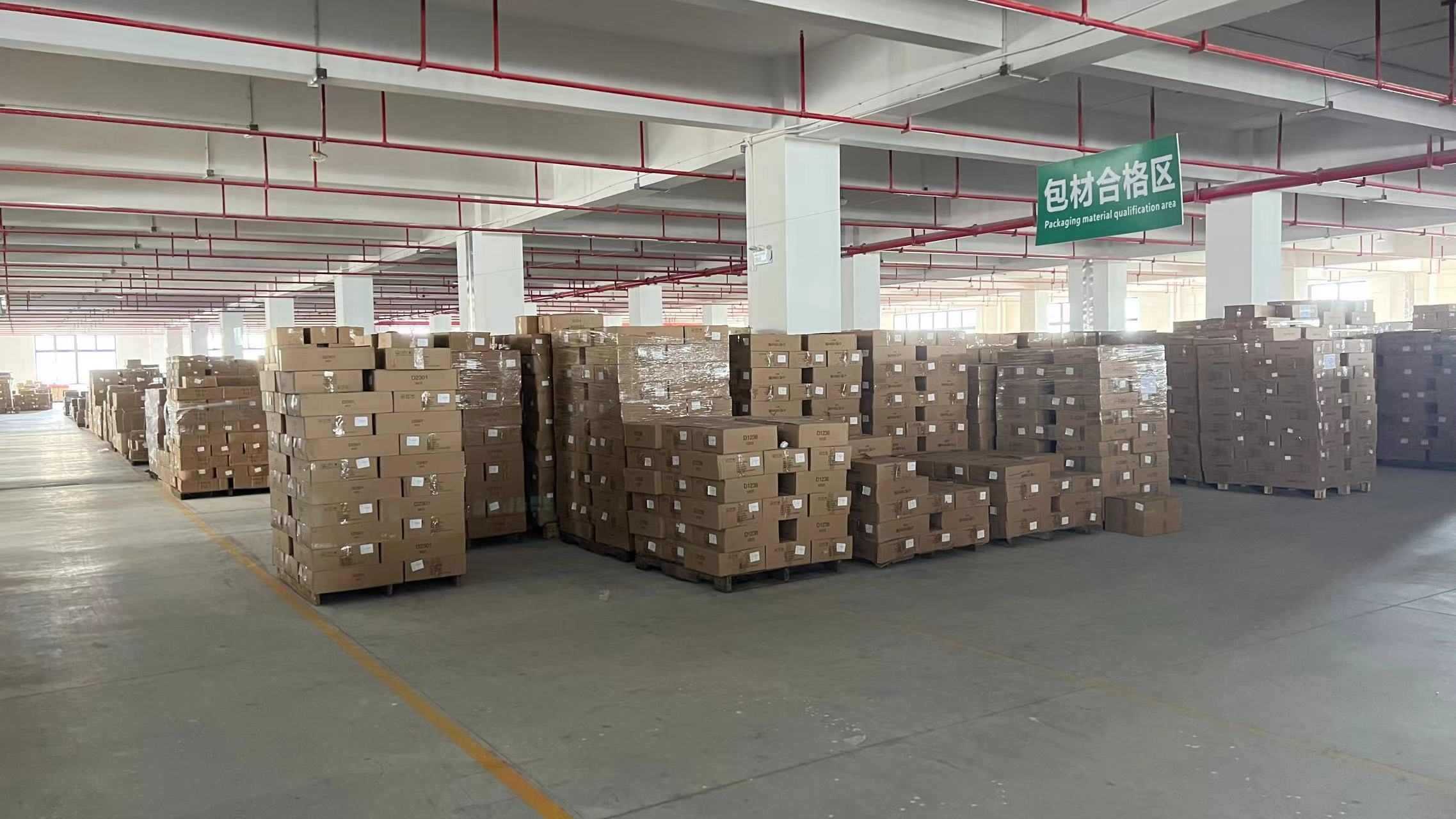
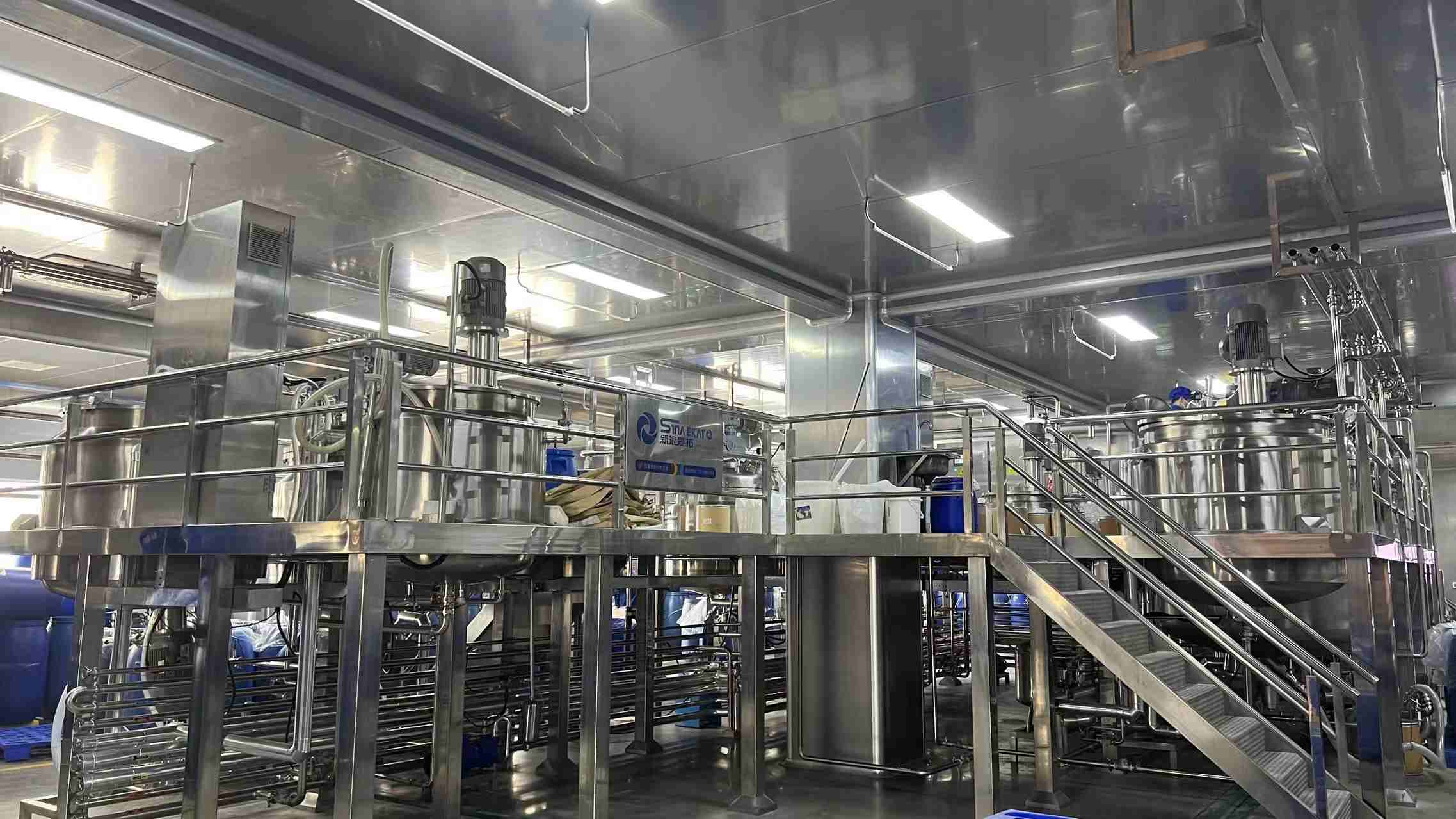
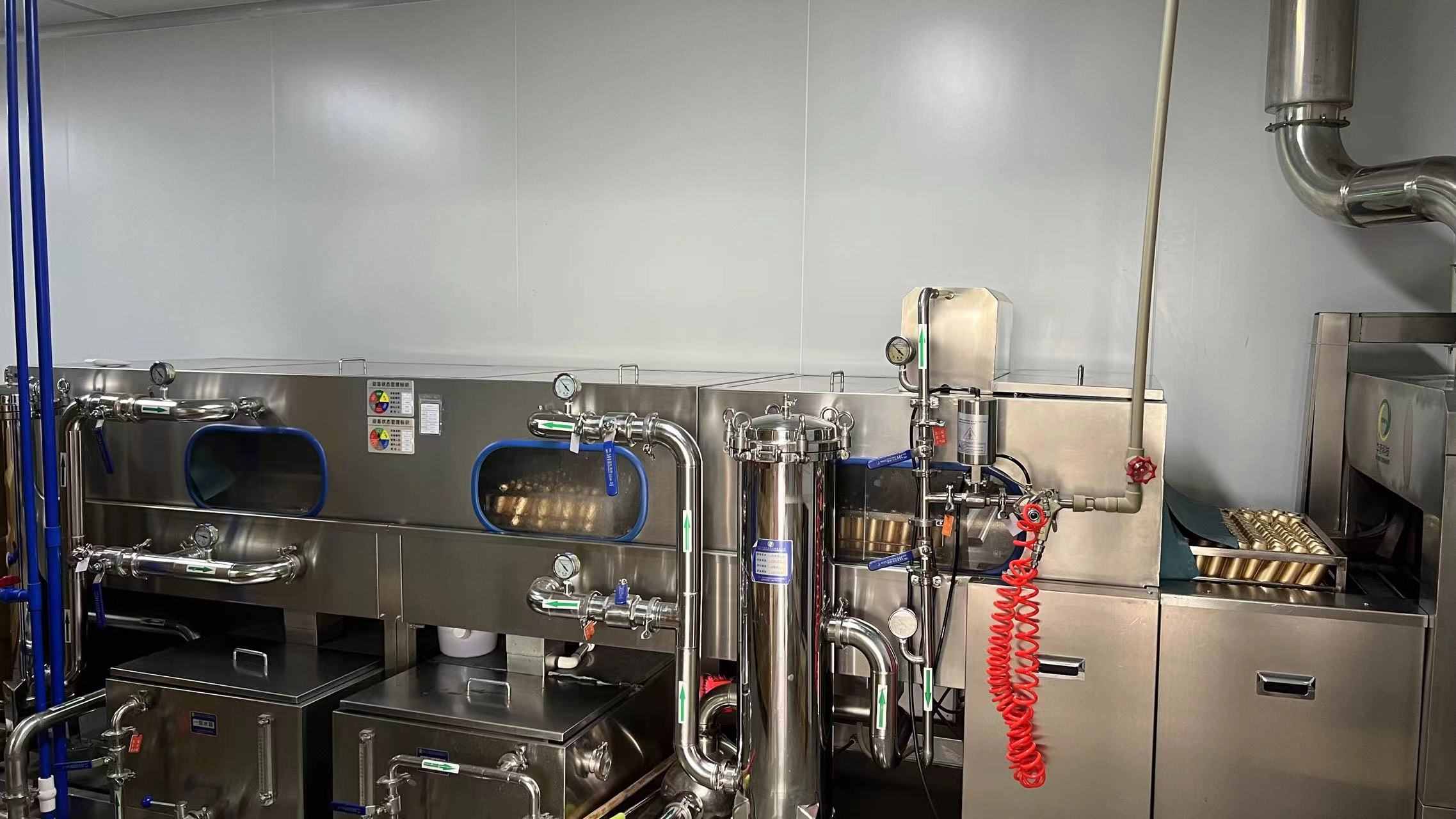
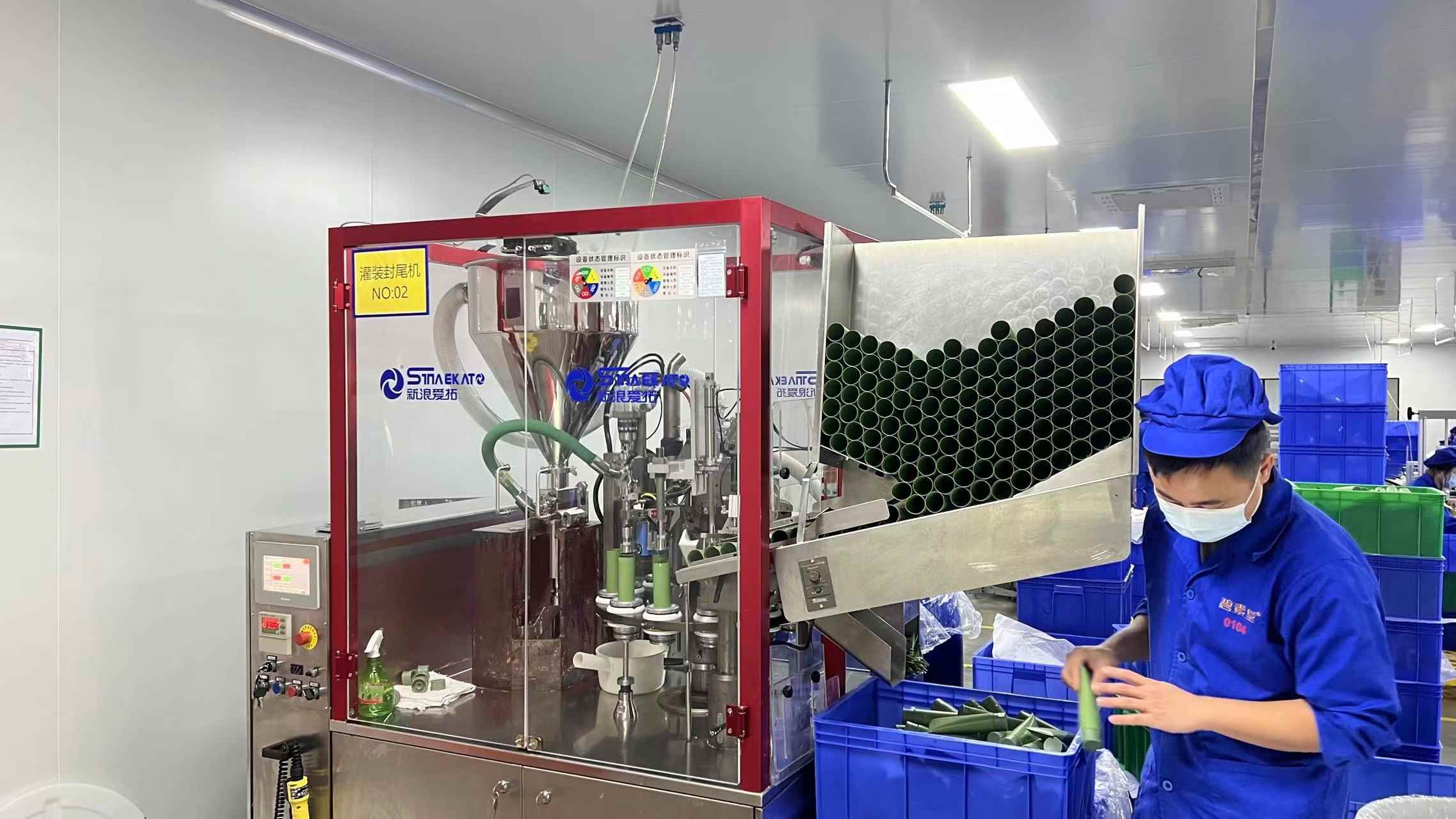
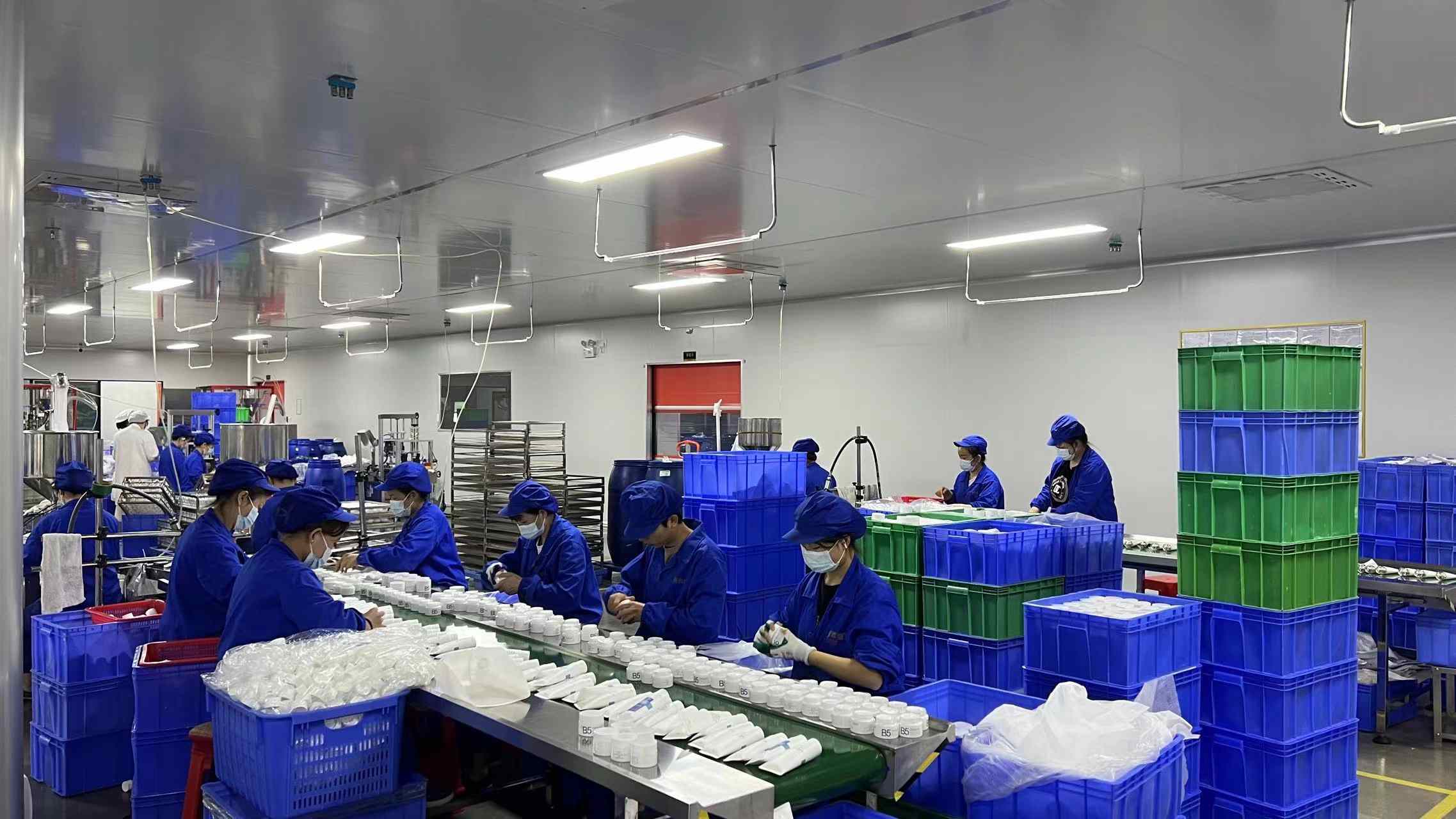
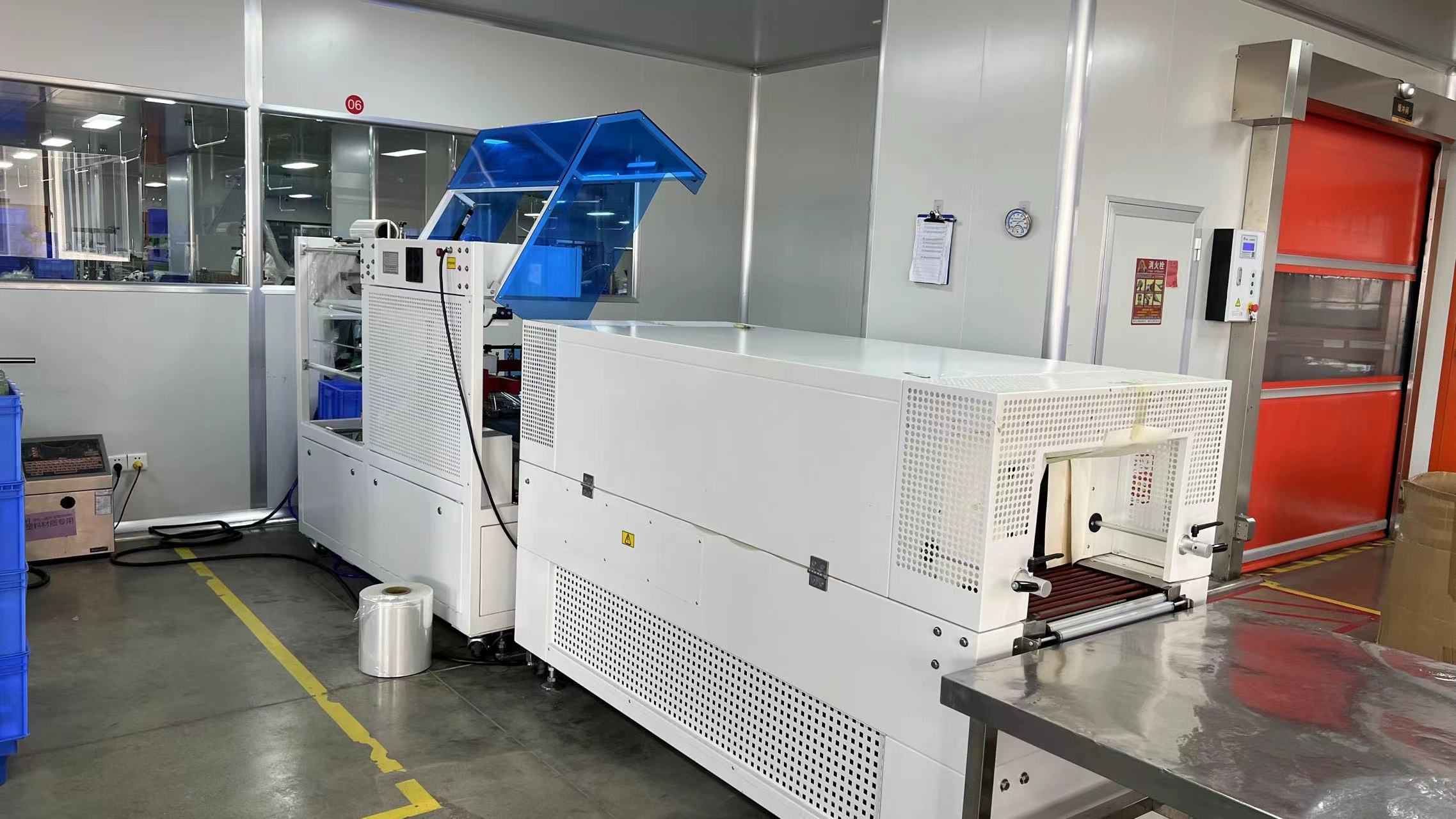
Critical steps for brand managers, distributors, and purchasing agents sourcing from China.
Purchasing skincare formulations at an industrial volume demands high supply chain transparency. Global purchasing managers must navigate compliance standards to ensure importing is frictionless. The primary consideration is regulatory compliance for the target market. Products exported to the European Union must have complete Product Information Files (PIF) and registration on the Cosmetic Products Notification Portal (CPNP). Products exported to North America must align with the FDA Modernization of Cosmetics Regulation Act (MoCRA) guidelines.
Our project management division collaborates with international certification agencies to provide chemical safety data sheets (SDS), Certificates of Analysis (COA), and microbial clearance records for every shipping batch. We offer scalable options for low and high-volume brands, including customizable packaging formats to accommodate diverse target audiences. By offering localized formulation adjustments—such as botanical-only brightening serums for clean beauty lines—we ensure our clients can meet their target consumer demographics.
Get answers to technical, regulatory, and logistics questions about working with Guangdong Miura Beauty Co. Ltd.
Our standard MOQ for OEM/ODM orders ranges from 3,000 to 5,000 units per SKU, depending on formula complexity and primary packaging choices. For stock formulations, we support lower MOQs to help newer brands scale efficiently.
We use multi-lamellar liposome encapsulation and protective nitrogen flushing during our automated filling phase. This prevents contact with oxygen and light, guaranteeing high raw material potency throughout the product shelf life.
Yes. We formulate in full accordance with EU regulations and are certified ISO 22716 (GMP) and US FDA GMP. We prepare Product Information Files (PIF) and toxicology reviews to ensure smooth registration on the CPNP.
For standard formulations, the lead time is typically 30 to 45 days after deposit and design approval. Custom formulations requiring long-term stability testing or efficacy trials may require 60 to 75 days to complete.
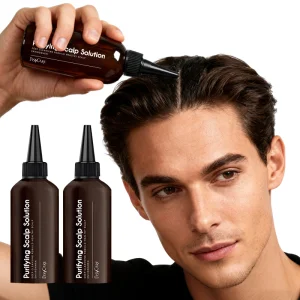
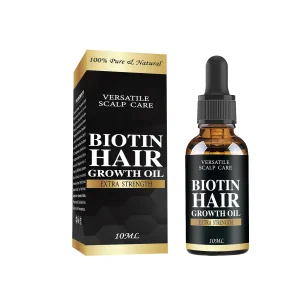
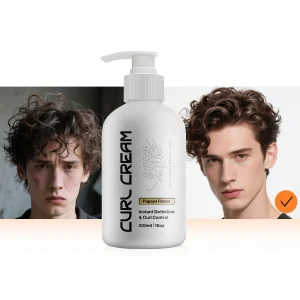
Discover our specialized skin barrier, anti-aging, hair, and oral care solutions manufactured to GMPC standards.
 Miura Beauty