Why Is My Skin Purging or Breaking Out?

Time:2026-09-25 Author:Liam
0%

A sudden cluster of spots can make a new skincare routine feel like a mistake. But timing, location, and other symptoms offer useful clues. The American Academy of Dermatology (AAD) estimates that acne affects up to 50 million people in the United States each year. It is common, but that does not make every breakout a normal adjustment.

So, why is my skin purging vs breaking out? The distinction is not always obvious. “Purging” is a popular term, not a diagnosis, and skin-care reactions can look similar in a bathroom mirror. Products that speed skin-cell turnover, such as retinoids or exfoliating acids, may temporarily bring existing clogged pores to the surface. They may also cause irritation, including redness, dryness, or stinging. Those signs deserve attention, not automatic reassurance.

Look closely. Are spots appearing where you usually get acne, after starting an active ingredient? That pattern may fit a temporary flare, though it cannot confirm one. New bumps in unfamiliar areas, worsening discomfort, or a rash-like reaction may point to a breakout or irritation instead. A small detail matters: burning after application is different from a few familiar pimples.

There is no reliable rule that every “purge” should be endured. The AAD recommends seeking dermatological guidance when acne is deep, painful, or not improving with over-the-counter care. Keep track of the product, start date, affected areas, and symptoms; a clear record helps a clinician assess the pattern. Skin varies. And the labels can mislead.
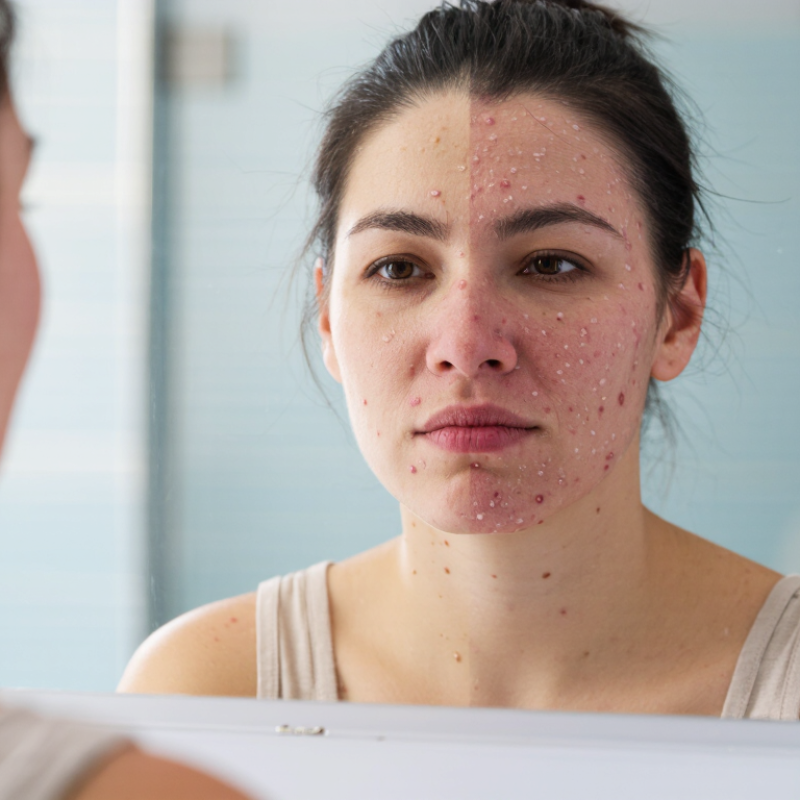
Why Is My Skin Purging or Breaking Out?

Define Skin Purging vs. Breakouts: AAD Reports 50 Million U.S. Acne Cases Yearly

Acne affects up to 50 million people in the United States each year, according to the American Academy of Dermatology. That makes a new breakout common, but it does not automatically mean your skin is “purging.” Purging may happen after starting an ingredient that increases skin-cell turnover, such as a retinoid. It usually appears where you already tend to get acne and should gradually settle. The distinction can be confusing. Not every flare is a purge.

A breakout may appear in new areas or continue worsening. It can also follow irritation from a product, especially if skin feels raw, itchy, or unusually tight. Timing alone cannot confirm the cause. A brief flare may settle, but painful bumps, scarring, or persistent worsening deserve professional attention. A dermatologist can assess your skin and treatment history; guessing from a mirror is imperfect.

Tips: Introduce one new active ingredient at a time, and follow its label directions. Keep the rest of your routine gentle. Note when symptoms began and where spots appear. If irritation is strong, stop the suspected product and seek medical advice. Don’t push through pain just because you suspect purging.

Explain Early Retinoid Reactions: FDA Labels Note Possible Initial Worsening

An early flare can feel alarming, especially when new bumps appear beside dry, pink patches. FDA prescribing information for topical tretinoin warns that inflammatory acne lesions may temporarily worsen during the first weeks. Trial safety data list redness, peeling, dryness, and burning. The label notes that irritation often peaks during the first two weeks, then eases. That timing is useful, but it cannot diagnose every breakout.

A retinoid-related flare usually involves acne-prone areas and may settle as skin adjusts. A tight, stinging rash, swelling, or painful cracking suggests irritation may be more than a routine adjustment. The American Academy of Dermatology advises easing into retinoid use to reduce irritation; clinicians often recommend starting less frequently and using a gentle moisturizer. Keep the amount small: a pea-sized dab can cover the whole face. More is not better.

The word “purging” can oversimplify things. A flare that keeps worsening, spreads to new areas, or persists beyond the early adjustment period deserves medical advice. Pause use and contact a clinician for severe pain, marked swelling, or blistering. Also check the specific medicine’s FDA-approved prescribing information, since products and strengths differ. Skin does not follow a perfect schedule, and a few weeks of irritation should not be dismissed automatically.

Why Is My Skin Purging or Breaking Out?

FDA labeling for topical retinoids notes that some people may notice an early worsening or skin irritation after starting treatment.

How to read this: The bar marks the first four weeks, when adapalene labeling says irritation—such as redness, scaling, dryness, or stinging/burning—is most likely; it generally lessens with continued use. Tretinoin labeling also notes that an apparent acne flare may occur during the first weeks. This is a label-described time window, not a prediction that everyone will react or that every breakout is “purging.” Ask a healthcare professional about severe or persistent symptoms.

Source: FDA-approved topical adapalene and tretinoin labeling. Timing and reactions may vary by product and person.

Identify Purging Triggers: Retinoids, Exfoliating Acids, and Other Actives

Retinoids, exfoliating acids, and some acne treatments can bring clogged pores to the surface faster. That may look like a sudden crop of small pimples. Purging is not a formal diagnosis, though, and not every breakout after starting an active ingredient is a purge. It usually appears where you already break out. A new itchy, burning rash in unfamiliar areas points more toward irritation.

Retinoids increase cell turnover; salicylic acid can work inside oil-filled pores, while glycolic and lactic acids loosen surface dead cells. Too much, too soon can overwhelm the skin barrier. In pooled 12-week phase III trials involving 1,670 participants, local irritation from a retinoid combination was strongest early and eased over time. The trials show that early irritation can happen, not that every flare is “purging.” That matters.

Start with one active, two or three nights weekly, and use a pea-sized amount on dry skin. Don’t stack a retinoid with strong exfoliating acids at the beginning. Add a plain moisturizer, and wear daytime sunscreen. Still, the line is not always neat. If breakouts keep worsening beyond several weeks, or skin becomes painful, swollen, or persistently raw, pause the active and ask a dermatologist.

Compare Timing and Symptoms: AAD Says Acne Treatments May Take 6–8 Weeks

A breakout after starting an acne treatment can feel like a setback, but timing helps tell the story. The American Academy of Dermatology (AAD) says acne treatments often need 6–8 weeks before improvement becomes noticeable; clearer skin may take several months. A few new spots during the first weeks do not automatically mean the treatment is failing. Still, “purging” is not a guarantee that a product is working.

Look at where and how symptoms appear. A temporary flare is more plausible when pimples show up in places where you usually break out. Stinging, marked redness, itching, tightness, or flaky patches may point more toward irritation, especially where the product was applied. That distinction is imperfect. Acne and irritation can overlap, and photos taken weekly in the same light may make changes easier to judge.

Give a prescribed routine time, unless symptoms are severe or worsening. Avoid adding several new active products at once; that makes the cause harder to identify. If breakouts keep worsening beyond the 6–8-week window, spread to new areas, or become painful, check with a dermatologist. The timeline comes from AAD guidance, not a promise that every skin type will respond on schedule (AAD, “Acne: Diagnosis and Treatment”).

Choose a Safe Response: Adjust Products and Seek Care for Severe or Persistent Symptoms

Why Is My Skin Purging or Breaking Out?

A new product can cause temporary congestion, but “purging” is often overused. Purging usually appears where acne already develops and follows faster cell turnover. Burning, swelling, intense itching, or spots in unusual areas suggest irritation or an allergic reaction. Your skin is giving evidence, not making a diagnosis.

Change one product at a time. Reduce use to every other night, especially with exfoliating acids or retinoid products. Use a gentle cleanser, a plain moisturizer, and daily broad-spectrum sunscreen. Avoid scrubbing, squeezing, and adding several treatments together. The American Academy of Dermatology’s 2024 acne guidelines support evidence-based ingredients, including benzoyl peroxide and topical retinoids, but tolerance varies. AAD estimates acne affects up to 50 million Americans annually, so persistent symptoms deserve more than online guesses.

Track the reaction with weekly photos. Note timing, product amount, and affected areas. Improvement often requires several weeks, not several days. Stop a product if pain, cracking, severe redness, or swelling develops. The U.S. Food and Drug Administration advises urgent medical help for breathing difficulty, throat tightness, or swelling around the eyes and lips. Seek dermatology care for deep, painful lesions, scarring, widespread rash, or symptoms lasting beyond eight to twelve weeks. I used to assume more treatment meant faster results. That assumption can damage the skin barrier.

Why Is My Skin Purging or Breaking Out? - Choose a Safe Response: Adjust Products and Seek Care for Severe or Persistent Symptoms

Use the patterns below as general guidance. A visual change alone cannot confirm whether blemishes are caused by skin purging, irritation, acne, or another condition.

Skin Pattern Common Clues Typical Timing Safer First Response When to Adjust or Stop Care Priority
Possible skin purging Small pimples or clogged pores appear mainly in areas where breakouts already occur. Mild dryness or flaking may also develop. Often begins after introducing an exfoliating or cell-turnover product and may improve gradually over several weeks. Introduce only one active product at a time. Use it less often, moisturize, and apply broad-spectrum sunscreen during the day. Stop the new product if symptoms become painful, intensely itchy, swollen, blistered, or widespread. Monitor closely
Typical acne breakout Blackheads, whiteheads, inflamed pimples, or deeper tender bumps may occur in familiar or new areas. Can fluctuate with hormones, stress, friction, occlusive products, sweat, or changes in routine. Keep the routine simple: gentle cleansing, non-comedogenic moisturizer, and avoid picking or scrubbing. Arrange professional advice if breakouts are persistent, worsening, scarring, or affecting daily life. Assess pattern
Irritant reaction Burning, stinging, redness, tightness, scaling, or tenderness may be more prominent than pimples. May appear soon after using a new product, using too much, or combining several strong products. Pause suspected actives. Rinse gently if needed, use a bland moisturizer, and avoid heat, friction, and additional irritants. Stop use and seek medical advice if symptoms are severe, rapidly spreading, or do not settle after removing the suspected trigger. Do not push through
Allergic contact reaction Marked itching, redness, swelling, rash, or fluid-filled areas can occur where the product was applied and sometimes beyond. May develop after one or multiple exposures; delayed reactions can occur hours to days later. Discontinue the suspected product and avoid re-testing it at home. Keep the routine minimal. Seek prompt medical care for significant swelling, hives, facial or eyelid involvement, or worsening symptoms. Seek assessment
Folliculitis-like bumps Many small, similar-looking bumps or pustules may be itchy or concentrated around sweaty, oily, or friction-prone areas. May follow heat, sweating, tight clothing, occlusion, shaving, or prolonged friction. Reduce friction and occlusion, change out of sweaty clothing, and cleanse gently without scrubbing. Obtain professional advice if bumps persist, recur, spread, or do not respond to routine changes. Consider evaluation
Deep or nodular acne Large, firm, painful bumps develop deeper in the skin and may leave long-lasting marks or scars. Can persist for weeks and may recur without targeted treatment. Do not squeeze or lance lesions. Use gentle skin care and arrange a dermatology or medical assessment. Seek care promptly, especially when lesions are painful, recurrent, or causing scarring. Professional care
Possible infection warning signs Increasing warmth, spreading redness, significant swelling, pus, severe pain, fever, or red streaking. Symptoms may worsen quickly rather than gradually settle. Stop irritating products, avoid picking, and keep the area clean. Do not self-treat a worsening infection with leftover medication. Seek urgent medical care, particularly for fever, rapidly spreading redness, severe swelling, or involvement near the eye. Urgent assessment
Routine overload New breakouts, dryness, peeling, redness, or sensitivity appear after adding several products or changing products frequently. Often develops within days to weeks of multiple routine changes. Return to a basic routine: gentle cleanser, moisturizer, and daytime sunscreen. Reintroduce products one at a time only after the skin settles. Get advice if symptoms continue despite simplifying the routine or if the skin becomes painful or inflamed. Simplify routine
Safety note: Purging is not a reason to tolerate severe burning, marked swelling, intense itching, blistering, or rapidly worsening symptoms. Persistent, painful, scarring, or uncertain skin changes should be assessed by a qualified healthcare professional.

FAQS

What is skin purging?

Purging may happen when an active ingredient speeds up skin-cell turnover. Small pimples can appear where you usually break out. It is not a formal diagnosis.

Which ingredients may trigger purging?

Retinoids and exfoliating acids may bring clogged pores to the surface faster. Salicylic acid works inside oil-filled pores. Glycolic and lactic acids loosen dead surface cells.

How can I tell purging from a breakout?

A flare in familiar acne-prone spots may fit purging, but location alone cannot confirm it. New areas, worsening spots, or itchy, burning skin may suggest irritation. It can be hard to tell.

How should I start a new active ingredient?

Introduce one active at a time. Try it two or three nights weekly, using a pea-sized amount on dry skin. Follow the label directions.

What should I avoid when starting an active?

Avoid combining a retinoid with strong exfoliating acids at the beginning. Keep the rest of your routine gentle. Add a plain moisturizer and daytime sunscreen.

Is early irritation always a sign of purging?

No. Trials found that irritation from a retinoid combination was strongest early and eased over time. That does not prove every early flare is purging.

When should I pause a product and seek advice?

Pause the suspected active if your skin becomes painful, swollen, or persistently raw. Seek medical advice. Don’t push through pain.

When should a dermatologist assess a breakout?

Ask a dermatologist about painful bumps, scarring, or persistent worsening. Note when symptoms began and where spots appear. Guessing from a mirror is imperfect.

Conclusion

Wondering “why is my skin purging vs breaking out” can be confusing, especially when new blemishes appear after changing your routine. Skin purging is a temporary reaction that may occur when active ingredients speed up cell turnover, bringing existing clogged pores to the surface more quickly. Common triggers include retinoids, exfoliating acids, and other potent acne treatments. Breakouts, however, may result from irritation, clogged pores, allergies, or products that do not suit your skin. They can appear in new areas and may continue without improvement.

Early worsening is possible when beginning certain acne treatments, but improvement often takes several weeks, commonly around six to eight. Introduce active products gradually, avoid combining too many irritating ingredients, and support your skin with gentle cleansing and moisturizing. If symptoms are severe, painful, widespread, unusually itchy, or persistent, pause the suspected product and seek advice from a qualified healthcare professional.

Liam

Liam

Liam is a dedicated marketing professional with a profound expertise in the industry, where he excels at highlighting the unique advantages of our core products. With a keen understanding of market trends and consumer needs, Liam frequently updates our company’s professional blog, providing......