Choosing sunscreen for sensitive skin can feel like reading a crowded ingredient label under harsh bathroom light. Fragrance, alcohol, preservatives, and certain chemical filters may trigger stinging, redness, or itching. Yet sensitive skin is not identical for everyone. A product that comforts one face may irritate another. That uncertainty matters.
Dermatologist Dr. Hadley King has said, “The best sunscreen is the one you will use consistently.” Her point is practical, not flashy. A gentle sunscreen cannot protect skin if its texture feels greasy, chalky, or uncomfortable. Look for broad-spectrum protection, SPF 30 or higher, and a formula suited to daily use. Mineral filters, especially zinc oxide, are often considered a helpful starting point for reactive skin. They can still leave a white cast, particularly on deeper skin tones.
This guide explains how to choose sunscreen for sensitive skin through clear, real-world checks. We will examine ingredients, texture, protection level, packaging, and application habits. A small patch test behind the ear can reveal early irritation, but it is not a perfect guarantee. Skin may react later, especially after sweating or prolonged sun exposure. Stop using any product that causes persistent burning, swelling, or rash, and seek professional medical advice when symptoms continue. The ideal sunscreen should sit comfortably on the face, remain reliable outdoors, and fit your actual routine. Not the fantasy routine. Your real one.
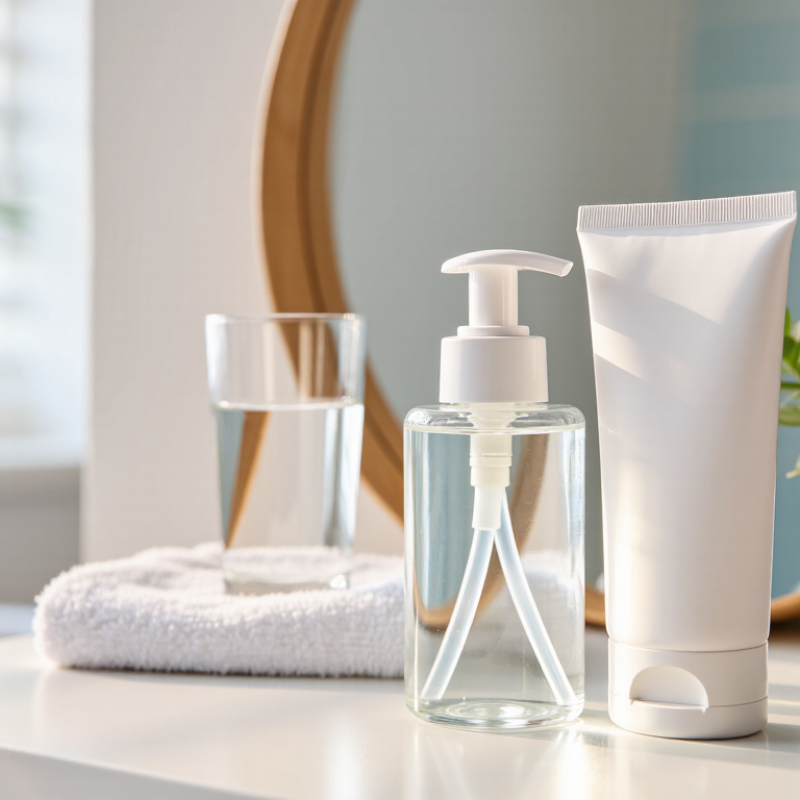
Sensitive skin often reacts to more than sunlight. Fragrance, drying alcohols, sweat, and repeated rubbing may trigger redness or stinging. Sunscreen should protect without creating another problem. Look for broad-spectrum protection with SPF 30 or higher. Mineral filters, such as zinc oxide or titanium dioxide, may feel gentler for reactive skin, although personal tolerance varies. Texture matters.
Read the ingredient list carefully. Fragrance-free formulas can reduce avoidable irritation, but “natural” does not always mean safer. A small patch test near the jawline can reveal burning, itching, or delayed redness. Patch test first. Apply enough product to exposed skin, including the ears, neck, and hairline. Many people use too little, then blame the sunscreen.
Daily comfort affects real-world protection. A product that pills under makeup or feels greasy may be skipped, even when its formula looks ideal on paper. Reapply after swimming, sweating, or towel drying, and use shade and protective clothing when possible. Dermatology guidance supports combining these habits, especially for people with eczema or frequent irritation. Still, no label predicts every reaction. My own buying decisions would weigh comfort heavily, but that may oversimplify sensitive skin. Persistent burning, swelling, or rash deserves professional medical advice rather than another product experiment.
Choosing Sunscreen for Sensitive Skin: Checking Ingredients for Potential Irritants
Sensitive skin needs more than a high SPF number. Read the full ingredient list before buying. Mineral filters, such as zinc oxide or titanium dioxide, often suit reactive skin. However, the entire formula matters. Fragrance, essential oils, and strong botanical extracts may trigger stinging or redness. Denatured alcohol can also feel uncomfortable on dry or damaged skin. Preservatives are necessary for product safety, yet some people may react to specific ones. Ingredient names can look confusing. That is normal.
Tips: Apply a small amount behind your ear or along your jawline. Wait 24 to 48 hours. Watch for burning, itching, swelling, or a rash. Patch testing helps, but it cannot predict every reaction. Try the sunscreen on a quiet day, not before a long outdoor event. Keep the bottle away from heat and replace it after the stated period.
Dermatologists commonly recommend broad-spectrum SPF 30 or higher for daily protection. Choose water resistance when swimming or sweating. A simple, fragrance-free formula may be easier to evaluate. Still, “for sensitive skin” on a label is not proof of suitability. Marketing language can be vague. I have found that fewer ingredients often make troubleshooting easier, though not always. Stop using the product if irritation continues, and seek professional medical advice for persistent or severe symptoms.
| Ingredient or Product Feature | Why Sensitive-Skin Buyers Check It | Potential Concern | Buyer-Friendly Preference | Practical Evaluation |
|---|---|---|---|---|
| Zinc oxide | A mineral UV filter commonly selected by people who want a simpler sunscreen formula. | May leave a visible white cast, especially on deeper skin tones, and can feel thick or drying. | Choose a fragrance-free, moisturizing formula with a finish suitable for your skin tone. | Check whether the product spreads evenly without stinging or excessive residue. |
| Titanium dioxide | Another mineral UV filter used to help protect against ultraviolet radiation. | Can contribute to a white or pale cast and may pill with other skincare products. | Look for a texture that works with your moisturizer and makeup, if applicable. | Apply a small amount over your usual skincare routine to check for pilling. |
| Fragrance or parfum | Fragrance compounds are a common consideration for people prone to irritation or contact allergy. | May cause burning, redness, itching, or allergic contact dermatitis in susceptible users. | Prefer products labeled fragrance-free rather than simply unscented. | Review the complete ingredient list because fragrance may appear near the end of the list. |
| Essential oils and botanical fragrance extracts | “Natural” ingredients can still contain fragrant compounds that affect reactive skin. | Some essential oils may irritate skin or trigger sensitization, particularly when leave-on products are used repeatedly. | Choose a formula without added aromatic oils when minimizing potential irritants is a priority. | Do not assume that plant-derived ingredients are automatically suitable for sensitive skin. |
| Alcohol denat. or ethanol | Often used to create a lightweight, quick-drying feel. | May sting compromised skin and can feel drying for some users, although tolerance varies by formula and skin type. | If your skin is dry, irritated, or recently treated, consider an alcohol-free or lower-alcohol option. | Patch test before applying widely, especially after exfoliation or shaving. |
| Preservatives | Preservatives help prevent microbial growth in water-based sunscreen products. | A small number of users may develop irritation or allergic contact dermatitis to particular preservatives. | Do not avoid all preservatives automatically; instead, identify personal triggers with professional guidance. | If reactions recur, keep a record of ingredients and discuss patch testing with a dermatologist. |
| Oxybenzone and other organic UV filters | Some individuals prefer to screen specific chemical UV filters because of personal sensitivity or prior reactions. | Certain filters can sting or cause contact allergy in susceptible people; reactions are individual rather than universal. | If a known filter causes problems, select a different filter combination or a mineral-only formula. | Compare the active-ingredient panel and test the finished product, not an ingredient in isolation. |
| Moisturizing ingredients Glycerin, ceramides, panthenol |
Supporting the skin barrier can improve comfort for dry or easily irritated skin. | A richer texture may feel heavy or contribute to clogged pores for some users. | Select a texture that matches your skin type while avoiding ingredients you personally cannot tolerate. | Assess comfort after several hours, not only the first few minutes of application. |
| Broad-spectrum protection | Protection against both UVA and UVB helps reduce sunburn and cumulative ultraviolet exposure. | A sunscreen that irritates the skin may be applied inconsistently or avoided. | Prioritize a broad-spectrum product that you can comfortably apply in the recommended amount. | Use alongside shade, protective clothing, and reapplication when outdoors. |
| SPF 30 or higher | A higher labeled SPF provides greater tested protection against UVB when applied correctly. | SPF does not eliminate the need for adequate application or reapplication. | Choose at least SPF 30 for routine outdoor use, with a comfortable formula that encourages regular use. | Follow the package directions and reapply after swimming, sweating, toweling, or prolonged outdoor activity. |
| Water resistance | Useful for swimming, sweating, or other activities involving water. | Water resistance is time-limited and does not mean waterproof protection. | Choose a stated water-resistance duration when needed, without treating it as all-day protection. | Reapply after swimming or heavy sweating, even if the stated duration has not passed. |
| Patch testing | A small-area trial can help identify immediate irritation before full-face use. | A home patch test cannot reliably rule out delayed allergy or guarantee full-face tolerance. | Test on a small area for several days according to healthcare guidance, especially if reactions are frequent. | Stop using the product if significant swelling, hives, blistering, or persistent burning occurs, and seek medical advice. |
Ingredient sensitivity varies between individuals. A fragrance-free, broad-spectrum sunscreen with SPF 30 or higher is a practical starting point, but people with persistent or severe reactions should consult a dermatologist.
Choosing sunscreen for sensitive skin often means comparing mineral and chemical filters, not chasing a perfect label. Mineral sunscreens use zinc oxide or titanium dioxide to scatter and absorb ultraviolet radiation. Chemical filters absorb ultraviolet energy through organic molecules. The American Academy of Dermatology recommends broad-spectrum protection with SPF 30 or higher. SPF 30 filters about 97% of UVB, while higher ratings provide only slightly more protection.
Mineral formulas may suit skin that stings easily, especially around the eyes. However, they can feel thick and leave a pale cast on deeper skin tones. Chemical formulas often spread more smoothly and avoid that cast. Yet some sensitive users notice burning after sweating or applying them over damaged skin. The FDA’s sunscreen review identifies zinc oxide and titanium dioxide as well-supported active ingredients, while several chemical filters still require additional safety data. That distinction matters, but it does not make every mineral product gentle.
Read the full ingredient list. Fragrance, drying alcohol, and strong preservatives may trigger irritation more than the filter itself. Apply a small amount behind the ear for three days. Watch for redness, tightness, or itching. I would also test the product near the eyes before a beach day. Reapply every two hours outdoors, and sooner after swimming or heavy sweating, following AAD guidance. Mineral is not automatically better. Chemical is not automatically harsh. Your skin’s reaction remains the most useful evidence.
How to Choose Sunscreen for Sensitive Skin Buyers Guide?
For sensitive skin, SPF is only one part of protection. The American Academy of Dermatology recommends broad-spectrum sunscreen with SPF 30 or higher. SPF 30 filters about 97% of UVB rays, while SPF 50 filters slightly more, according to the U.S. Food and Drug Administration. The difference is smaller than many shoppers expect. SPF does not measure UVA protection alone. Look for clear broad-spectrum wording, not just a large SPF number. UVA exposure can contribute to premature aging and long-term skin damage.
Water resistance matters during swimming, sweating, or outdoor work. However, no sunscreen is fully waterproof. FDA labeling permits water-resistance claims for either 40 or 80 minutes. Reapply after that time, towel drying, or heavy sweating. The AAD also advises reapplying every two hours during outdoor exposure. Sensitive skin still needs careful testing. Fragrance, essential oils, and some preservatives may trigger discomfort, but reactions vary widely. A “gentle” label is not a guarantee.
Tips: Apply enough sunscreen to cover exposed skin. For the body, use about one shot-glass amount. For the face, use two finger-length portions. Patch-test a small area for several days. I once underestimated reapplication because the morning layer felt substantial. That shortcut was flawed. Shade, protective clothing, and timing still matter, especially when the UV Index reaches 3 or higher, according to the World Health Organization.
Choosing sunscreen for sensitive skin requires more than reading the SPF number. Look for broad-spectrum protection, SPF 30 or higher, and a short ingredient list. Mineral filters, such as zinc oxide or titanium dioxide, may feel gentler for easily irritated skin. Fragrance-free formulas are often a sensible choice. However, “natural” does not always mean safer. Skin can still react.
Test it before using it widely. Apply a small amount behind your ear or on your inner arm for two or three days. Watch for burning, itching, swelling, or a persistent rash. Dermatology guidance commonly recommends testing new products this way, though it cannot predict every reaction. I used to focus only on SPF, but texture matters too. If sunscreen feels heavy, people may apply too little.
Tips: Apply sunscreen generously to dry skin 15 minutes before going outdoors. Cover your face, ears, neck, and exposed hairline. Two finger-lengths can help estimate facial coverage, but hand size differs. Reapply about every two hours outdoors, and sooner after swimming, sweating, or towel drying. Pat dry first. Do not rub irritated skin. Keep the bottle away from intense heat, and check its condition before use. My advice is not perfect: some sensitive skin still reacts to carefully selected products. Stop using a product that causes discomfort, and seek professional medical advice for severe or lasting symptoms.
Choose broad-spectrum protection with SPF 30 or higher. Mineral filters may feel gentler for reactive skin. Personal tolerance still varies.
Fragrance, essential oils, strong botanical extracts, and drying alcohol may cause stinging or redness. Some preservatives can also trigger reactions. Read the full ingredient list.
Apply a small amount behind your ear or along your jawline. Wait 24 to 48 hours. Watch for burning, itching, swelling, or delayed redness.Patch test first.
No. Marketing language can be vague. A fragrance-free formula may reduce avoidable irritation, but no label predicts every reaction.
Use about one shot-glass amount for the body. For the face, use two finger-length portions. Cover the ears, neck, and hairline.Many people use too little.
Reapply every two hours during outdoor exposure. Reapply sooner after swimming, sweating heavily, or towel drying. No sunscreen is fully waterproof.
Greasy or pilling sunscreen may be skipped. Comfortable texture supports regular use, even under makeup. Texture matters.
Use shade, protective clothing, and outdoor timing carefully. These habits matter more when the UV Index reaches 3 or higher.Sunscreen is not the only layer.
Stop using the product if burning, swelling, or rash continues. Seek professional medical advice instead of testing several more products.My assumptions may be imperfect.
Choosing sunscreen for sensitive skin starts with understanding how easily your skin reacts to sunlight, fragrance, preservatives, or certain active ingredients. This guide explains how to choose sunscreen for sensitive skin by focusing on gentle, minimal formulas and carefully checking the ingredient list for potential irritants. Mineral filters may be preferable for easily irritated skin because they sit on the surface and reflect UV rays, while chemical filters can offer a lighter texture for some users. Individual tolerance should always guide the final choice.
Look for broad-spectrum protection and an SPF suited to your daily exposure, while considering water resistance if you swim, sweat, or spend extended time outdoors. Before full application, test a small amount on a discreet area and stop using it if discomfort develops. Apply an even layer to exposed skin, allow enough time for coverage, and reapply regularly, especially after swimming, sweating, or towel drying. Consistent, gentle use is essential for protecting sensitive skin.
