The vaginal microbiome is a living community, not a cleanliness score. It changes with hormones, menstrual cycles, sexual activity, antibiotics, and age. Healthy variation exists, and unusual discharge does not always mean infection.
Learning how to balance vaginal microbiome safely begins with understanding what the evidence actually supports. In many healthy people, Lactobacillus species help maintain an acidic environment that limits harmful overgrowth. However, no single “perfect” microbiome fits everyone. That detail is often overlooked.
Gentle care matters. Wash the external vulva with lukewarm water and avoid scented sprays, harsh soaps, and douching. The vagina is self-cleaning. Do not insert yogurt, essential oils, boric acid, or unverified products without professional guidance. These remedies may irritate delicate tissue or delay proper diagnosis.
Small habits help.
Breathable cotton underwear, prompt clothing changes after exercise, and careful antibiotic use can support comfort. Probiotics may help some people, but product quality and research findings remain inconsistent. A clinician can review symptoms, medications, pregnancy status, and recurring infections before recommending treatment.
Pay attention to changes. Strong odor, itching, burning, pelvic pain, sores, bleeding, or green, gray, or frothy discharge deserves medical assessment. Recurrent symptoms should not be repeatedly self-treated. They may reflect bacterial vaginosis, yeast infection, sexually transmitted infection, dermatitis, or another condition.
This guide focuses on practical, evidence-informed choices. It also acknowledges uncertainty, because vaginal health research continues to develop. Personal experience matters, but it cannot replace testing or qualified medical advice. Safe care means protecting the microbiome without chasing unrealistic promises.
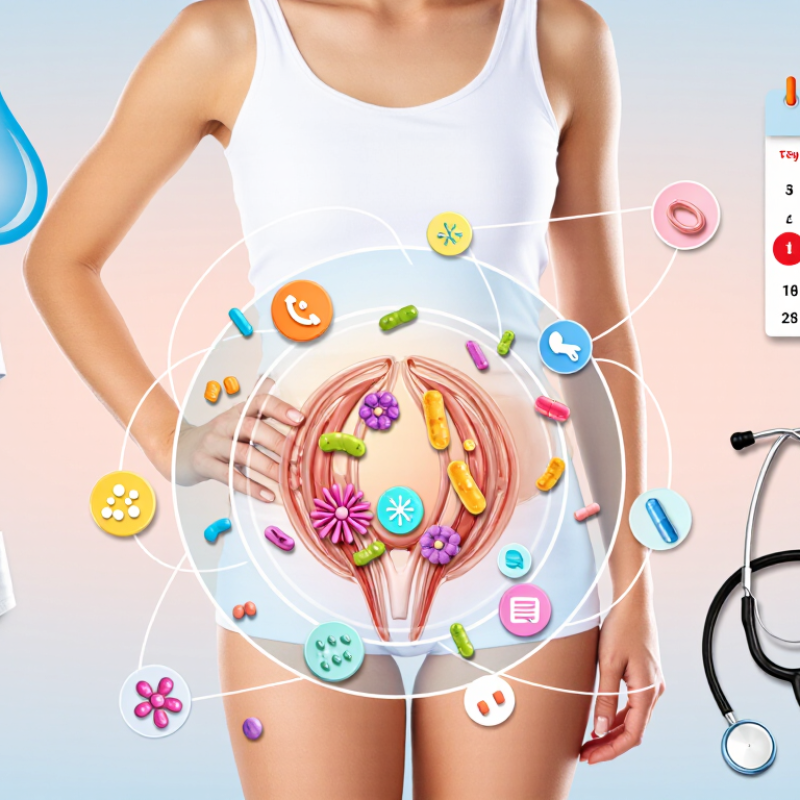
How to Balance Vaginal Microbiome Safely in 2026?
Understanding the Vaginal Microbiome and Its Role in Health
The vaginal microbiome is a living community of bacteria, fungi, and other microorganisms. It is not meant to be sterile. In many healthy people, Lactobacillus bacteria help maintain an acidic environment. Vaginal pH often ranges from 3.8 to 4.5 during reproductive years. This acidity can discourage the overgrowth of harmful organisms.
Balance can change naturally. Menstruation, sexual activity, pregnancy, antibiotics, stress, and hormonal shifts may influence the microbiome. A temporary change does not always mean disease. That distinction matters. I once viewed any odor as a warning sign, but mild changes can occur after exercise or a menstrual period. Persistent fishy odor, unusual discharge, itching, burning, sores, or pelvic pain needs professional assessment.
Gentle care is usually safer than aggressive correction. Wash the external vulva with lukewarm water and a mild, fragrance-free cleanser if needed. Avoid douching, scented sprays, and inserting household ingredients. These practices may irritate tissue and disrupt protective bacteria. Probiotic products may help some people, but research remains mixed and strain-specific. Do not treat suspected bacterial vaginosis or yeast infections based only on online advice. A clinician can examine symptoms and perform appropriate testing. This approach may feel less immediate, yet it reduces guesswork and unnecessary treatment.
| Health Dimension | Evidence-Based Information | Safe, Practical Approach | When to Seek Medical Care |
|---|---|---|---|
| What the vaginal microbiome is | The vaginal microbiome is a community of microorganisms living in the vagina. In many reproductive-age adults, Lactobacillus species are common and help support an acidic environment. | Focus on maintaining healthy habits rather than trying to eliminate all microorganisms. A healthy microbiome can vary between individuals and over time. | Arrange an evaluation if symptoms are persistent, recurrent, or different from your usual pattern. |
| Typical vaginal pH | Vaginal pH is commonly about 3.8–4.5 during the reproductive years. Menstrual blood, semen, infections, menopause, and some medicines can temporarily or persistently change pH. | Do not use pH readings alone to diagnose an infection. Home test results cannot reliably identify the cause of discharge, odor, itching, or pain. | Seek care for a new strong odor, unusual discharge, burning, itching, pelvic pain, or pain during urination or sex. |
| Normal variation | Microbiome composition may differ with menstruation, pregnancy, sexual activity, hormonal changes, age, and recent antibiotic use. More microbial diversity is not automatically healthier. | Track personal symptoms and cycle-related changes instead of comparing yourself with online “ideal” microbiome profiles. | Pregnant individuals with unusual discharge, bleeding, pelvic pain, or suspected infection should contact a maternity or healthcare professional promptly. |
| Gentle external hygiene | The vulva is external tissue and is different from the vagina. The vagina generally cleans itself through normal secretions. | Wash the vulva gently with lukewarm water; if cleanser is used, choose a mild, fragrance-free product and rinse well. Pat dry and change out of damp clothing. | Consult a clinician if washing causes ongoing irritation, rash, swelling, or skin breakdown. |
| Practices to avoid | Douching, vaginal deodorants, scented wipes, perfumed washes, and inserting non-prescribed products can irritate tissue and disturb the local environment. Douching is associated with adverse reproductive and vaginal health outcomes. | Keep products outside the vagina unless they have been specifically recommended by a qualified healthcare professional. | Stop a product and seek advice if it causes burning, swelling, bleeding, or worsening symptoms. |
| Bacterial vaginosis (BV) | BV involves a shift in vaginal bacteria and may cause thin discharge, a fish-like odor, or no symptoms. Symptoms alone cannot confirm BV because other conditions can look similar. | Use clinician-recommended testing and treatment. Complete prescribed treatment as directed and avoid self-treating repeatedly with over-the-counter products. | Medical evaluation is recommended for suspected BV, recurrent symptoms, pregnancy, or symptoms after a new sexual partner. |
| Vulvovaginal candidiasis | Yeast infection commonly causes intense itching, soreness, redness, and thick discharge, but these symptoms are not specific. Antibiotics can increase risk in some people. | Use antifungal treatment only when the diagnosis is reasonably clear or a clinician recommends it. Repeated self-treatment can delay diagnosis of another condition. | Seek care for a first episode, severe symptoms, pregnancy, diabetes or immune suppression, symptoms that return frequently, or symptoms that do not improve. |
| Sexual health and pH changes | Semen is more alkaline than the usual vaginal environment and may temporarily affect pH. Sexually transmitted infections can also cause discharge, pain, bleeding, or odor. | Use condoms or other barrier methods as appropriate, avoid internal cleansing after sex, and consider STI testing based on exposure and local clinical guidance. | Seek testing after a new or potentially exposed partner, or for pelvic pain, sores, bleeding after sex, or abnormal discharge. |
| Antibiotics | Antibiotics can alter normal bacterial communities and may be followed by diarrhea or vaginal yeast symptoms, but they are important when medically indicated. | Take antibiotics only when prescribed, follow the complete regimen, and do not save or share leftover medication. | Contact a healthcare professional if symptoms develop during or after treatment, especially severe diarrhea, rash, breathing difficulty, or recurrent vaginal symptoms. |
| Probiotics and supplements | Research on oral or vaginal probiotics for preventing or treating BV or yeast infection remains mixed. Products are not equivalent, and supplements are not substitutes for diagnosis or prescribed treatment. | Discuss supplements with a healthcare professional, particularly during pregnancy, breastfeeding, or immune suppression. Avoid inserting food or unapproved substances into the vagina. | Get medical advice for recurrent infections rather than relying on supplements alone. |
| Menopause and low estrogen | Lower estrogen can reduce vaginal moisture and may raise vaginal pH, contributing to dryness, irritation, burning, or discomfort during sex. These symptoms are not necessarily an infection. | Discuss evidence-based moisturizers, lubricants, or prescription options with a healthcare professional. Use products intended for vaginal or vulvar use. | Seek evaluation for bleeding after menopause, persistent pain, unexplained discharge, or symptoms that do not improve. |
| Daily lifestyle support | No single diet, underwear type, or hygiene routine has been proven to “reset” the vaginal microbiome. General health supports immune and reproductive health. | Stay hydrated, avoid smoking, manage health conditions, choose breathable clothing when comfortable, and change out of wet clothing. These steps support comfort but do not replace treatment. | Persistent or recurrent symptoms require clinical assessment rather than increasingly restrictive lifestyle changes. |
| Urgent warning signs | Severe pelvic or abdominal pain, fever, fainting, heavy bleeding, pregnancy-related pain or bleeding, or rapidly worsening symptoms may indicate a condition requiring prompt care. | Do not douche or delay assessment while trying multiple home remedies. | Seek urgent medical care for severe pain, fever with pelvic symptoms, heavy bleeding, fainting, or possible pregnancy with pain or bleeding. |
Seek care for pelvic pain, fever, sores, unusual bleeding, or symptoms after sexual contact. Sudden or deep pain needs prompt attention.
No. A fish-like odor with thin, gray discharge may suggest it. Other conditions can look similar. Testing is more reliable.
Not always. Thick, clumpy discharge and intense itching may fit a yeast infection. Self-diagnosis can still mislead.
Some infections cause few or no symptoms. A clinician may use an examination, swab, urine sample, or other testing.
Use lukewarm water gently on the vulva. Avoid douching, scented washes, sprays, and homemade remedies. The vagina is self-cleaning.
Wear breathable underwear and change damp clothes after exercise. Dry the area gently after bathing. Small habits help.
No. Probiotic foods may support general health, but evidence for preventing vaginal infections remains mixed. Products should not replace care.
Note odor, discharge, itching, burning, pain, bleeding, cycle timing, and recent medicines. I might overlook timing without written notes.
Repeated use may be unhelpful and can affect helpful bacteria. Ask a clinician before using these treatments again. Symptoms returning deserve review.
There is no single perfect microbiome. It changes with menstruation, hormones, pregnancy, sex, and medication. Protecting the environment is more realistic.
The vaginal microbiome is a naturally balanced community of microorganisms that helps protect vaginal health, maintain an appropriate pH, and reduce the risk of irritation and infection. This balance can be affected by factors such as antibiotics, hormonal changes, sexual activity, menstruation, scented hygiene products, excessive cleansing, and certain health conditions. Recognizing symptoms such as unusual discharge, persistent odor, itching, burning, pain, or recurrent discomfort is important, especially when they do not improve or occur repeatedly.
Learning how to balance vaginal microbiome safely begins with evidence-based care rather than unverified remedies. Gentle external washing with water or a mild, fragrance-free cleanser, avoiding douching and irritating products, wearing breathable underwear, and changing out of damp clothing can support everyday comfort. A healthcare professional should evaluate concerning or recurring symptoms before treatment is attempted, since different conditions may require different care. With informed medical guidance and consistent daily habits, individuals can support vaginal health while reducing the likelihood of repeated microbiome imbalance.

 Miura Beauty