Hormonal acne affects millions of individuals, particularly during puberty, menstruation, and other hormonal changes. According to a report by the American Academy of Dermatology, up to 50% of adult women experience acne related to hormonal fluctuations. This condition is often frustrating due to its persistent nature, resulting in both physical and emotional distress. Understanding how to treat hormonal acne naturally is crucial for many seeking alternatives to conventional treatments.
Natural treatments offer a holistic approach to managing acne. Remedies like tea tree oil and green tea have demonstrated antimicrobial properties, according to studies published in the Journal of Investigative Dermatology. Lifestyle factors play a significant role as well. Regular exercise and a balanced diet rich in antioxidants can help support hormone regulation. Many individuals may find themselves overwhelmed by the plethora of options available. It might require experimentation to uncover which natural solutions promote clear skin effectively.
While many solutions exist, some may not deliver immediate results. It's essential to have realistic expectations and patience. Seeking guidance from dermatologists can also provide personalized recommendations. Natural methods not only aim to alleviate symptoms, but they also encourage overall well-being, making them a worthy consideration for those battling hormonal acne.
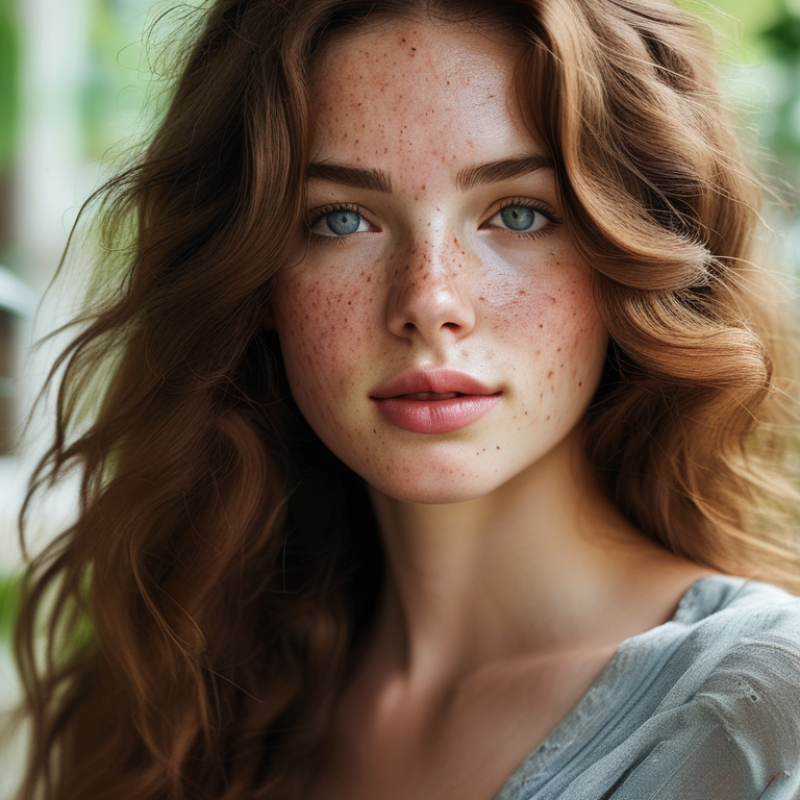
Understanding Hormonal Acne: Causes and Symptoms
Hormonal acne is a common condition that affects many individuals, particularly during puberty, menstruation, or hormonal changes. It typically appears as deep, painful cysts along the jawline, cheeks, and forehead. Understanding its causes can help manage this skin issue. Fluctuating hormone levels, especially androgens, lead to increased oil production. This excess oil can clog pores, trap bacteria, and cause inflammation, leading to breakouts.
Symptoms often include not just the physical appearance of acne, but also emotional distress. Many people feel self-conscious and frustrated. Hormonal acne can be persistent and may not respond well to traditional treatments. This creates a unique challenge. Reflecting on lifestyle factors like diet and stress may help in addressing these underlying issues. Poor eating habits, lack of exercise, and high-stress levels can exacerbate hormonal imbalances. Engaging with these aspects could lead to a better understanding of one's skin and well-being.
Natural Solutions for Treating Hormonal Acne Effectively
This chart demonstrates the effectiveness of various natural solutions for treating hormonal acne based on user-reported outcomes. The solutions include dietary adjustments, herbal treatments, and lifestyle changes.
Natural Remedies for Hormonal Acne: An Overview
Hormonal acne can be a frustrating condition. It often emerges during puberty, menstrual cycles, or due to stress.
Natural remedies may provide effective relief for many individuals.
They can help balance hormones and address inflammation without harsh chemicals.
Herbal treatments like spearmint tea show promise in lowering androgen levels.
Some also find relief with adaptogens, which help the body manage stress.
Using essential oils, such as tea tree oil, may reduce bacteria on the skin's surface.
These remedies are more gentle and could be safer choices for those with sensitive skin.
Dietary changes can also play a crucial role. Incorporating anti-inflammatory foods like berries and leafy greens benefits overall skin health.
Omega-3 fatty acids found in fish or flaxseeds may reduce hormonal fluctuations.
However, it's important to note that not every remedy works for everyone. Individual responses vary, and some may need to experiment with different treatments.
Dietary Changes to Combat Hormonal Acne Effectively
Hormonal acne is often linked to diet and lifestyle choices. The rise of processed foods has been alarming. Studies show that diets high in sugars and dairy can exacerbate acne. A recent survey indicated that 80% of people with acne noticed improvements after dietary changes. Reducing these foods might be a key step in managing hormonal breakouts.
Incorporating more whole foods can make a significant difference. Fresh fruits and vegetables provide essential vitamins. A report from the Journal of Dermatology highlighted that omega-3 fatty acids can reduce inflammation. Fish and flaxseeds are great sources. However, many people struggle with these dietary adjustments. The challenge lies in consistently making healthier choices. Meal planning can help here.
Hydration is equally crucial. Drinking plenty of water helps clear toxins. Many forget this simple yet effective strategy. It’s important to create a sustainable routine. Balancing indulgence with healthy eating requires discipline. Reflecting on personal habits can reveal opportunities for improvement. Making dietary shifts isn't always straightforward, but it's a vital part of treating hormonal acne effectively.
Herbal Treatments and Essential Oils for Acne Relief
Hormonal acne can be frustrating and often resists
conventional treatments. Many individuals seek
natural solutions, like herbal treatments and
essential oils, for relief. Herbal remedies
have been used for centuries. They offer
anti-inflammatory properties
that can calm irritated skin. According to a
study published in the Journal of Dermatological Treatment,
some herbal extracts show promise in managing acne
without side effects.
Tea tree oil is a notable contender in
the world of acne treatment. Research has shown that
it has potent antibacterial properties. A study found
that a 5% tea tree oil gel reduced acne lesions significantly.
Lavender essential oil can also be beneficial. It offers
calming effects and may help reduce inflammation. Moreover,
aloe vera, known for its soothing properties, can hydrate
and heal acne-prone skin. It’s essential to patch test
these oils first to avoid irritation.
Incorporating these natural solutions requires
patience. Results may take longer than
commercial products. It's also important to know that
everyone's skin is unique. What works for one person
may not work for another. Understanding your skin's
needs is vital. Always consult with a healthcare
professional before starting any new regimen, especially
if you have sensitive skin or allergies.
Holistic Approaches: Stress Management and Lifestyle Adjustments
Hormonal acne often requires more than just topical treatments. Managing stress and making lifestyle adjustments are essential for holistic healing. Stress can elevate cortisol levels, triggering breakouts. Focusing on stress relief is crucial for clearer skin.
**Tips:** Try daily meditation. Just five minutes can bring a sense of calm. Regular yoga sessions can also reduce tension and improve skin health. Keep a journal to identify stressors and reflect on your day. This simple act can provide clarity and relief.
Lifestyle choices impact hormone levels. A balanced diet helps regulate hormones. Incorporate more whole foods, such as fruits and vegetables. Stay hydrated to support skin health. Aim for 8-10 glasses of water daily. Sleep is equally important; aim for 7-9 hours of quality rest each night.
**Tips:** Limit caffeine and sugar intake, as they can lead to hormonal imbalances. Consider herbal teas like chamomile to promote relaxation. Evaluate your skincare routine. Use gentle, natural products to avoid irritating your skin. Small changes can have a significant impact over time.
Natural Solutions for Treating Hormonal Acne Effectively
| Approach |
Description |
Effectiveness |
Timeframe for Results |
| Stress Management |
Practicing mindfulness and relaxation techniques such as yoga and meditation to reduce stress levels. |
Moderate |
4-8 weeks |
| Dietary Adjustments |
Incorporating whole foods, reducing sugar and dairy intake, and increasing omega-3 fatty acids. |
High |
6-12 weeks |
| Regular Exercise |
Engaging in physical activity to improve circulation and reduce stress, which can help balance hormones. |
Moderate to High |
4-6 weeks |
| Adequate Sleep |
Ensuring 7-9 hours of quality sleep to help regulate hormones and repair skin cells. |
High |
Immediate improvement, results in 2-4 weeks |
Conclusion
Hormonal acne is a common skin condition primarily driven by hormonal fluctuations, often presenting symptoms like breakouts and inflammation. Understanding the underlying causes is essential for effective treatment. This article explores holistic and natural solutions on how to treat hormonal acne naturally, emphasizing dietary changes, herbal treatments, and essential oils. Emphasizing a balanced diet and stress management techniques can significantly impact skin health.
Incorporating anti-inflammatory foods, reducing sugar intake, and managing stress through mindfulness and lifestyle adjustments can lead to clearer skin. Additionally, certain herbal remedies and essential oils may provide acne relief. By adopting these natural approaches, individuals can find effective, holistic methods to combat hormonal acne while promoting overall well-being.

 Miura Beauty