In 2026, understanding "what does a damaged skin barrier look like" has become crucial. Renowned dermatologist Dr. Emily Tran emphasizes the importance of a healthy skin barrier. She states, "A compromised barrier can lead to visible signs of aging and discomfort."
A damaged skin barrier presents as dryness, redness, and irritation. Individuals may notice increased sensitivity and a dull complexion. Flaking and peeling skin can also appear, indicating a disrupted barrier function. These symptoms reflect an inadequate moisture retention capacity. The skin may feel tight and itchy.
Reflecting on these signs, it’s essential to consider lifestyle and environmental factors. Air pollution and harsh skincare products can contribute to barrier damage. Self-care routines must be re-evaluated frequently. Addressing these issues can prevent long-term skin concerns, enhancing overall skin health and resilience.
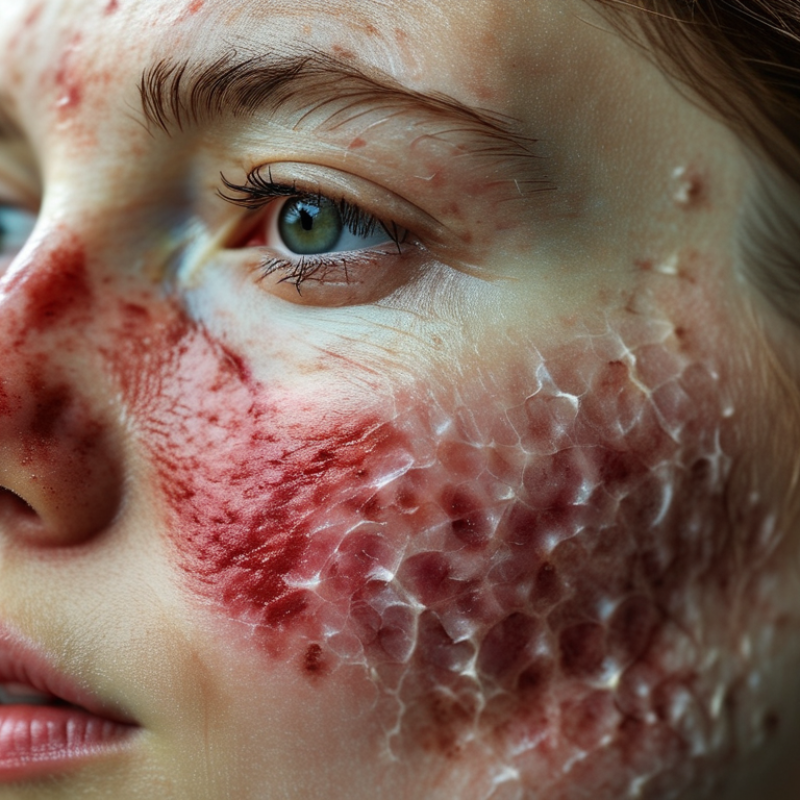
The skin barrier is the outermost layer of the skin, crucial for protection.
It comprises tightly packed cells and lipids. This structure defends against environmental aggressors and retains moisture.
A healthy barrier is vital for overall skin health.
In 2026, a damaged skin barrier may manifest as dryness, redness, or flakiness.
You might notice increased sensitivity. Skin can become prone to irritants and allergens.
The presence of inflammation can point to deeper issues. This reflects how essential a strong barrier is for maintaining skin integrity.
Many factors contribute to barrier damage. Over-exfoliation, harsh weather, and inadequate hydration can all play a role.
It's crucial to listen to your skin's needs. Small lifestyle changes can lead to noticeable improvements.
Balance is key; excessive care may only worsen the situation. Pay attention to the signals your skin sends.
In 2026, identifying a compromised skin barrier has become crucial. Reports indicate that 62% of individuals experience issues related to skin barrier health. Common signs include redness, peeling, and increased sensitivity. A damaged barrier disrupts moisture retention, leading to dryness and irritations. This reflects the growing impact of environmental factors and lifestyle choices on skin health.
Skin conditions such as eczema and rosacea are rising, with studies showing a 40% increase in consultations regarding these issues. People are more susceptible to allergens and irritants. Symptoms can vary from person to person. Some may notice a dull complexion, while others experience persistent itchiness. Both can signal underlying skin barrier concerns.
Tip: To support your skin barrier, choose gentle cleansers. Avoid hot water, which can strip essential oils. Include moisture-rich ingredients like hyaluronic acid in your routine.
Finding balance in skincare is essential. Over-exfoliation or the use of harsh products can worsen existing problems. Observing your skin's response to various products will help in understanding its unique needs.
Tip: Regularly assess your skincare routine. A minimalist approach may help restore your skin's natural defense. Listen to your skin and adjust products accordingly to enhance its health in this ever-changing environment.
In 2026, the appearance of a damaged skin barrier is more prominent than ever. Research indicates that stress, pollution, and excessive screen time contribute significantly to this issue. According to a survey by the American Academy of Dermatology, over 70% of individuals report experiencing skin sensitivity due to environmental factors. The rise in urban living exposes us to more toxins.
Common signs of a compromised skin barrier include redness, dryness, and increased blemishes. The skin may also feel itchy and tight. With these symptoms becoming more frequent, it is essential to recognize the root causes. Overuse of cosmetics and harsh cleansers can strip the skin of its natural oils. Additionally, fluctuating weather patterns create a challenge for maintaining skin health.
**Tip:** Incorporating a gentle, hydrating cleanser can help protect your skin barrier. Look for ingredients like ceramides and hyaluronic acid. These can restore moisture. Also, consider limiting screen time to reduce digital fatigue on your skin. Small changes can lead to noticeable results. Addressing these issues is vital for the well-being of your skin.
As we approach 2026, the impact of environmental factors on skin barrier integrity has become increasingly concerning. Studies show that exposure to pollution can significantly harm skin health. A report by the World Health Organization indicates that 92% of the global population lives in areas with poor air quality. This pollution can lead to increased oxidative stress, resulting in a weakened skin barrier.
UV exposure also plays a crucial role. Research from the Journal of Investigative Dermatology reveals that ultraviolet radiation damages the skin's lipid layer. This lipid layer is essential for maintaining hydration and protection against external aggressors. It's alarming to note that prolonged exposure to these elements can result in visible signs of aging and irritation.
*Tip: Incorporating antioxidants in your skincare routine can help combat oxidative stress. Look for vitamin C and E in your products. These can bolster your skin's defenses.*
Furthermore, climate change exacerbates conditions like extreme temperature fluctuations and humidity, further stressing the skin barrier. A study published in the Skincare Science Journal highlights that such environmental changes can lead to increased skin sensitivity. Social behaviors, like prolonged screen time, also contribute to skin deterioration through blue light exposure.
*Tip: Use a broad-spectrum sunscreen daily, even on cloudy days. This habit can protect your skin from potential UV damage.*
Overall, understanding these factors can empower individuals to make informed choices for healthier skin in an ever-changing environment.
In 2026, a damaged skin barrier manifests as increased redness and dryness. Many people experience flakiness and irritation. The skin feels tight and uncomfortable, often leading to a cycle of over-treatment. This over-treatment can sometimes worsen the condition, highlighting the need for specialized care.
Innovative treatments are emerging. Professionals now recommend personalized skincare routines that focus on restoration rather than aggressive healing. Ingredients like ceramides and fatty acids are crucial. They help to rebuild the barrier while keeping the skin hydrated. Additionally, advanced technologies like microcurrent therapy show promise. This method enhances skin function and promotes healing at a cellular level.
Beyond treatments, education plays a key role. Understanding triggers like environmental stressors and certain products is essential. Striking a balance is necessary, as one person's solution may not work for another. Reflecting on personal skin journeys can reveal patterns. This awareness leads to better choices and improved skin health. Embracing imperfections while seeking solutions allows for a more resilient skin barrier.
: Common signs include redness, peeling, increased sensitivity, and dryness. These indicate issues with moisture retention.
Stress, pollution, and excessive screen time can weaken the skin barrier. Urban living increases exposure to toxins.
Conditions like eczema and rosacea are increasing. Consultations about these problems have risen significantly.
Over-exfoliation can worsen existing skin issues. It disrupts the skin’s natural balance, leading to more sensitivity.
Ingredients like hyaluronic acid, ceramides, and fatty acids are effective. They help restore moisture and rebuild barriers.
Every person's skin is unique. Monitoring reactions helps tailor a suitable skincare routine to enhance health.
Regular assessments can help. A minimalist approach may restore the skin's natural defense without over-treating.
Understanding personal triggers and concerns helps refine skincare decisions. This leads to better overall skin health.
Simple adjustments like limiting screen time or choosing gentle cleansers can yield noticeable improvements.
It's an innovative treatment that enhances skin function. This method promotes healing at a cellular level for better results.
In 2026, understanding what does a damaged skin barrier look like becomes crucial as awareness of skin health continues to grow. A compromised skin barrier may exhibit signs such as redness, irritation, dryness, and increased sensitivity, indicating its inability to protect against environmental stressors. The modern lifestyle contributes to this damage, with factors like pollution, UV exposure, and harsh skincare products exacerbating the issue.
Environmental influences significantly impact skin barrier integrity, making it essential to adopt holistic approaches for protection. Innovative treatments and solutions are being developed to restore skin barrier function, focusing on hydration, nutrition, and barrier-repairing ingredients. By prioritizing skin barrier health, individuals can mitigate damage and promote overall skin resilience in the face of modern challenges.
