China Best Hyaluronic Acid What Does It Do for Skin?

Time:2026-10-05 Author:Ethan
0%

What does hyaluronic acid do for skin? This question sits at the center of China’s rapidly expanding skincare ingredient market. Hyaluronic acid is a humectant, meaning it attracts and holds water near the skin’s surface. It can make dry skin feel softer, smoother, and temporarily more comfortable. Fine dehydration lines may also look less visible. The effect is real, but it is not permanent.

Market evidence shows strong commercial interest. Grand View Research estimated the global hyaluronic acid market at approximately USD 10.7 billion in 2023, with continued growth expected through 2030. That figure covers several industries, not skincare alone. Still, it reflects rising demand for moisture-focused ingredients. China’s best suppliers should therefore be judged beyond price. Check molecular-weight information, ingredient purity, stability testing, microbiological control, and documented manufacturing standards such as ISO 22716.

Dermatologist Dr. Shilpi Khetarpal explains, “Hyaluronic acid is a sugar molecule that naturally occurs in the body, including the skin.” Her statement helps clarify an important point: topical hyaluronic acid supports surface hydration, but it does not replace the skin barrier. A product may feel impressive on the first application. It may perform poorly in dry air without an occlusive moisturizer. Small details matter, such as applying it to slightly damp skin and sealing it afterward. Even “best” is an unfinished claim. Results depend on concentration, molecular size, formula design, climate, and individual skin condition. This article examines what China-sourced hyaluronic acid can realistically do for skin, using formulation evidence, professional guidance, and measurable quality considerations rather than marketing promises.
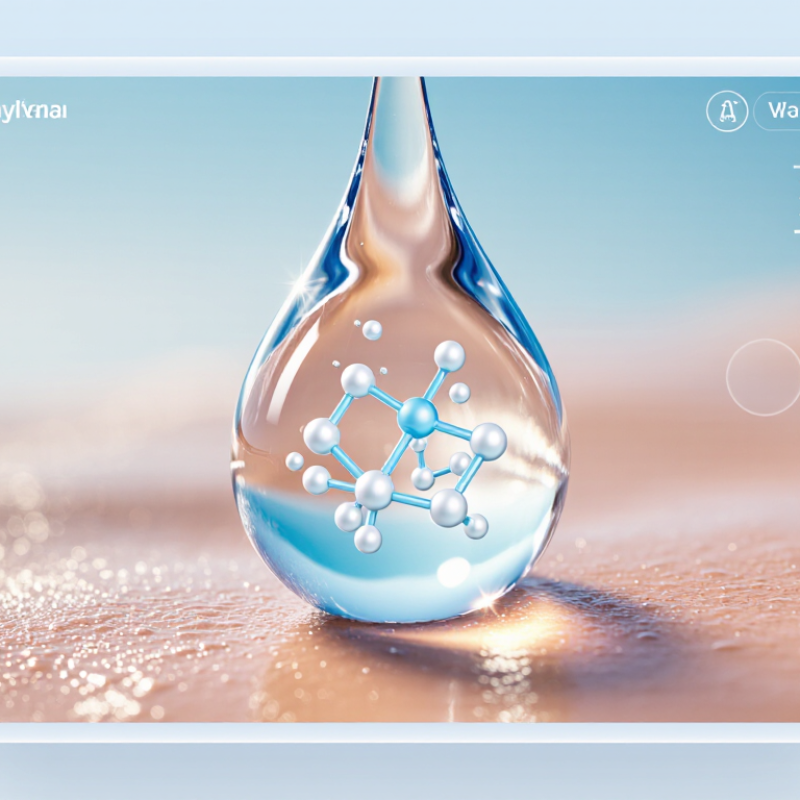
China Best Hyaluronic Acid What Does It Do for Skin?

What Is Hyaluronic Acid and How Does It Work?

Hyaluronic acid is a naturally occurring sugar molecule found in skin, joints, and connective tissue. Despite its name, it is not an exfoliating acid. It works mainly as a humectant, attracting and holding water near the skin’s surface. This can make dry skin feel softer, smoother, and less tight. The effect is temporary.

Small detail.

When applied in a serum or cream, hyaluronic acid forms a light, moisture-supporting layer. Larger molecules usually remain closer to the surface. Smaller molecules may move deeper into the outer skin layers, although they do not travel endlessly through the skin. Moisture works better when a cream seals it in. Applying the product to slightly damp skin can help, but it is not a guaranteed rule.

I once assumed that a stronger formula would always hydrate better. That assumption was too simple. Concentration, molecular size, preservatives, and the rest of the formula also matter. A reliable product should clearly list its ingredients and provide appropriate quality testing. When comparing China-made hyaluronic acid products, manufacturing controls matter more than a sales claim about being “best.” Dry climates can increase water loss, especially when indoor heating is used. People with sensitive skin may notice stinging from the complete formula, not necessarily from hyaluronic acid itself. Patch testing is a sensible step. Skin care is rarely perfect.

How Does Hyaluronic Acid Benefit Different Skin Types?

China Best Hyaluronic Acid What Does It Do for Skin?

Hyaluronic acid is a water-binding substance found naturally in human skin. Applied topically, it helps attract moisture to the outer skin layers. This can make dry lines look softer and skin feel more flexible. It is not a replacement for ceramides, oils, or sunscreen. Skin needs more than water.

Dry skin often benefits from applying hyaluronic acid to slightly damp skin. Follow with a cream to reduce water loss. In heated rooms or dry climates, using it alone may feel tight. That result can be disappointing. Sensitive skin may tolerate simple, fragrance-free formulas better. Patch testing remains sensible, especially when the skin barrier feels rough, itchy, or irritated.

Oily and acne-prone skin can also use hyaluronic acid. A lightweight gel may add hydration without a heavy, greasy finish. However, the entire formula matters; added oils or fragrances may cause problems for some users. Combination skin can receive more product on dry cheeks and less on the forehead. Mature skin may look temporarily smoother because hydrated skin reflects light better. The effect is supportive, not a permanent correction. Professional skincare advice should consider climate, medications, allergies, and existing skin conditions.

What Makes a High-Quality Chinese Hyaluronic Acid Product?

A high-quality Chinese hyaluronic acid product begins with transparent sourcing and controlled production. The country of origin alone proves little. A reliable manufacturer should provide batch records, ingredient specifications, and test results from qualified laboratories. Look for clear INCI naming, such as hyaluronic acid or sodium hyaluronate, rather than vague “moisture complex” claims. Molecular weight also matters. Smaller molecules may feel lighter, while larger ones often form a comfortable surface film. The best formula usually balances several sizes.

Quality appears in small details. The powder should be protected from humidity, because moisture can affect stability and handling. Finished products need microbial, purity, heavy metal, and endotoxin testing when appropriate for their use. A certificate of analysis should match the exact batch, not a generic sample. GMP-based procedures, sealed packaging, and traceable production dates add practical confidence. Still, paperwork is not everything. Some documents look polished but provide little usable data. That deserves scrutiny.

Tips: Check the manufacturing address, batch number, storage instructions, and testing date. Ask whether the product is intended for topical, oral, or professional use. Never assume a higher concentration guarantees better skin results. A formula that feels sticky may simply be poorly balanced. Patch testing is sensible, especially for sensitive skin. Listen to the skin. It can react differently in dry winter air, humid weather, or after cleansing.

How to Choose and Use Hyaluronic Acid for Skin

Choosing the best hyaluronic acid from China starts with evidence, not attractive packaging. Check the full ingredient list, product purpose, expiry date, and batch details. A reliable formula usually identifies hyaluronic acid or sodium hyaluronate clearly. Independent testing for purity and microbial safety adds confidence. A low price is not proof of poor quality, and a high price is not proof of better performance.

I used to think a higher percentage always meant stronger hydration. That assumption was too simple. Molecular size, formula balance, and skin condition also matter. For dry or sensitive skin, choose a fragrance-free product with limited irritants. Apply a small amount to slightly damp skin after cleansing. Then use a moisturizer to reduce water loss. Otherwise, the surface may feel tight, especially in dry indoor air.

Use less than you expect. Two or three drops are often enough for the face. Patch test near the jaw for two days before regular use. Stop if burning, swelling, or persistent redness appears. Results should feel comfortable, not dramatic overnight. I sometimes apply too many layers, and pilling follows. That is a useful reminder: more product does not automatically mean more hydration. A dermatologist can help when dryness comes with cracking, rash, or ongoing irritation.

China Best Hyaluronic Acid: What Does It Do for Skin?

Molecular-weight ranges help explain how different hyaluronic acid sizes are commonly used in skincare.

Hyaluronic acid is a water-binding molecule naturally found in the skin. In topical products, higher-molecular-weight forms tend to remain closer to the skin surface and help form a moisturizing film, while lower-molecular-weight forms are designed to move more easily into superficial skin layers. Molecular weight alone does not determine product performance; concentration, formulation, skin condition, and usage frequency also matter.

Apply hyaluronic acid to slightly damp skin and follow with a moisturizer to help reduce water loss. If dryness or irritation occurs, reduce usage and choose a simpler formula.

Approximate molecular-weight bands are based on commonly used dermatology and cosmetic-science classifications. References: PubMed review and NCBI overview.

What Safety Issues and Limitations Should You Consider?

China’s best hyaluronic acid is not automatically the safest choice for every skin type. Hyaluronic acid attracts water and can soften the look of dryness, fine lines, and rough texture. That sounds simple. It is not a permanent repair.

For topical products, check the full ingredient list, manufacturing details, expiry date, and storage instructions. A product made in China may be well tested, but quality depends on the manufacturer and intended market. Look for clear batch information and appropriate safety testing. Patch-test a small area near the jaw for 24 hours. Stop using it if burning, swelling, or persistent redness appears. My own mistake was applying a highly concentrated serum onto dry skin without a moisturizer. It felt tight instead of comfortable.

Hyaluronic acid can also irritate sensitive skin when combined with fragrance, strong acids, or retinoids. In a dry room, it may not feel hydrating without a cream or other barrier-supporting layer. Results vary with molecular size, formula, climate, and skin condition. Injectable hyaluronic acid is different from a serum. It requires a qualified medical professional because swelling, infection, vascular complications, and uneven results are possible. Do not treat online reviews as medical evidence. A dermatologist can assess allergies, active dermatitis, and realistic expectations before use.

FAQS

What does hyaluronic acid do for dry skin?

It attracts water to the skin’s outer layers. Dry lines may look softer, and skin can feel more flexible. Apply it to slightly damp skin, then use a cream. Water alone may evaporate quickly in heated rooms. That can feel tight.

Can oily or acne-prone skin use hyaluronic acid?

Yes, especially in a lightweight gel. It can add hydration without a greasy finish. Check the complete formula, not only the main ingredient. Added oils or fragrance may bother some users. A light texture is not automatically better.

How should combination skin use hyaluronic acid?

Apply more product to dry cheeks and less to the forehead. This avoids making already-oily areas feel heavy. Use a small amount first. Skin needs may change with weather, cleansing, and daily habits.

Is hyaluronic acid suitable for sensitive skin?

Sensitive skin may tolerate simple, fragrance-free formulas more easily. Patch-test near the jaw for 24 hours before wider use. Stop if burning, swelling, or lasting redness develops. Patch test first. A rough barrier needs extra care.

Does hyaluronic acid permanently reduce wrinkles?

No. Hydrated skin can temporarily look smoother because it reflects light more evenly. The effect supports appearance rather than permanently correcting wrinkles. Expectations should stay realistic. I once expected too much from one serum.

How can consumers judge product quality?

Look for clear ingredient names, batch records, test results, and traceable production dates. The certificate should match the exact batch. Check the manufacturing address, storage instructions, and expiry date. Attractive paperwork is not enough. Details matter.

Does molecular weight affect performance?

Yes, molecular size can change texture and surface feel. Smaller molecules may feel lighter, while larger ones can form a comfortable surface film. Well-balanced formulas may combine several sizes. More concentration does not guarantee better results.

What safety limits should users remember?

Topical products are different from injectable treatments. Injectable use requires a qualified medical professional because serious complications are possible. Avoid treating online reviews as medical evidence. Consider allergies, medications, climate, and existing skin conditions. Ask a dermatologist when uncertain.

Conclusion

Hyaluronic acid is a naturally occurring substance that attracts and holds water, helping the skin maintain hydration, softness, and a smoother appearance. So, what does hyaluronic acid do for skin? It supports the skin’s moisture barrier, reduces the feeling of dryness, and can make fine lines appear less noticeable when the skin is properly hydrated. Different skin types may benefit from different formulas: lightweight products suit oily or combination skin, while richer textures may be more comfortable for dry or mature skin.

A high-quality Chinese hyaluronic acid product should use clearly identified ingredients, stable formulation technology, suitable molecular sizes, and reliable quality-control procedures. To use it effectively, apply the product to slightly damp skin and follow with a moisturizer to help retain hydration. Although generally well tolerated, hyaluronic acid may not suit everyone, especially when combined with irritating ingredients or applied to damaged skin. Always check the full ingredient list, perform a patch test, follow usage instructions, and stop using the product if discomfort or an unusual reaction occurs.

Ethan

Ethan

Ethan is a seasoned marketing professional with a deep expertise in our company's innovative product line. With a passion for sharing knowledge and insights, he takes the lead in regularly updating our corporate blog, where he explores industry trends, product features, and effective marketing......